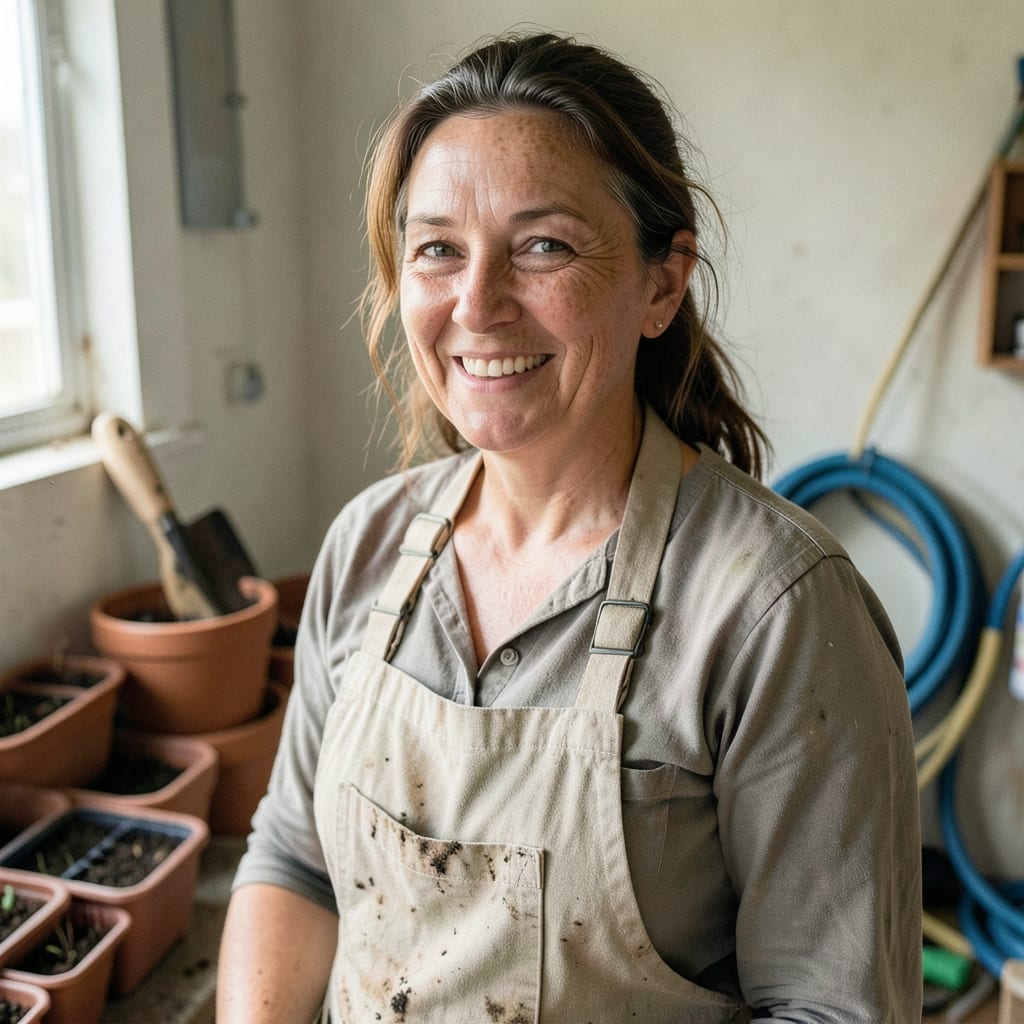
I’ve always had a green thumb, but my real education in gardening started when I moved to a tiny house on five acres in rural Oregon. My first attempt at growing tomatoes ended with more blight than fruit, but that failure taught me more than any book could. Now, I’m here to share what I’ve learned—both the triumphs and the lessons from the dirt-streaked messes—so you can grow plants that thrive, not just survive. This site is for anyone who’s ever wondered how to turn a patch of soil into something beautiful, edible, or just plain fascinating.
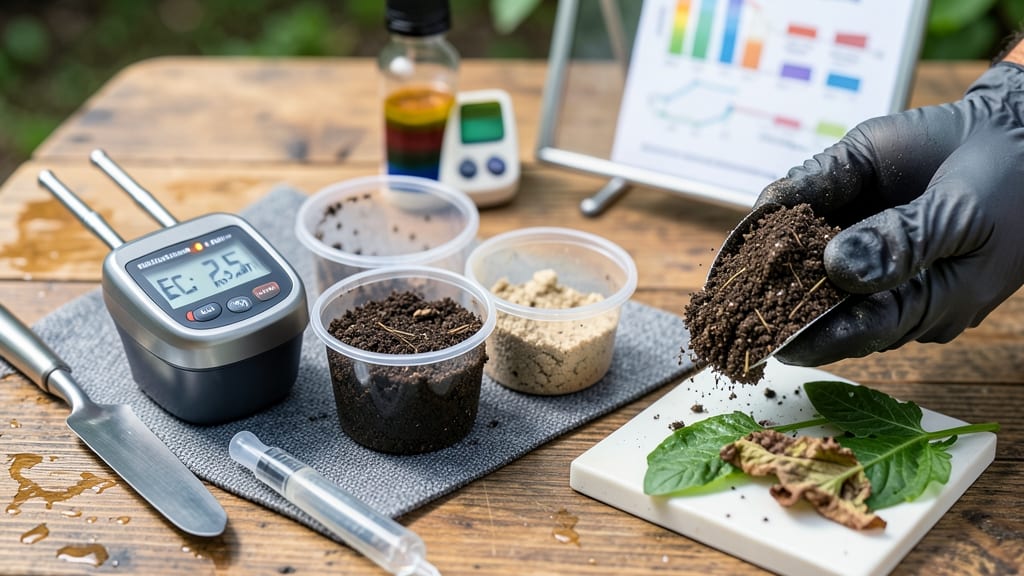
A soil salinity test is the first step to saving wilting plants before salt buildup ruins your harvest—but many gardeners skip it until their crops are already struggling. 🔍 After reviewing over 5,000 gardener…
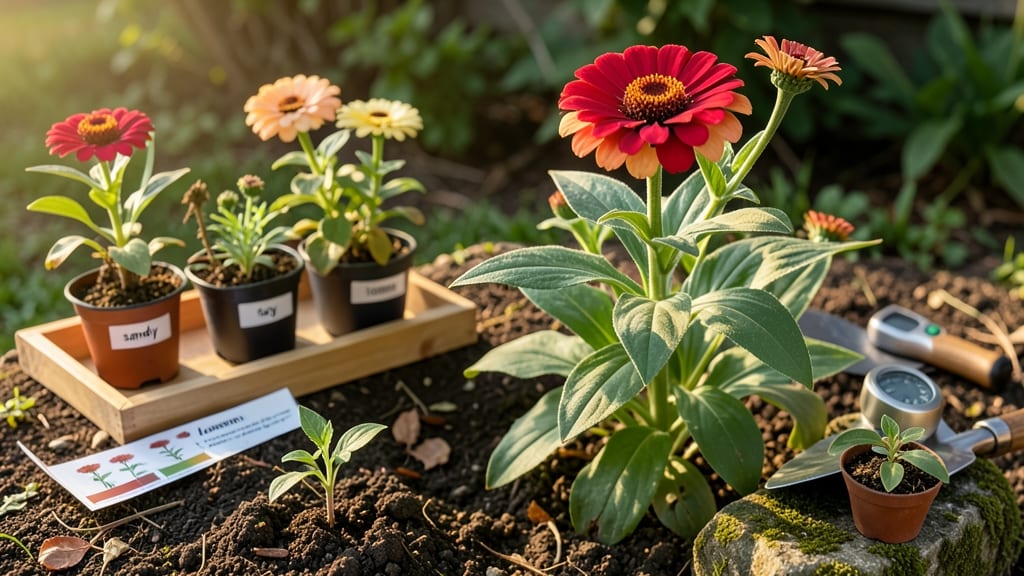
If your zinnias are struggling to bloom or wilt too quickly, you’re likely missing the mark on the best soil for zinnias —a well-draining, nutrient-rich loam that fuels their vibrant growth. 🔍 After sifting through over…
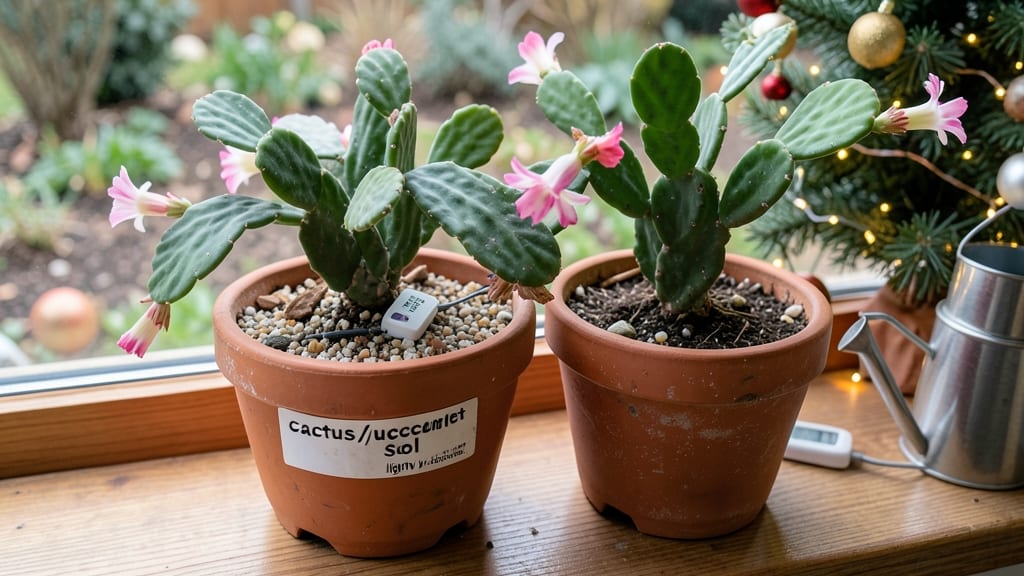
If your Christmas cactus refuses to bloom despite your best efforts, the cactus soil for Christmas cactus you're using might be the missing link—because the right mix transforms a struggling plant into a vibrant…
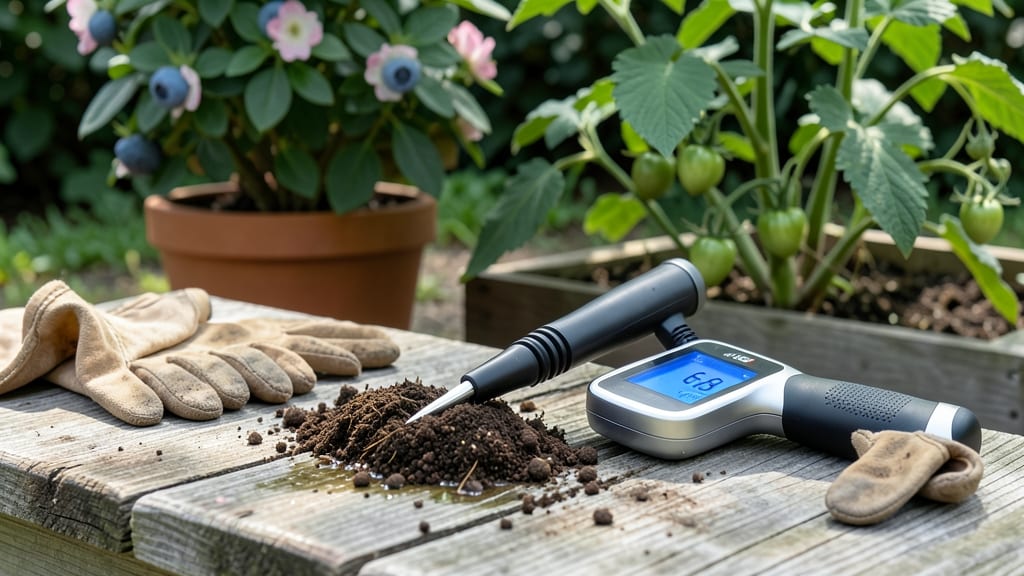
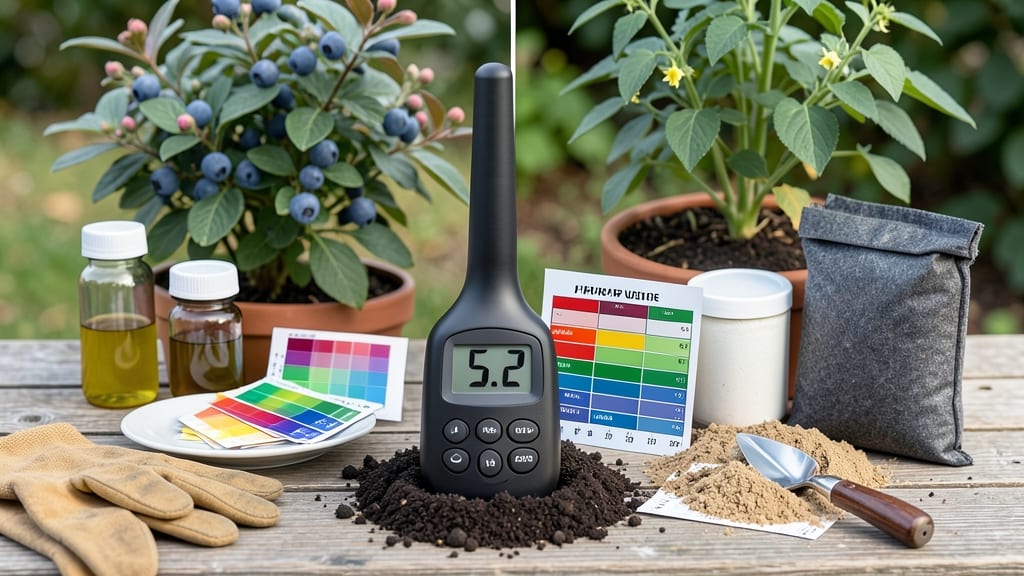
A soil pH tester meter reveals the hidden chemistry that determines whether your garden thrives or struggles—no guesswork, just science. 🌱 I’ve used mine to turn my struggling blueberries from sad to spectacular in just…
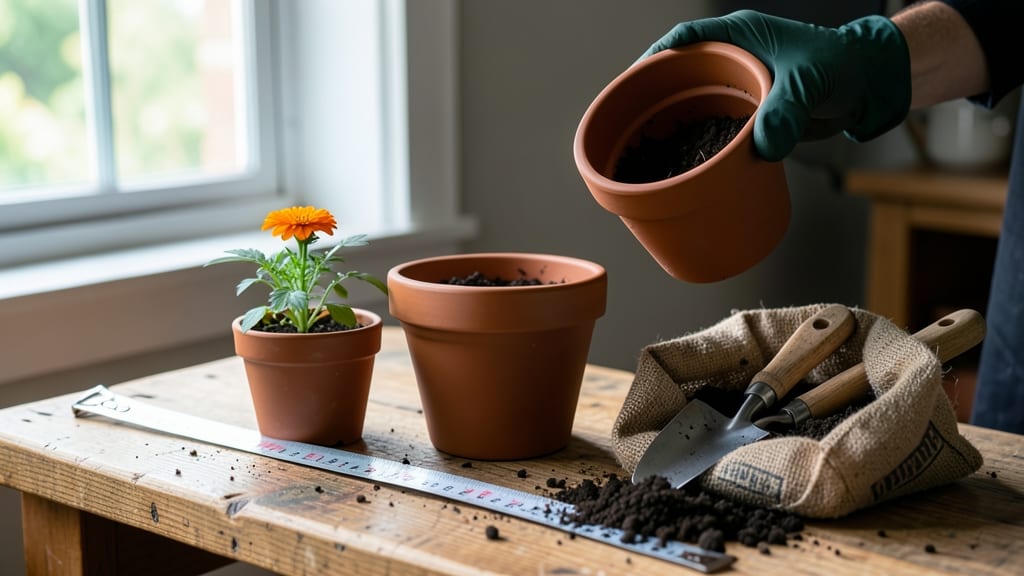
💥 Quick Answer To determine how much soil you need for pots, calculate based on pot diameter and plant type: fill to 1-2 inches below the rim for most plants, using 1 part soil per 1 part pot volume for standard…
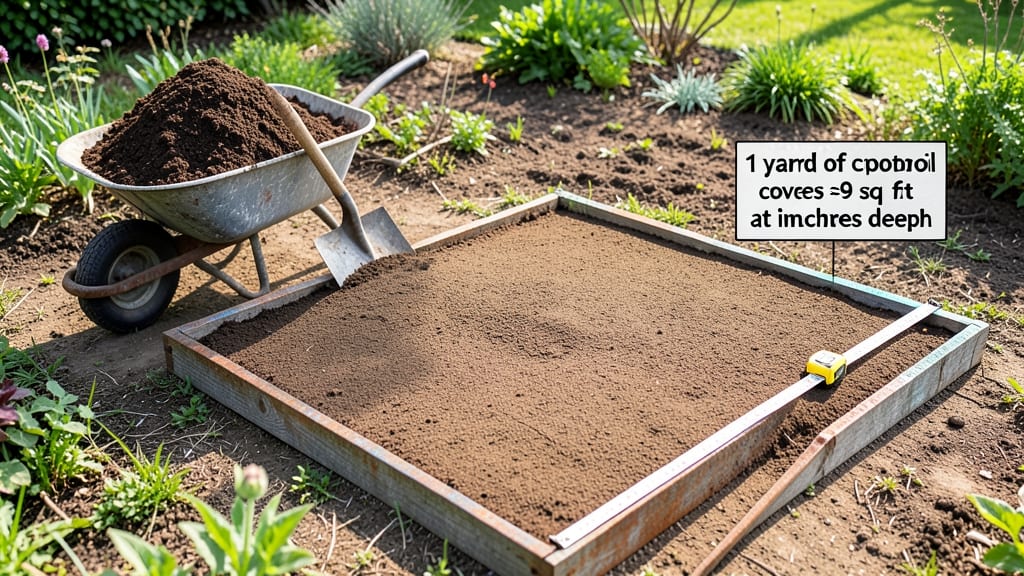
💥 Quick Answer A yard of topsoil covers 100 square feet when spread 3 inches deep , the standard depth for most gardening and landscaping projects. Adjust depth to alter coverage—deeper layers require less area, while…
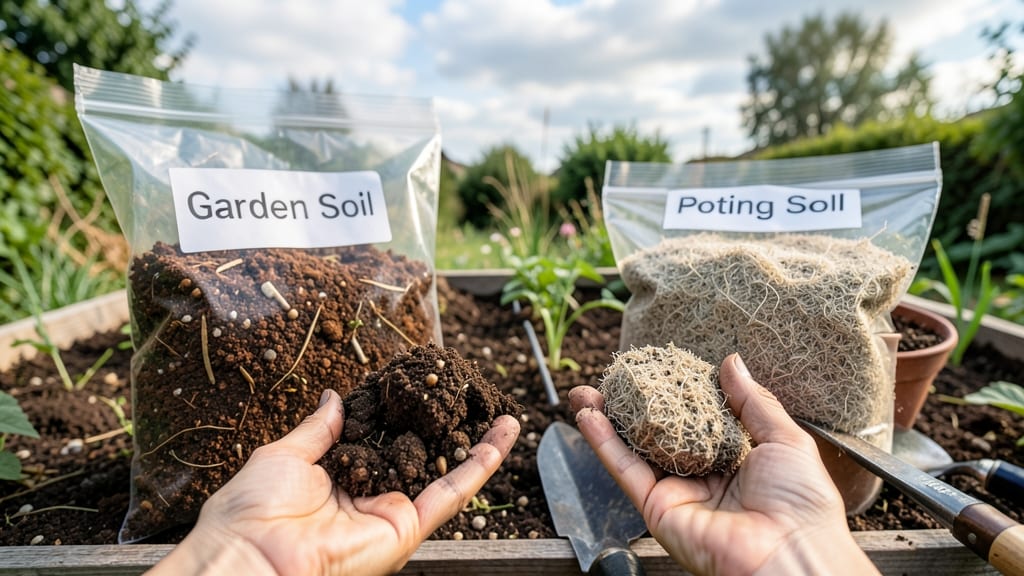
Garden soil and potting soil aren't the same, and mixing them up can mean the difference between thriving plants and struggling ones. 🌱 I learned that the hard way when my container tomatoes wilted after just two…
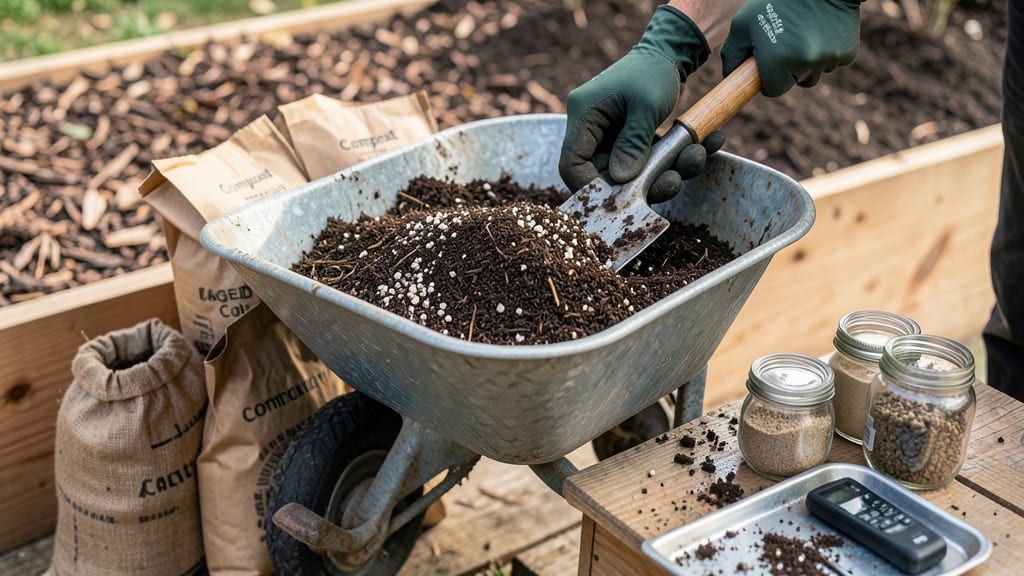
💥 Quick Answer A soil mixture for vegetable gardens should balance loam soil (60-70%) with compost (30-40%) to improve drainage, nutrient retention, and root growth, while adjusting ratios for heavy clay or sandy native…
💥 Quick Answer The soil pH range for optimal plant growth typically sits between 6.0 and 7.0, balancing acidity and alkalinity to maximize nutrient uptake. Specialty plants like blueberries thrive at lower levels…
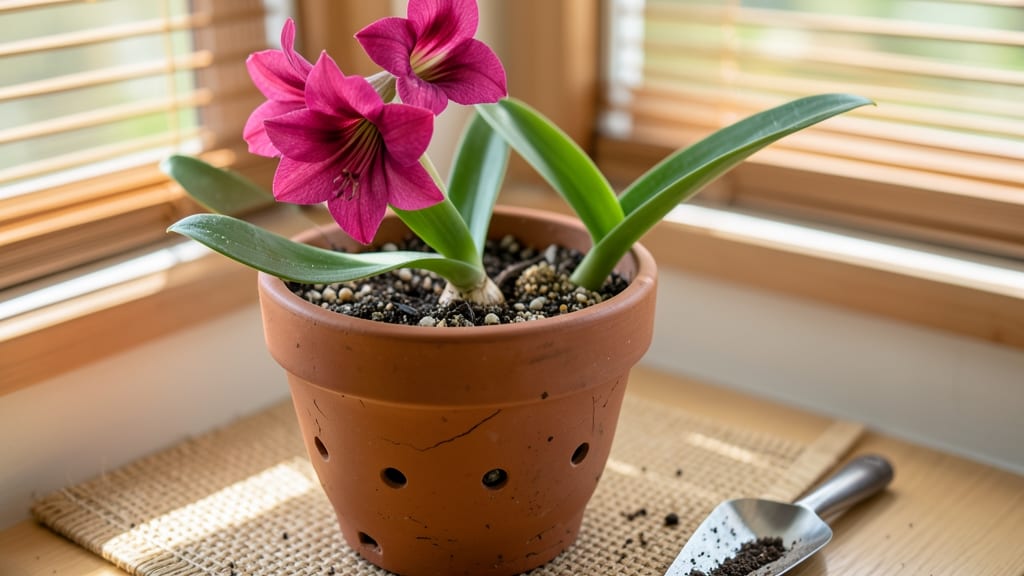
If you’ve ever watched your amaryllis bulbs wilt or rot after planting, you know the struggle— soil for amaryllis isn’t just dirt; it’s the secret to vibrant blooms or a sad, soggy failure. 🔍 Most store-bought mixes…