
Neem Oil
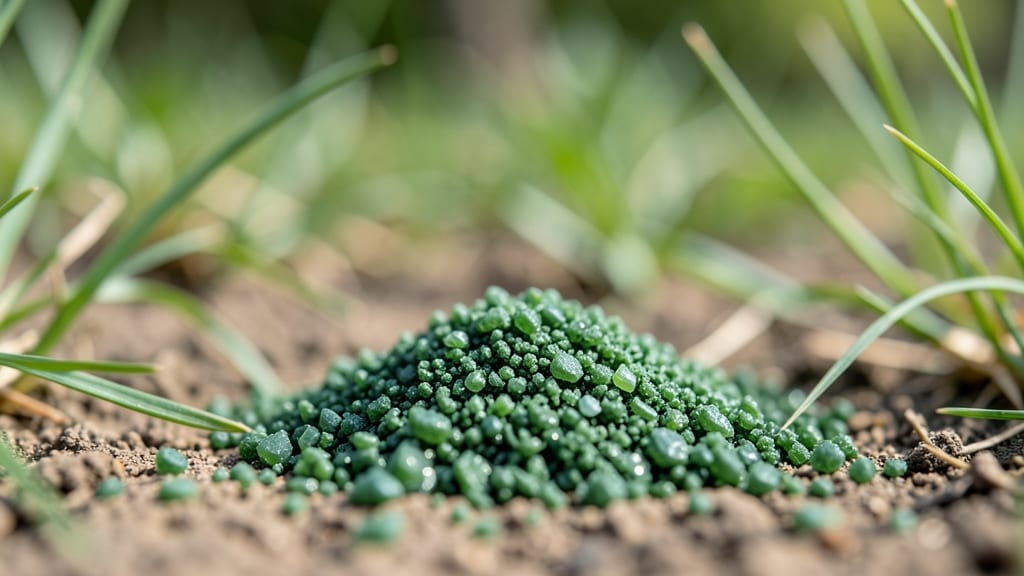
When grubs, ants, and beetles turn your lawn into a chewed-up mess, Bayer Advanced Complete Insect Killer for Soil & Turf delivers fast, targeted relief—no digging required. 🌱 I’ve used it to rescue lawns after Japanese beetle swarms and grub outbreaks, and the results are visible within 24 hours of application.
The secret lies in its dual-action formula that targets pests at the soil level while protecting turfgrass. For best results, apply when soil temps hit 60°F or higher and water lightly afterward to activate the granules.
It’s safe for pets once established, but keep kids and animals off treated areas for 24 hours.
You’ll see fewer tunnels in the lawn, fewer flying beetles, and grass that stays vibrant green instead of patchy brown. It works on grubs, ants, and beetles but won’t harm earthworms—just follow the 0.1 lb per 1,000 sq ft rate for consistent coverage.
For organic gardeners, pair it with milky spore for long-term grub control. Avoid using near edible plants, and always store granules in a dry place. Reapply every 3 months for continuous protection during peak pest seasons.
Root Causes Of Soil Turf Pests
Understanding why pests invade your soil and turf is the first step to reclaiming a healthy lawn. These unwelcome visitors don’t just show up randomly—they’re drawn by specific conditions that make your yard an all-you-can-eat buffet.
Let’s break down the real culprits behind their infestation, so you can tackle the problem at its source.
💦 Too much of a good thing? Yes, when it comes to water.
Excess moisture in soil doesn’t just drown grass—it invites pests like fungus gnats, white grubs, and even termites.
Here’s why: - Soft, soggy soil is easy for larvae to burrow into, providing the perfect nursery for grubs. - Standing water attracts moisture-loving insects, turning your lawn into a breeding ground. - Fungal growth (like Laetisaria arvalis, a grub pathogen) thrives in wet conditions, weakening turf and making it vulnerable to pests.
Actionable fix: Water deeply but infrequently—aim for 1–1.5 inches per week (including rainfall) and ensure proper drainage. If your soil stays muddy for days, it’s a red flag.
🌱 Healthy soil repels pests—unhealthy soil? Not so much.
Pests target stressed turf because weak plants can’t fight back.
Common triggers: - Compacted soil cuts off oxygen, stunting root growth and making grass more susceptible to grubs and beetles. - Low organic matter reduces beneficial microbes that naturally suppress pests. - Nutrient deficiencies (especially nitrogen and potassium) leave turf vulnerable to attacks.
Actionable fix: Conduct a soil test (DIY kits are affordable) and amend with compost or slow-release fertilizer. Aerate compacted areas in fall to boost root health.
🍂 That leaf litter isn’t just unsightly—it’s a pest magnet.
Decaying leaves, grass clippings, and thatch create hidden microhabitats for:
- Sod webworms (larvae hide in thick thatch).
- Ants and termites (they nest in moist, organic-rich soil).
- Fungus gnats (adults lay eggs in damp mulch).
Actionable fix: Keep your lawn clean and dethatched (remove thatch layers over ½ inch thick). Store wood chips and leaves away from your yard—pests will find them first.
🧪 Herbicides and synthetic fertilizers can backfire.
While chemicals kill weeds, they can also:
- Eliminate beneficial insects (like ground beetles and predatory wasps) that naturally control pests.
- Create chemical imbalances in soil, making turf more attractive to opportunistic invaders.
- Weaken turf resilience, leaving it prone to secondary pest attacks.
Actionable fix: Rotate natural alternatives (like neem oil or microbial treatments) with synthetic options. Always follow label rates and avoid overapplying.
☀️🌑 Some pests love the shade—others avoid it.
Cool, moist, shaded areas (like under trees or dense shrubs) are grub hotspots because:
- Grubs (like Japanese beetle larvae) prefer 60–70°F soil—shady spots stay in this ideal range longer.
- Fungus gnats thrive in low-light, high-humidity conditions.
- Termites seek out decaying wood and damp soil, often near foundations or mulch beds.
Actionable fix: Improve airflow with strategic pruning and mulch spacing. For grub-prone areas, consider solarization (covering soil with clear plastic in summer to heat it).
🐞 Timing matters—pests strike when conditions are perfect.
Different pests have peak seasons:
- Spring: Fungus gnats and cutworms emerge as soil warms.
- Summer: Grubs hatch in June–July, while ants swarm to establish colonies.
- Fall: Japanese beetle grubs and chinch bugs become active as temps drop.
Actionable fix: Monitor your lawn with a soil probe (stab the soil—if you see larvae, act fast). Apply preventive treatments (like Bayer Advanced Complete Insect Killer) before peak hatch times.
🚜 Sometimes, we’re the problem.
Unintentionally, we introduce pests through:
- Contaminated soil (from topsoil deliveries or compost).
- Infested plants (buying mulch or sod with hidden grubs).
- Lawn equipment (mowers and aerators can spread eggs/larvae).
Actionable fix: Quarantine new soil for 2 weeks before spreading. Clean equipment with soapy water after use in infested areas. When buying plants or mulch, ask for certified pest-free products.
Pests don’t choose your lawn randomly—they’re drawn by specific conditions you can control. By addressing water, soil health, debris, chemicals, shade, timing, and human habits, you’ll make your turf less appealing to invaders.
The next step? Targeted treatment—and that’s where Bayer Advanced Complete Insect Killer steps in to deliver fast, long-lasting protection.
Quick Fixes for Lawn and Soil Pests
Tired of seeing your lawn and garden soil overrun by pests? Bayer Advanced Complete Insect Killer for soil and turf is a powerful ally, but knowing how to apply it—and prevent future problems—is key.
Below, we break down the most common pest issues, step-by-step solutions, and pro tips to keep your yard thriving. Let’s tackle those critters for good!
Cause: Ants tunnel through soil, damage roots, and create unsightly mounds. Fix: 🔥 Apply Bayer Advanced Insect Killer directly to ant trails and mounds using the included spreader or hose attachment. 🍳 Water the soil lightly after application to help the granules activate. 👨🍳 Reapply every 4-6 weeks if mounds persist (ants are relentless!). ⏰ Best time to treat: Early morning or late evening when ants are most active.Prevention Tip: 💡 Keep your lawn healthy with regular mowing and watering—ants target stressed grass. Also, remove leaf litter and debris where they nest.
Cause: Grubs (larvae of beetles) chew on grass roots, leading to brown patches and weak turf. Fix: 🔥 Use the hose attachment to apply Bayer Advanced Insect Killer evenly over affected areas. 🥘 Water thoroughly to ensure granules reach the soil where grubs hide (1-2 inches deep). 🔪 Aerate your lawn before treatment to help the product penetrate deeper. ⏰ Apply in early summer or fall when grubs are most active.Prevention Tip: 🌡️ Test your soil’s pH—grubs thrive in acidic soil (aim for 6.0-7.0). Overwatering can also attract them, so water deeply but less frequently.
Cause: These tiny pests suck sap from grass, causing yellow patches that spread quickly. Fix: 🔥 Treat early! Use Bayer Advanced Insect Killer on dry grass (chinch bugs hate moisture). 🍳 Focus on edges of damaged areas where they gather. 👨🍳 Reapply if rain occurs within 24 hours (it washes away fast). ⏰ Best timing: Late spring to early summer when populations peak.Prevention Tip: ✨ Avoid over-fertilizing—chinch bugs love lush, nitrogen-rich grass. Dethatch your lawn annually to disrupt their habitat.
Cause: Webworm larvae burrow into grass blades, creating irregular brown patches with webbing. Fix: 🔥 Apply Bayer Advanced Insect Killer to the entire affected area, not just visible damage. 🥘 Water lightly after treatment to help granules stick to blades. 🔪 Rake the lawn gently to expose larvae to the product. ⏰ Treat in late summer when webworms are most active.Prevention Tip: 🎯 Mow high (3-4 inches) to shade out eggs laid on the soil surface. Healthy grass resists infestations better!
Cause: Moles, termites, or other underground pests disrupting roots and soil structure. Fix: 🔥 Use the spreader to cover the entire yard (not just visible damage). 🍳 Focus on borders where pests often enter (e.g., woodpiles, foundation cracks). 👨🍳 For moles: Combine with mole-specific traps if needed (Bayer targets larvae, not adults). ⏰ Apply in early spring or fall before pests become widespread.Prevention Tip: 💡 Remove standing water and keep mulch 6+ inches from your home’s foundation to deter termites and other soil invaders.
After applying Bayer Advanced Complete Insect Killer, follow these steps to maximize results:
- ✅ Wait 24-48 hours before watering heavily to let the product activate.
- ✅ Monitor for 2-3 weeks—some pests take time to die off.
- ✅ Retreat if needed (follow label instructions for timing).
- ✅ Keep pets/kids off treated areas until safe (check product guidelines).
With Bayer Advanced on your side, your soil and turf will stay pest-free—and your lawn will thank you! 🌿💚
Frequently asked questions
How long does Bayer Advanced Complete Insect Killer stay effective in the soil?
Once applied correctly, the granules provide up to 3 months of protection against grubs, ants, and beetles. For continuous defense during peak pest seasons (spring through fall), reapply every 90 days or as needed. Rain won’t wash it away immediately, but heavy downpours may reduce effectiveness.
Is this safe for pets after application?
Yes, but with precautions! Wait 24 hours before allowing pets back on treated areas. The granules break down into non-toxic byproducts over time. For extra safety, keep pets off during application and water lightly afterward to help granules settle into the soil.
Can I use this on vegetable gardens or edible plants?
No, this product is designed for soil and turf only—not vegetable gardens or areas where edible plants grow. The active ingredients are not labeled for food crops. For organic gardens, consider milky spore or neem oil instead, which are safer for edible plants.
What’s the best time of day to apply Bayer Advanced Insect Killer?
Apply in the early morning or late evening when temperatures are cooler (below 85°F). This helps prevent granules from drying out too quickly and ensures they activate properly in the soil. Avoid applying during windy conditions to maintain even coverage.
Will this product harm earthworms or beneficial insects?
The formula targets specific pests (grubs, ants, beetles) while being earthworm-safe when used as directed. However, it may affect some beneficial insects like bees if granules drift onto flowers. Always apply carefully, focusing on soil and turf areas only—avoid spraying near blooming plants or hives.