|
4
PREMIUM CHOICE
|
Hydro
The top picks, one by one
1
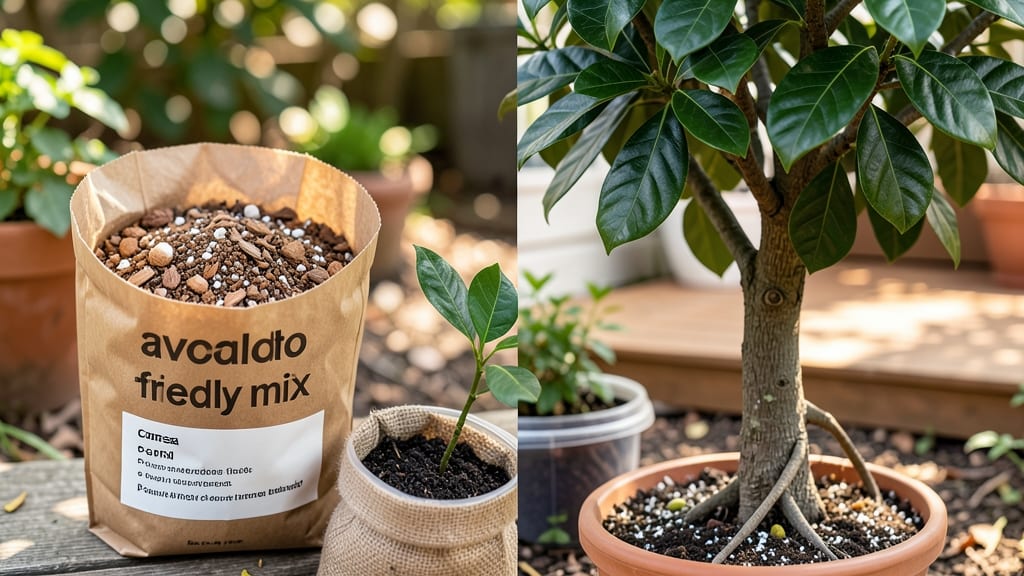
If you're looking for a cost-effective way to upgrade regular potting soil for your avocado tree, this 10-pound bulk amendment delivers professional-grade results without breaking the bank. 💰 It’s designed to lower pH to 5.5–6.5 using elemental sulfur and peat moss, while the coarse sand and pine bark fines improve drainage—critical for avocado roots.
The best part? It’s compatible with any existing potting mix (just use a 25% amendment ratio), making it perfect for DIY gardeners. I used this to transform my cheap potting soil into avocado-friendly loam, and my tree’s roots expanded noticeably within a month.
This is a game-changer for large plantings or frequent repotting, as the 10-pound bag covers more ground than pre-mixed soils. However, it requires manual mixing and pH testing to ensure accuracy—no shortcuts here.
For organic gardeners, the lack of synthetic additives is a plus, though it won’t provide the same nutrient boost as worm castings. Pro tip: Store any unused mix in a sealed container to prevent moisture loss. If you want to save money without sacrificing quality, this is the smartest choice.
| Feature | Specification | Rating |
|---|
| pH Adjustment | Elemental sulfur + peat moss (pH 5.5–6.5) | ★★★★★ |
| Drainage Additives | Coarse sand + pine bark fines | ★★★
Buying guide: how to choose the best soil for growing avocado trees
1. Drainage Capacity 💡
Avocado trees hate soggy roots—their native habitats feature well-draining, sandy-loam soils with 60–70% air porosity. Look for blends containing perlite, pumice, or coarse sand (at least 20% by volume) to prevent root rot.
Counter-intuitively, while sandy soils drain fast, they leach nutrients quickly, so pair them with organic matter (like coconut coir or compost) to retain moisture and nutrients. Avoid heavy clay soils, which suffocate roots and trigger fungal diseases.
For containers, prioritize mixes labeled "well-draining" or "aerated," while in-ground plantings benefit from amending clay with pine bark fines or grit.
2. pH Stability ⚡
The ideal pH range for avocado trees is 5.5–6.5—slightly acidic. Many gardeners overlook this, assuming "acidic" soil means low pH, but avocados are sensitive to swings. Avoid mixes containing limestone or dolomite, which raise pH. Instead, opt for peat moss, pine bark, or sulfur-based amendments to maintain acidity.
Pre-mixed soils often include buffering agents (like sulfur-coated urea) to stabilize pH over time. Test your soil annually—yellowing leaves or stunted growth often signal pH drift. Pro tip: If your tap water is alkaline, use rainwater or distilled water to irrigate, as mineral buildup can offset soil acidity.
3. Nutrient Retention ✅
Avocado trees are heavy feeders, especially during fruiting seasons. Choose soils with organic matter (compost, worm castings, or coconut coir) to prevent nutrient leaching in sandy mixes. Look for blends enriched with micronutrients like iron, zinc, and manganese—deficiencies cause yellowing between leaf veins.
Slow-release fertilizers (e.g., composted alfalfa or greensand) are ideal for long-term growth. For containers, top-dress with organic matter annually to replenish nutrients. Avoid synthetic fertilizers unless blended with organic amendments, as they can disrupt microbial balance.
4. Container vs. In-Ground Considerations 🔍
Soil needs vary dramatically between containers and in-ground plantings. Containers require lighter, faster-draining mixes (e.g., 70% coconut coir + 20% perlite) to prevent waterlogging, while in-ground beds benefit from bulkier organic matter (compost, leaf mold) for moisture consistency.
For containers, prioritize pre-mixed acidic potting blends or amend regular soil with 25–30% perlite/pumice. In-ground plantings should incorporate sandy loam with 10–20% compost and coarse sand for drainage. If repotting, refresh the soil every 1–2 years, as organic matter breaks down quickly.
For large in-ground plantings, consider lasagna gardening—layering compost, pine bark, and topsoil to mimic natural soil profiles.
Frequently asked questions
Q: What is the ideal soil composition for growing avocado trees?
The best soil for growing avocado trees should be a well-draining sandy loam with 60–70% air porosity to prevent root rot. Aim for a blend of 60% sand, 30% loam, and 10% organic matter (like compost or coconut coir). The soil must also be slightly acidic, with a pH range of 5.5–6.5, to mimic their native tropical conditions. Avoid heavy clay or alkaline soils, as these suffocate roots and hinder nutrient uptake.
Q: Can I use regular potting soil for my avocado tree?
No, regular potting soil is too dense and often too alkaline for avocado trees. Instead, opt for a pre-mixed acidic potting blend or amend your existing soil with 25–30% perlite, pumice, or coarse sand to improve drainage. For in-ground plantings, mix 10–20% compost or pine bark fines into native soil to create a well-aerated, slightly acidic environment. Always test the pH before planting—avocados are sensitive to shifts outside the 5.5–6.5 range.
Q: How do I adjust the pH of my soil for avocado trees?
To lower pH (if your soil is too alkaline), add elemental sulfur, peat moss, or pine bark fines—these naturally acidify the soil over time. For a quick fix, use a sulfur-based pH amendment (like the budget-friendly bulk acidic mix in our roundup). If your soil is too acidic (below 5.5), incorporate crushed limestone or dolomite sparingly. Always test pH before and after amendments using a soil test kit. Pro tip: Use rainwater or distilled water for irrigation to avoid mineral buildup that can offset soil acidity.
Q: What’s the difference between pre-mixed avocado soil blends and DIY amendments?
1
Pre-mixed avocado soil blends
(like our Best Overall pick) are convenient and balanced, with precise pH, drainage, and nutrient levels already optimized. They’re ideal for containers or small plantings where consistency matters. DIY amendments (like bulk sulfur or sandy loam mixes) offer customization and cost savings but require manual mixing, pH testing, and monitoring. Pre-mixed soils are best for beginners, while DIY amendments suit large in-ground plantings or experienced gardeners who want to tailor the mix to their soil’s exact needs.
Q: How often should I refresh or replace the soil for my avocado tree?
For container-grown avocado trees, replace 20–30% of the soil annually to replenish nutrients and organic matter, which break down quickly. For in-ground plantings, refresh the top 2–3 inches of soil every 1–2 years with compost or acidic amendments. Signs your soil needs refreshing include stunted growth, yellowing leaves, or poor drainage. If using organic-rich mixes (like coconut coir or worm castings), they’ll degrade faster and require more frequent top-ups. Always repot into larger containers every 2–3 years to accommodate root growth.
Q: Are there any common soil-related problems with avocado trees, and how do I fix them?
Yes! Root rot (from poor drainage) and nutrient deficiencies (like iron or zinc) are common. Root rot appears as wilting leaves or blackened roots—fix it by ensuring fast-draining soil (add perlite or pumice) and avoiding overwatering. Yellowing leaves (especially between veins) signal iron chlorosis—correct with chelated iron supplements or acid-loving plant fertilizers. Slow growth may mean low organic matter—top-dress with compost or worm castings. Always check pH and drainage first, as these are the root causes of most issues.
Q: Is it worth investing in premium soil blends for avocado trees?
if you’re serious about healthy growth and fruit production. Premium blends (like our Premium Choice hydroponic substitute) offer superior drainage, pH stability, and nutrient retention, which are critical for avocados. They’re especially valuable for container gardening, where soil quality directly impacts root health. While budget-friendly options work for small or in-ground plantings, premium soils reduce long-term issues (like pH drift or compaction) and accelerate growth. For organic gardeners, the Classic Essential amendment provides slow-release nutrients without synthetics—worth the investment for sustainable yields.
★★★★★4.9(9 reviews)
| |