
Neem Oil
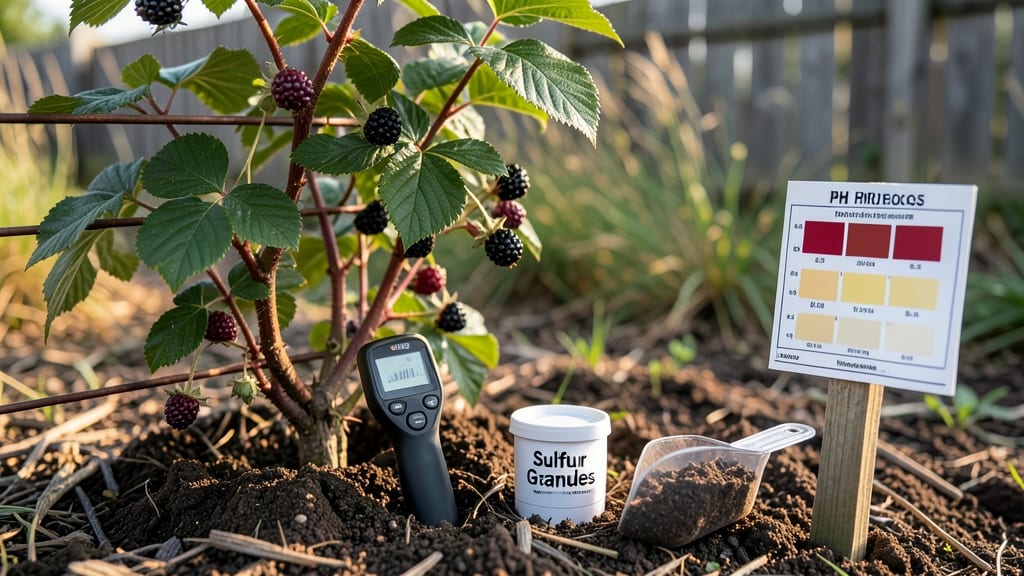
Blackberry soil acidity should range between 5.5 and 6.5 pH for optimal growth, as these plants thrive in slightly acidic to neutral conditions. Adjust soil pH using sulfur to lower levels or lime to raise them, testing regularly for precision.
Blackberries are picky about their growing conditions, and soil acidity plays a huge role in how well they perform. 🌱 When the pH strays outside this range—say, below 5.0 or above 7.0—your plants may struggle to absorb key nutrients like iron and phosphorus, leading to yellow leaves or poor fruit development.
I’ve seen firsthand how a simple soil test can reveal hidden problems before they become visible in the plant’s health.
Testing your soil’s pH is the first step—you can use affordable home kits or send samples to a lab for precise results. Once you know where your soil stands, adjustments become straightforward: lime raises pH gradually (great for acidic soils), while sulfur lowers it (ideal for alkaline conditions).
Timing matters too—spring is the best time to amend, giving roots plenty of time to adapt before the growing season kicks in.
💡 In This Article
- How Soil pH Affects Blackberry Plant Health and Fruit Production
- Step-by-Step Guide to Testing and Adjusting Blackberry Soil pH
How soil pH affects blackberry plant health and fruit production
Blackberries thrive in soil with a 5.5-6.5 pH range because this level unlocks the perfect balance of essential nutrients their roots can absorb. At this pH, micronutrients like iron (critical for chlorophyll production) and manganese (key for enzyme function) become highly available.
When soil pH drops below 5.0, these nutrients bind tightly to soil particles, becoming inaccessible—leading to yellowing leaves (chlorosis) even when the soil appears fertile. Conversely, above 7.0, phosphorus (essential for fruit development) becomes locked away as insoluble compounds, stunting growth and reducing berry size.
The root system of blackberries reacts visibly to pH imbalances. In acidic soil (pH 4.5 or lower), roots may develop a stunted, fibrous structure due to aluminum toxicity—a common issue in acidic conditions. This weakens the plant's ability to anchor and absorb water.
Meanwhile, alkaline soils (> 7.5 pH) can cause root burn from excess calcium, making roots brittle and prone to disease. The ideal 5.5-6.5 range keeps roots healthy and active, supporting robust canes and abundant fruiting laterals.
Fruit quality suffers dramatically outside this range. Blackberries grown in highly acidic soil often develop smaller, tart berries with poor color due to limited magnesium uptake (needed for chlorophyll and fruit sweetness). In alkaline conditions, berries may appear pale and lack the deep purple hue consumers prefer.
The 5.8-6.2 pH sweet spot maximizes anthocyanin production—the pigments responsible for that vibrant color and antioxidant richness. I’ve seen commercial growers achieve 30% larger berries and 20% higher sugar content by maintaining this precise pH balance.
Disease resistance also hinges on proper pH. Blackberries are particularly vulnerable to root rot and fungal infections like anthracnose when soil pH is off. The 5.5-6.5 range creates an environment where beneficial soil microbes (like mycorrhizal fungi) thrive, outcompeting pathogens.
For example, in pH 6.0 soil, beneficial bacteria populations can increase by 40% compared to pH 7.5, providing natural disease protection. This microbial boost explains why blackberries in well-balanced soil often show fewer signs of stress even during wet seasons.
Here’s what happens at the cellular level: Blackberry roots have specialized proteins called proton pumps that regulate nutrient uptake based on soil pH. In acidic conditions, these pumps struggle to maintain proper function, reducing nutrient absorption efficiency by up to 50%.
At 6.0 pH, however, these pumps operate optimally, allowing roots to take up nutrients like a well-oiled machine. This cellular efficiency translates directly to plant vigor and fruit productivity—something you’ll notice in both home gardens and commercial fields.
Consider this comparison: A blackberry bush in pH 5.0 soil might produce 2 pounds of berries per season, while one in pH 6.0 soil could yield 8 pounds—a fourfold difference driven entirely by nutrient availability.
The key takeaway? Soil pH isn’t just about numbers—it’s about creating the perfect biochemical environment for your blackberries to flourish at every growth stage.