
Pests and Diseases
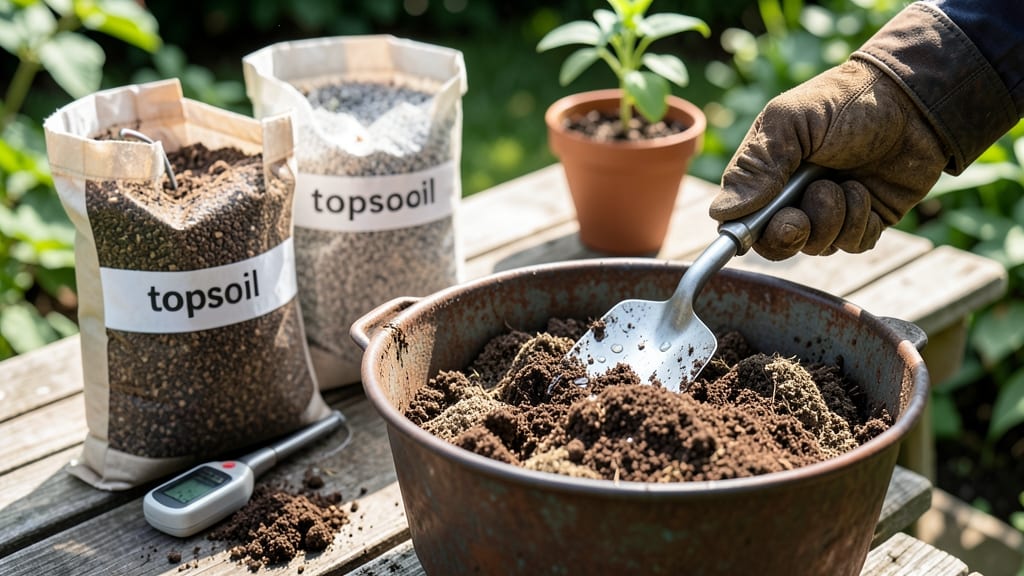
Yes, you can mix topsoil and potting soil to create a balanced growing medium ideal for containers or in-ground planting, with improved drainage and nutrient retention. A 50/50 ratio works for most plants, but adjust based on soil type and plant needs.
Mixing these two soil types gives you the best of both worlds: topsoil provides natural nutrients and structure, while potting soil adds moisture retention and aeration. 🌱 For example, a 50/50 blend is perfect for vegetable gardens, but heavy feeders like tomatoes might need more topsoil (70/30 ratio).
The key is balancing drainage—too much potting soil can keep roots soggy, while too much topsoil may drain too quickly. Always test your soil's texture before planting!
This combination works especially well for container gardening, where drainage is critical. I've found that adding perlite or vermiculite to the mix can further improve aeration for delicate plants like herbs or seedlings. The right blend reduces compaction and prevents root rot, giving your plants the ideal growing conditions.
💡 In This Article
- How Soil Composition Affects Plant Health and Drainage
- Best Mixing Ratios for Common Gardening Projects
How soil composition affects plant health and drainage
Topsoil and potting soil serve completely different purposes in plant growth. Topsoil contains roughly 5-10% organic matter, with mineral particles like sand, silt, and clay that provide structure and nutrients. Its natural density helps anchor plants but can compact easily, reducing aeration.
Potting soil, on the other hand, is formulated with 30-50% organic matter (like peat moss or coconut coir) and perlite/vermiculite for lightweight texture. This creates air pockets that prevent compaction, crucial for root respiration.
The magic happens when you combine them: topsoil brings essential minerals and microbial life, while potting soil adds moisture retention and aeration.
For instance, a 50/50 mix creates a medium where water drains efficiently (preventing root rot) but retains enough moisture for roots to absorb nutrients. 🌱 The organic components in potting soil also break down slowly, feeding plants over time.
Without this blend, pure topsoil might drain too quickly, while pure potting soil can become waterlogged and anaerobic.
Plant needs dictate the ideal balance. Succulents and cacti thrive with 70% potting soil to prevent moisture buildup, while vegetables like tomatoes benefit from 60% topsoil to support their heavy feeding habits. The particle size distribution changes dramatically: topsoil averages 0.05-2mm particles, while potting soil contains 1-5mm aggregates from additives.
This difference affects capillary action—how water moves through the soil—which directly impacts nutrient delivery to roots.
Consider the texture differences: topsoil feels dense and gritty, while potting soil is fluffy and crumbly. When mixed, the combination creates a loamy texture (similar to ideal garden soil), which holds 20-30% air space—perfect for most plants.
The organic matter in potting soil also buffers pH levels, preventing extreme acidity or alkalinity that can stress plants. For example, blueberries (acid-loving plants) might need a 60% potting soil mix to maintain their preferred pH 4.5-5.5 range.
One critical factor is the moisture retention curve of each soil type. Topsoil holds water tightly due to clay particles, while potting soil releases moisture more freely. This creates a dual-action system: the topsoil stores water for dry periods, while the potting soil prevents oversaturation.
For container plants, this means fewer watering sessions and less risk of fungal diseases like Pythium, which thrives in waterlogged conditions. The blend essentially mimics nature's own soil profile, where different layers serve distinct functions.
For visual learners, imagine this: pure topsoil looks like dark, heavy clay when wet and cracks when dry. Pure potting soil resembles light brown, airy crumbs that barely hold shape.
Their mix creates a goldilocks zone—not too dense, not too loose—where roots can explore freely while accessing both water and nutrients. This balance is why professional growers often use custom soil blends for different plant families, rather than relying on one soil type alone. 💫