
Vegetables
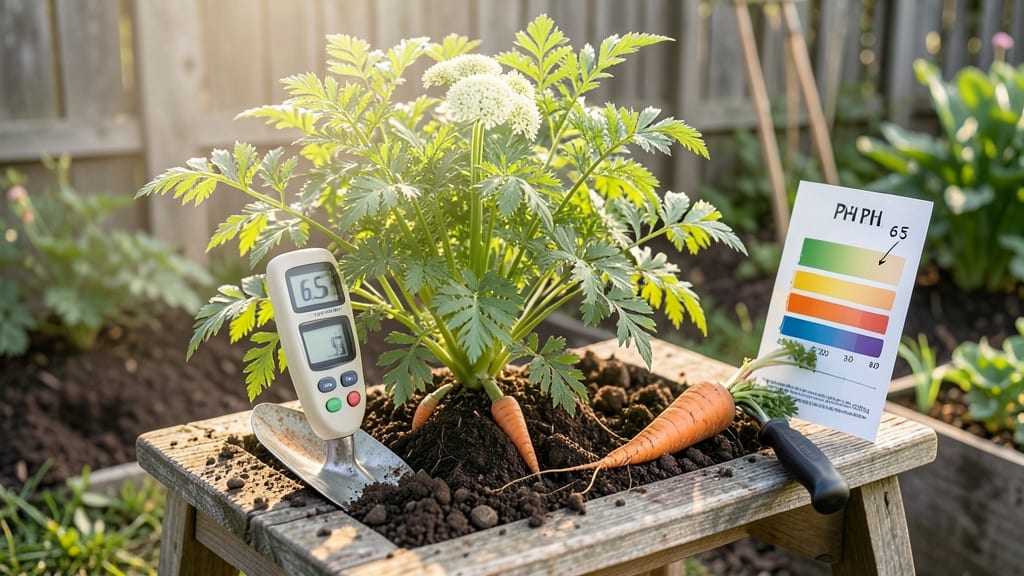
The optimal soil pH for growing carrots is between 6.0 and 6.8, where essential nutrients are most available and root development stays strong. When soil pH drops below 5.5, it locks out critical minerals like phosphorus and calcium, causing stunted growth, while pH above 7.0 can lead to bitterness and poor yields.
Carrots are particularly sensitive to soil chemistry because their long roots need consistent nutrient access. 🌱 When the pH strays from the ideal range, you’ll often see twisted or forked roots—a classic sign of calcium deficiency.
I’ve found that amending soil with compost or peat moss helps buffer pH naturally, while quick fixes like sulfur or lime can adjust extremes. Testing your soil before planting is the best way to prevent these issues and ensure sweet, straight carrots.
The right pH also affects flavor—alkaline soil can make carrots taste bitter, while overly acidic conditions slow growth. Most gardeners don’t realize how much pH impacts their harvest until they see the results.
For example, if your carrots are small or misshapen, checking the soil pH is a simple first step to diagnosing the problem.
💡 In This Article
- How Soil pH Affects Carrot Root Shape and Nutrient Uptake
- Step-by-Step Guide to Adjusting Soil pH for Carrots
How soil pH affects carrot root shape and nutrient uptake
Carrots develop their signature straight, tapered roots because they require consistent access to nutrients as they grow downward. When soil pH drops below 5.5, the chemistry changes dramatically—calcium and magnesium become locked in the soil particles, unavailable for uptake.
This deficiency causes the root tips to split or fork, as the plant struggles to direct growth in search of these critical minerals. 🌱 The result? Misshapen carrots that often develop a woody texture instead of the tender, sweet flesh gardeners expect.
The ideal 6.0-6.8 pH range ensures optimal availability of phosphorus (essential for root development) and iron (needed for chlorophyll production). At this balance, carrots absorb nutrients efficiently, leading to smooth, straight roots with vibrant orange color.
For example, phosphorus uptake peaks at pH 6.5, while iron availability drops sharply below 5.8, causing yellowing leaves—a classic sign of deficiency. Even slight pH shifts can reduce nutrient absorption by up to 30%.
Alkaline soil above 7.0 creates another set of problems. Excessive alkalinity reduces manganese and zinc availability, leading to stunted growth and bitter flavors. The roots may develop a coarse texture and fail to reach their full potential size.
I’ve noticed this in garden beds amended with too much lime without proper testing—what starts as a well-intentioned fix can actually harm the crop if not carefully monitored.
Micronutrient deficiencies often show up first in the foliage. Yellowing between leaf veins signals magnesium deficiency, while purple stems indicate phosphorus shortages. These visual cues are your early warning system—addressing them before planting can save an entire crop.
For instance, adding 1-2 pounds of dolomitic lime per 100 square feet can raise pH by 1 point over 2-3 months, restoring balance for optimal carrot development.
What most gardeners don’t realize is how pH affects flavor profiles too. Carrots grown in slightly acidic soil (5.5-6.0) develop a sharper, slightly earthy taste, while those in neutral soil (6.5-7.0) become sweeter and more mellow.
This chemical interaction between pH and sugar development makes soil testing before planting absolutely critical for achieving both quality and yield.