
Container Gardens
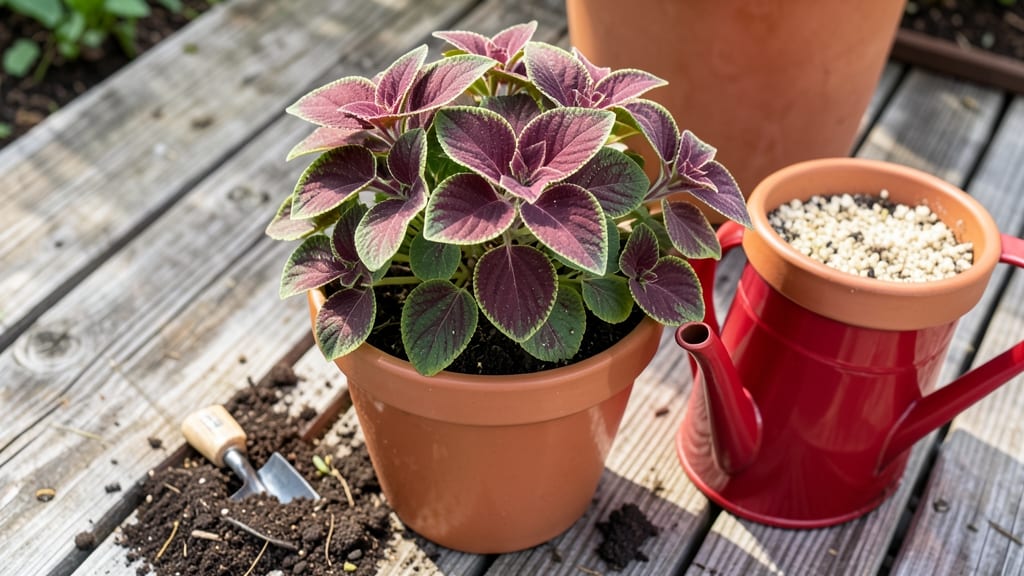
Using garden soil in containers works for hardy plants like vegetables and perennials, but can cause soil compaction, drainage issues, and weed seeds. Always blend it with perlite, compost, and sand to boost aeration and nutrient balance before planting.
Garden soil from your yard contains heavy clay or silt that compacts easily in pots, suffocating roots and blocking water flow. 🌱 Unlike loose potting mixes, it lacks the air pockets plants need to thrive in containers, leading to root rot or stunted growth.
I’ve seen even drought-resistant plants struggle when planted directly in garden soil without amendments—especially in small pots where drainage becomes critical.
For best results, combine garden soil with 50% perlite or vermiculite to prevent compaction and 30% compost to replenish nutrients lost during the mixing process. Add 10-15% coarse sand if your garden soil is particularly dense. This blend mimics the structure of ideal potting soil while keeping costs low.
💡 In This Article
- Why Garden Soil Struggles in Container Gardens
- Best Ways to Modify Garden Soil for Potted Plants
Why garden soil struggles in container gardens
Garden soil from your yard is designed for in-ground planting, where roots can spread freely and natural compaction happens gradually over time. In containers, however, the confined space creates a completely different environment.
When you pack garden soil into pots, its natural clay and silt particles compress tightly, reducing pore space by 30-50% compared to loose potting mixes. This compression limits oxygen flow to roots, which can suffocate plants even if they're getting enough water.
The texture difference is dramatic: garden soil often contains 20-40% clay particles, which absorb water like a sponge but hold it so tightly that excess moisture sits around roots for days. In containers, this creates the perfect storm for root rot—especially in plastic pots where heat builds up.
Compare that to commercial potting mixes, which typically contain 50-70% organic matter like peat or coconut coir that creates air pockets for oxygen circulation. 🌱
Nutrient availability also shifts dramatically in containers. Garden soil releases nutrients slowly through natural decomposition processes that happen over seasons, but in pots, these nutrients leach out with each watering. The confined space means what little fertility exists gets washed away faster, leaving plants hungry.
For example, a 5-gallon container filled with unamended garden soil may lose 25-30% of its nitrogen content within the first month, compared to just 5-10% in amended soil.
Weed seeds and pathogens present another hidden challenge. Garden soil often contains dormant weed seeds that germinate when exposed to light and moisture—exactly the conditions created in containers. I've seen pots become overrun with crabgrass or chickweed within weeks, competing with your intended plants for nutrients.
Even "sterile" potting mixes can't guarantee weed-free growth, but amended garden soil gives you more control over what sprouts.
Root growth patterns change too. In ground, roots can explore vertically and horizontally, but in containers, they circle the pot's edges in search of nutrients—a condition called "root binding." This creates a dense, tangled mass that restricts water and nutrient uptake.
For instance, tomato plants in unamended garden soil may develop roots that spiral so tightly they strangle each other, leading to 30-40% reduced yield compared to plants in properly amended containers. 🌿
The solution lies in understanding these physical and chemical differences. By recognizing how garden soil's natural properties conflict with container gardening needs, you can make targeted amendments that transform it into a workable growing medium.
The key is recreating the air-water balance that plants need while maintaining fertility—something we'll explore in the next section.