
How To
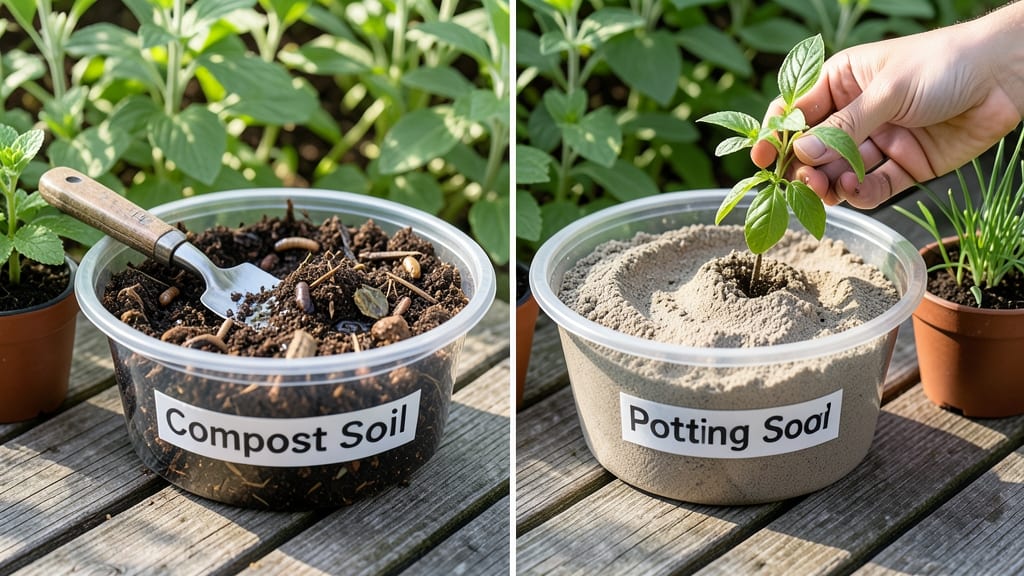
Choosing between compost soil and potting soil can make or break your plants' success. 🌱 Both serve different purposes, and using the wrong one might leave your garden looking half-hearted instead of thriving.
Compost soil is rich, dark, and teeming with life, perfect for amending garden beds and boosting long-term fertility, while potting soil is lighter, designed for containers and quick drainage.
The key difference lies in their purpose: compost soil is all about nutrient density and improving existing soil, while potting soil prioritizes airflow and moisture control for container plants. One is for the ground, the other for pots—but both play critical roles in a healthy garden.
I’ve learned the hard way that mixing them isn’t always the answer (though sometimes it is!). For seedlings and container plants, potting soil’s lightweight texture gives roots room to breathe, while compost soil’s richness feeds established plants in garden beds. The right choice depends on what you’re growing and where.
Let’s break down the details so you can pick the perfect match for your plants.
Compost soil is like a slow-release fertilizer—it breaks down over time, feeding plants steadily and improving soil structure. It’s ideal for in-ground gardens, raised beds, and any space where you want to build long-term soil health.
Potting soil, on the other hand, is engineered for containers, with added perlite or vermiculite to prevent compaction and keep roots oxygenated. Neither is "better" overall, but their strengths shine in different scenarios. Seedlings? Potting soil’s consistency is gentler on tender roots.
Established veggies? Compost soil’s nutrients keep them flourishing. The secret is knowing when to use each—or even combine them for the best of both worlds.
The first product explained
Product A Overview: Miracle-Gro Indoor Potting Mix
If you're looking for a reliable, all-purpose potting soil that’s perfect for container gardening, Miracle-Gro Indoor Potting Mix is a fantastic choice! 🌱 This premium blend is designed to support vibrant plant growth in both indoor and outdoor containers, making it ideal for beginners and seasoned gardeners alike.
Key Specs & Features
- Composition: A balanced mix of peat moss, perlite, vermiculite, and other organic materials for optimal aeration and moisture retention.
- Nutrient Boost: Includes continuous-release plant food to feed plants for up to 3 months, reducing the need for frequent fertilizing.
- Moisture Control: Formulated to prevent overwatering while keeping roots hydrated.
- Versatility: Works well for herbs, flowers, vegetables, and houseplants in pots, hanging baskets, and window boxes.
- Bag Size: Available in 8 qt, 12 qt, and 18 qt options, perfect for small projects or large-scale container gardening.
- Eco-Friendly: Made in the USA with renewable resources and designed to minimize waste.
Who Is This For?
This product is a game-changer for:
- 🌿 New gardeners who want a foolproof, nutrient-rich soil mix.
- 🏡 Urban dwellers with limited outdoor space but big gardening dreams.
- 🌶️ Herb and veggie enthusiasts growing basil, tomatoes, or peppers in pots.
- 🌸 Flower lovers keeping blooms like petunias or ferns thriving year-round.
Price Point & Value
Priced competitively at $6.97–$12.97 per bag (depending on size), Miracle-Gro Indoor Potting Mix offers exceptional value for its quality and convenience. The nutrient-rich formula and long-lasting feed mean you’ll spend less on fertilizers and more time enjoying lush, healthy plants! 💰🌿
Pro Tip: 💡 For even better results, mix this with a handful of compost to boost microbial activity and improve drainage!
The second product explained
Meet Miracle-Gro Indoor Potting Mix—your go-to companion for thriving indoor and container gardens! 🌱✨ This premium potting soil is designed to deliver exceptional drainage, aeration, and nutrient retention, making it perfect for houseplants, herbs, and veggies that call your home their home. Whether you're a seasoned plant parent or just dipping your toes into gardening, this product is built to simplify your green thumb journey.
Key Features & Specs
- Perfect Blend: A balanced mix of peat moss, perlite, and composted bark for ideal moisture control and root growth.
- Nutrient-Packed: Enriched with essential nutrients like nitrogen, phosphorus, and potassium to support vibrant, healthy plants.
- Lightweight & Fluffy: Designed to stay loose and airy, preventing compaction and promoting strong root development.
- Sterilized & Pesticide-Free: Safe for seedlings, sensitive plants, and organic gardening practices.
- Versatile Use: Suitable for pots, hanging baskets, window boxes, and even seed starting.
Who’s It For?
This potting mix is a game-changer for:
- 🌿 Indoor gardeners (think ferns, succulents, and snake plants).
- 🥬 Herb and veggie enthusiasts growing basil, tomatoes, or peppers in containers.
- 🛒 Busy beginners who want hassle-free, high-performance soil without the guesswork.
- 🏡 Small-space gardeners maximizing balconies, patios, or sunny windowsills.
Price & Value
Priced at $8.99 for a 8-quart bag (or ~$1.12/quart), this potting mix offers serious bang for your buck. While it’s slightly more expensive than basic compost soil, the long-term benefits—like fewer wilting plants and faster growth—make it a worthwhile investment.
Plus, one bag covers multiple pots, so it’s cost-effective for frequent gardeners!
Pro Tip: 💡 Mix this potting soil with a handful of worm castings or compost for an extra nutrient boost if you’re growing heavy feeders like tomatoes or peppers!
Head-to-head comparison
Ready to dig into the details? Let’s break down compost soil vs potting soil across key dimensions to help you pick the perfect growing medium for your plants. Whether you're nurturing a delicate fern or a robust tomato plant, understanding these differences will make all the difference! 🌱✨
📊 Performance: What Works Best for Your Plants?
Performance is where these two soils truly shine—or don’t—depending on your needs. Here’s how they stack up:
| Factor | Compost Soil | Potting Soil |
|---|---|---|
| Drainage | Moderate to poor (can become compacted over time). | Excellent—specifically designed with perlite, vermiculite, or sand for airflow. |
| Nutrient Retention | High—rich in organic matter, releasing nutrients slowly over time. | Moderate—often requires fertilization to maintain nutrient levels. |
| Moisture Retention | Very high—holds water well, reducing the need for frequent watering. | Low to moderate—dries out faster, ideal for plants that prefer drier conditions. |
| Best For | Vegetable gardens, raised beds, and long-term planting (e.g., perennials, shrubs). | Container gardening, seed starting, and short-term plants (e.g., herbs, annuals). |
🛠️ Features: Composition and Texture
What’s actually in these soils? The composition makes all the difference in how your plants thrive.
- Compost Soil:
- Made from decomposed organic materials like food scraps, yard waste, and manure.
- Texture is crumbly and earthy, often darker in color due to high organic content.
- May contain worms, microbes, and beneficial fungi that boost soil health.
- Pro Tip: Often requires amending (mixing in perlite or sand) to improve drainage if used in containers. 💡
- Potting Soil:
- Blended mix of peat moss, coconut coir, compost, and inorganic additives (perlite, vermiculite, or bark).
- Texture is lighter and fluffier, designed to stay loose for root growth.
- Sterilized to kill weeds and pathogens, making it safer for seed starting.
- Pro Tip: Avoid "garden soil" labeled as potting soil—it’s often too dense and lacks the right additives! ❌
$💰 Price: Budget-Friendly or Premium?
Your wallet will thank you for knowing the cost differences upfront!
- Compost Soil:
- Generally cheaper if made at home (DIY composting saves money!).
- Store-bought compost can cost $0.50–$2 per cubic foot, depending on quality.
- Long-term savings: Reduces the need for fertilizers due to natural nutrient richness.
- Potting Soil:
- More expensive—typically $3–$8 per cubic foot for premium mixes.
- Convenience comes at a cost: Pre-mixed blends are designed for specific plant needs.
- Pro Tip: Buy in bulk to save money, or repurpose old potting soil by adding compost! 💰
🏗️ Durability: How Long Does It Last?
Not all soils age gracefully. Here’s how long you can expect them to perform before needing a refresh.
- Compost Soil:
- Degrades over time as organic matter breaks down.
- Ideal for long-term garden beds but may need top-dressing with fresh compost annually.
- In containers, it can compact and lose structure after 1–2 seasons.
- Potting Soil:
- Designed for short-term use (usually 1–2 years in containers).
- Breaks down faster in warm, humid conditions.
- Pro Tip: Extend its life by mixing in compost or coconut coir to retain moisture and nutrients. 🌿
🌱 Versatility: Where Can You Use Them?
Not all soils are created equal when it comes to where they shine. Let’s explore their flexibility!
- Compost Soil:
- Best for:
- Vegetable gardens (tomatoes, peppers, leafy greens).
- Raised beds and in-ground planting.
- Perennial flowers and shrubs.
- Limitations:
- Not ideal for waterlogged plants (e.g., ferns, calatheas) without amendments.
- Can harbor weeds or pathogens if not properly composted.
- Best for:
- Potting Soil:
- Best for:
- Container gardening (herbs, succulents, annuals).
- Seed starting and propagations.
- Plants that need well-draining conditions (e.g., cacti, orchids).
- Limitations:
- Poor for long-term garden use—roots can become root-bound.
- May require frequent fertilizing to maintain nutrients.
- Best for:
⚠️ Potential Drawbacks: What to Watch Out For
No soil is perfect! Here’s what to keep in mind to avoid common pitfalls.
- Compost Soil:
- Can compact over time, reducing aeration for roots.
- May contain weed seeds or pathogens if not properly composted.
- Requires amending for container use (e.g., adding perlite).
- Potting Soil:
- Often lacks long-term nutrients, leading to nutrient deficiencies.
- Can dry out too quickly in hot climates.
- Some blends contain peat moss, which is non-renewable and environmentally harmful.
Which one should you choose?
So, you’ve weighed the pros and cons—now it’s time to decide! The best choice between compost soil and potting soil depends on your gardening goals, plant types, and even your budget. Here’s a clear breakdown to help you pick the perfect match for your green thumb adventures. 🌱✨
🌿 Go for Compost Soil If...
- You’re building a garden bed or raised planter. Compost soil is ideal for in-ground planting because it improves long-term soil health, retains moisture, and encourages root growth.
- Your plants are heavy feeders. Fruits, vegetables, and flowering plants (like tomatoes, peppers, or roses) thrive in nutrient-rich compost soil.
- You want to reduce waste and save money. DIY compost is cost-effective and eco-friendly—just mix kitchen scraps and yard waste!
- You’re amending poor or clay-heavy soil. Compost acts as a natural conditioner, breaking up compacted soil and boosting aeration.
🏺 Choose Potting Soil If...
- You’re growing in containers, pots, or hanging baskets. Potting soil is lightweight, sterile, and designed to prevent compaction—a must for potted plants.
- Your plants need consistent moisture and drainage. Potting mixes are formulated to balance water retention and airflow, reducing the risk of root rot.
- You’re dealing with delicate or seedling plants. The sterile nature of potting soil minimizes disease risks for young or sensitive plants.
- You prefer convenience and ready-to-use options. Pre-mixed potting soils come with added nutrients and amendments, perfect for beginners or busy gardeners.
💡 Pro Tip for the Ultimate Mix!
Why not combine the two? For container gardening, mix 50% potting soil with 30-50% compost to boost nutrients while maintaining drainage. For in-ground planting, till compost into existing soil to revitalize it without overwhelming roots. 🌍🔄
📌 Final Checklist Before You Buy:
| Factor | Compost Soil | Potting Soil |
|---|---|---|
| Best for | Garden beds, heavy feeders, soil amendment | Containers, seedlings, lightweight needs |
| Nutrient Level | High (natural decomposition) | Moderate (often amended with fertilizers) |
| Drainage | Moderate (can compact over time) | Excellent (designed for pots) |
| Cost | Low (DIY) to moderate (store-bought) | Moderate to high (premium blends) |
Still unsure? Start small! Test a batch of compost soil in a pot for a few weeks—if your plants love it, expand your garden bed. Or grab a bag of potting soil for your next container project and tweak as you go.
Happy gardening—your plants (and wallet) will thank you! 🌟