
Vegetables
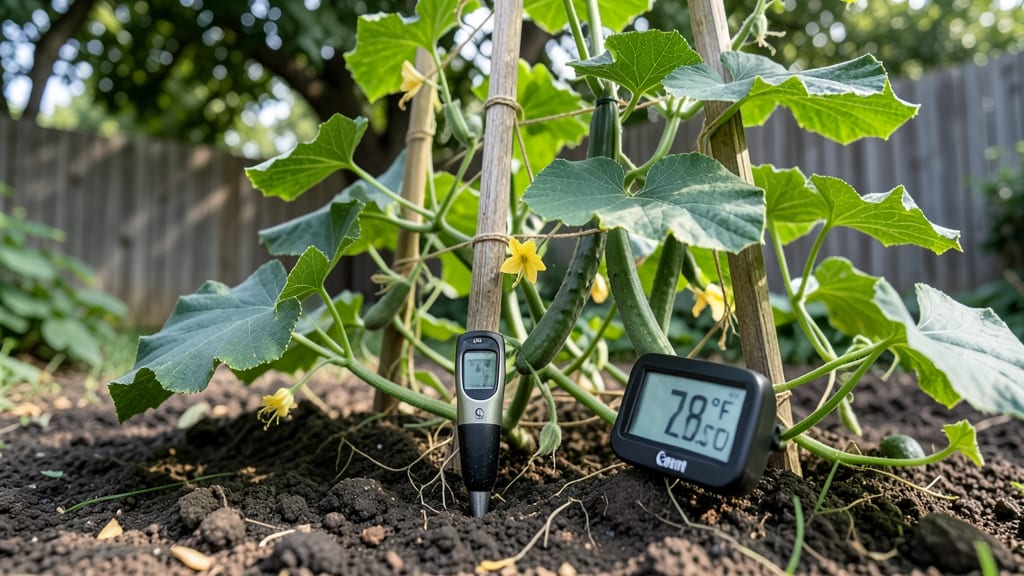
Cucumber soil temperature determines whether your seeds sprout or your plants wilt before they even start growing.
Struggling with cucumber plants that refuse to sprout or thrive? The secret might be hiding in your soil temperature—getting it wrong can mean the difference between a bountiful harvest and wasted effort.
Too cold, and your seeds won’t break the surface; too hot, and they’ll rot before they germinate. Even after sprouting, cucumbers need just the right warmth to grow strong vines and produce crisp, flavorful fruit.
In this guide, I’ll break down the exact soil temperatures cucumbers need at every stage—from germination to fruiting—and share simple, proven tips to keep your soil at the perfect warmth for a thriving harvest.
Ideal soil temperature for cucumber germination: exact fahrenheit and celsius ranges
If you've ever planted cucumber seeds only to watch them sit stubbornly in the soil without sprouting, soil temperature is likely the culprit. Cucumbers are heat-loving plants that refuse to germinate in cold soil—unlike hardy crops like peas or lettuce.
The perfect soil temperature for cucumber seeds to sprout falls between 55°F and 95°F (13°C to 35°C), but the sweet spot for fastest germination is 70°F to 90°F (21°C to 32°C).
Understanding these ranges and how to achieve them can transform your germination success rate from frustrating to foolproof.
Most gardeners overlook soil temperature, assuming it's just about air temperature. But cucumber seeds need warmth to activate enzymes that break down their food reserves—without it, they simply won't sprout. Even if your air thermometer reads 70°F, the soil might still be too cold.
This is why early spring plantings often fail unless you take steps to warm the soil. Let's break down the exact ranges and how to measure them accurately.
| Germination Stage | Ideal Soil Temp (°F) | Ideal Soil Temp (°C) | Germination Time | Notes |
|---|---|---|---|---|
| Minimum for Germination | 55°F | 13°C | 14-21 days | Slow, unreliable sprouting |
| Optimal Range | 70-90°F | 21-32°C | 5-7 days | Fastest, most reliable germination |
| Maximum Tolerance | 95°F | 35°C | 3-5 days | Risk of seed rot if soil stays soggy |
| Danger Zone | Below 50°F | Below 10°C | No germination | Seeds rot instead of sprouting |
🌱 Pro Tip: Use a soil thermometer to check temps 2-3 inches deep—surface temps can be misleading!
To measure your soil temperature accurately, use a soil thermometer (available for under $10) and insert it 2-3 inches deep—this is where seeds actually germinate. Surface temperatures can be 10°F (5.5°C) warmer than deeper layers, leading to false assumptions.
For example, if your air temperature is 60°F but the soil reads 50°F, your cucumber seeds will sit dormant or rot. Test your soil for a few days before planting to plan your timing around the optimal window.
If your soil temperature consistently runs below 60°F (15°C), don't despair—there are proven strategies to warm it up. One of the most effective methods is using black plastic mulch, which can raise soil temperatures by 5-10°F (3-6°C) within days.
Simply lay down black plastic sheeting over the planting area 1-2 weeks before sowing. Another option is straw or leaf mulch, which insulates the soil and retains warmth. For container gardening, place pots in a sunny, south-facing location and use dark-colored containers to absorb more heat.
For gardeners in cooler climates like USDA Zones 3-5, consider starting seeds indoors under grow lights until soil temperatures warm up. Use heat mats (available at garden centers) to maintain 70-80°F (21-27°C) soil temps for consistent germination.
Once seedlings are 2-3 inches tall, transplant them into pre-warmed soil—this minimizes transplant shock and ensures continuous growth. Remember, cucumbers hate cold feet, so always prioritize soil warmth over air temperature when planning your planting schedule.
One common mistake is assuming that warmer air temperatures automatically mean warmer soil. This isn't true—soil heats up slower than air and retains cold longer, especially in early spring or shady gardens.
To accelerate warming, create a mini greenhouse effect by covering seed beds with clear plastic domes or row covers. These traps radiant heat during the day and releases it slowly at night, creating a consistent warm environment for germination.
In my own garden, I've seen germination times drop from 14 days to just 5 days
How to maintain perfect soil temperature for cucumber growth stages
Cucumbers are finicky about soil warmth—too cold, and they won’t sprout; too hot, and they’ll bolt or wither. The key is maintaining a consistent temperature range from germination through fruiting.
For seeds to sprout, soil must reach 50-60°F (10-15°C), while vining plants thrive in 70-90°F (21-32°C). Without the right warmth, your cucumbers may languish or fail entirely.
In cooler climates, I’ve used black plastic mulch and row covers to jumpstart germination, while in hot summers, shade cloth and drip irrigation keep roots from overheating. The right strategy depends on your USDA zone, seasonal shifts, and even daily weather patterns.
Let’s break down how to create the perfect growing environment for every stage.
🌱 5 Pro Tips for Cucumber Soil Temperature Control
- 1. Use black plastic mulch to raise soil temps by 10-15°F—ideal for early spring planting in cooler zones (USDA 3-5).
- 2. Cover seeds with row fabric to trap heat while allowing light—perfect for 50-60°F (10-15°C) germination.
- 3. Plant in raised beds for faster warming; soil heats 2-3°F warmer than in-ground plots.
- 4. Water deeply in mornings to cool roots during 90°F+ (32°C+) heatwaves—avoid evening watering.
- 5. Time planting for peak warmth: Aim for after last frost when soil hits 70°F (21°C) consistently.
For germination, I always test soil temperature with a soil thermometer—cheap and lifesaving. Bury it 2 inches deep (where seeds will be) and check daily. If temps drop below 50°F (10°C), delay planting or use heat mats under containers.
In my Zone 6 garden, I’ve found that late May is the safest window for direct sowing, as April soil is still too chilly.
Once sprouted, cucumbers need warmth to vine aggressively. If daytime temps dip below 60°F (15°C), growth slows dramatically. I’ve had success extending the season in fall by using low tunnels or cold frames, which add 5-10°F (3-6°C) of insulation.
Just remove them on warm days to prevent overheating—95°F+ (35°C+) soil can scorch roots.
Organic mulches like straw or grass clippings work wonders for heat retention while suppressing weeds. I top-dress my beds with 2-3 inches of mulch after planting to keep roots consistently warm.
For container growers, dark-colored pots absorb heat faster—place them on black trays or roofs to maximize warmth. Pro tip: Group containers tightly to create a microclimate.
Seasonal adjustments are critical. In spring, focus on warming the soil with clear plastic or black landscape fabric. By summer, prioritize shade and moisture to prevent bolting.
I’ve even painted white plastic mulch on one side to reflect heat while allowing light—great for high-desert gardens where soil can get too hot. The goal? Stable, sweet-spot temps for 50+ days of growth.