
Trees
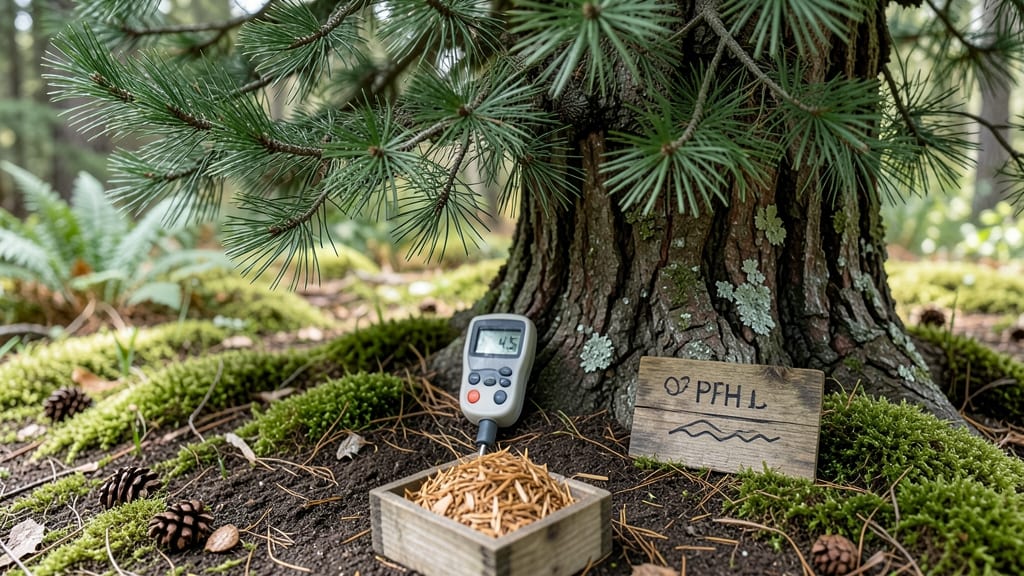
Pine trees do make soil acidic as their needles decompose, releasing organic acids that lower soil pH over time, creating ideal conditions for acid-loving plants like blueberries and azaleas.
This acidification happens naturally as pine needles break down, releasing compounds like tannins that gradually reduce soil pH. 🌲 The process can take years but creates a nutrient-rich environment perfect for acid-tolerant plants.
What's interesting is how this affects nearby vegetation—while some plants thrive, others may struggle without proper soil adjustments.
For gardeners working under pine trees, regular soil testing every 2-3 years helps track pH changes. Organic amendments like wood ash or crushed limestone can gently raise pH if needed, though these should be used sparingly.
The key is balancing the natural acidity with plants that match this environment—like rhododendrons or ferns—rather than fighting the soil's natural chemistry.
💡 In This Article
- How Pine Needles Lower Soil pH Over Time
- Managing Soil Acidity Under Pine Trees
How pine needles lower soil pH over time
When pine needles decompose, they release compounds like tannins and phenolic acids that actively lower soil pH. These organic acids create a slow-release effect, gradually converting the soil into a more acidic environment over 5-10 years or longer, depending on needle density and climate.
The process begins when microbial activity breaks down the tough needle structure, releasing humic substances that further acidify the soil through chemical reactions with minerals like calcium and magnesium.
This acidification isn't just about pH numbers—it transforms soil chemistry. The resulting acidic humus improves water retention and enhances nutrient availability for acid-loving plants. For example, blueberry bushes thrive in this environment because their roots can efficiently absorb iron and manganese, which become more soluble in acidic conditions.
The breakdown process also creates a spongy, dark topsoil layer that contrasts sharply with the lighter, less fertile soil found under deciduous trees.
What makes pine needles unique is their high carbon-to-nitrogen ratio (50:1 or higher), which means decomposition happens slowly. This gradual process allows the soil to develop a stable acidity level rather than sudden shifts. In contrast, fast-decomposing leaves from deciduous trees might raise pH temporarily before stabilizing.
The slow release also means the acidifying effect persists even after the tree is removed, requiring careful management if you want to plant non-acid-tolerant species.
Microbial activity plays a crucial role in this process. Fungi and bacteria that thrive in acidic environments break down the needles more efficiently, creating a feedback loop where the soil remains acidic.
These microorganisms also produce additional organic acids as byproducts, further lowering pH. The texture of the soil changes too—becoming finer and more compact as the needle litter breaks down into humus, which can affect drainage and root penetration for some plants.
Interestingly, the acidity level varies by pine species. For instance, loblolly pines produce more acidic litter than white pines, with pH drops of 0.5-1.5 units over a decade. The needle's waxy coating also slows decomposition, making the process more gradual.
This is why you'll often see a clear boundary in soil acidity between pine-dominated areas and surrounding ecosystems.
Understanding this process helps explain why pine forests create such distinct ecosystems. The acidity affects not just plants but also soil organisms, with certain fungi and mosses becoming dominant.
For gardeners, this means carefully selecting plants that match this environment—like azaleas, heather, or ferns—rather than trying to force non-acid-tolerant species to grow.