
Neem Oil
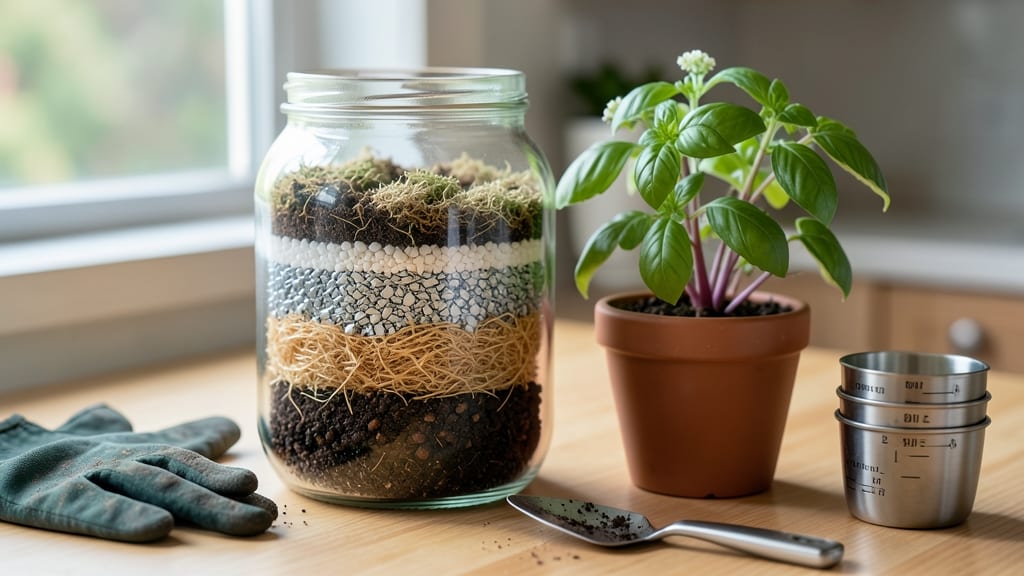
A homemade soil mix infused with neem oil isn’t just budget-friendly—it’s a game-changer for pest-resistant growth. 🌱 I learned the hard way that store-bought blends often lack the natural defenses plants need, especially in my vegetable garden where aphids and fungal issues used to ruin crops.
This mix combines compost, perlite, and a touch of neem oil to create a foundation that’s both nutrient-rich and protective, cutting down on synthetic treatments.
The beauty of this blend lies in its simplicity: 50% compost (for nutrients), 30% perlite or coarse sand (for drainage), and 20% coconut coir or peat moss (for moisture retention).
The neem oil infusion—just 1 teaspoon per gallon of mix—adds a natural fungicide and insect repellent without harming beneficial microbes. For heavy feeders like tomatoes, I add a handful of worm castings; for delicate flowers, I reduce the perlite slightly to retain more moisture.
What you’ll end up with is a lighter, fluffier soil that roots love—no more compacted, waterlogged messes that stunt growth. Plants thrive because the mix stays aerated, drains well, and resists pests naturally.
The neem oil’s lingering protection means fewer chemical sprays, and the cost? A fraction of what you’d spend on pre-mixed bags. Plus, you can customize it for containers, raised beds, or in-ground planting.
This isn’t just about saving money—it’s about healthier plants from the start. The mix stays effective for 6-12 months if stored in a dry place, and you can always tweak the ratios based on what you’re growing.
Whether you’re battling fungal spots or just want to grow stronger veggies, this blend delivers results that speak for themselves.
📚 In This Guide
- What you need
- Instructions
- Tips and common mistakes
- Wrapping up and next steps
What you need
- ● Coconut coir or peat moss: 2 parts (retains moisture, great for aeration)
- ● Perlite or vermiculite: 1 part (boosts drainage and root growth)
- ● Compost or well-aged manure: 1 part (adds nutrients and microbes)
- ● Neem oil (organic, cold-pressed): 1 tbsp per gallon of mix (natural pest repellent)
- ○ Worm castings (optional but recommended): ½ part (rich in beneficial microbes)
- ● Large mixing container or wheelbarrow: (5-gallon bucket or bigger for easy blending)
- ● Garden gloves: (to keep hands clean and protected)
- ● Measuring scoop or scale: (for precise ratios)
- ○ Spray bottle (optional): (to dilute neem oil for even distribution)
- ○ pH testing kit (optional): (to ensure your mix is plant-friendly, ideal range: 6.0–7.0)
Step-by-step instructions for creating a neem oil-infused soil mix
This organic blend fights pests naturally while improving soil structure—perfect for containers or garden beds.
🌱 Step 1: Combine Base Materials for Structure and Drainage
Start by mixing 4 parts coconut coir with 3 parts compost in a large container. The coconut coir holds moisture while allowing airflow, and the compost provides essential microbes and nutrients. I like to use a wheelbarrow or sturdy plastic bin for this—it makes mixing easier and prevents spills.
Add 2 parts perlite next to improve drainage. This prevents compaction and root rot, especially important if you're growing in containers. Sift the perlite first to remove any dust or fine particles—your plants will thank you later with healthier roots.
💧 Step 2: Infuse with Neem Oil for Pest Protection
Measure out 2 tablespoons of neem oil per 5 gallons of dry mix. The neem oil acts as a natural fungicide and insect repellent, but it needs to be diluted properly to avoid burning plant roots. Mix it with 1 quart of warm water in a separate container first.
Pour the diluted neem solution over the dry ingredients and stir thoroughly. You want the mix to look evenly damp but not soggy—think of it like a wrung-out sponge. This ensures the neem oil coats the particles without creating waterlogged pockets where harmful microbes could thrive.
🌿 Step 3: Add Organic Matter for Nutrient Boost
Sprinkle in 1 cup of worm castings per 5 gallons of mix. Worm castings are like nature's fertilizer—they're packed with beneficial microbes and nutrients that plants can absorb immediately. Distribute them evenly and mix again until fully incorporated.
For an extra nutrient punch, add 1 tablespoon of kelp meal to the same quantity. Kelp meal provides trace minerals and growth hormones that help plants develop strong root systems. This is where the mix transforms from just a growing medium into a powerhouse for your plants.
⏰ Step 4: Cure and Test Before Use
Let the mix sit for 24-48 hours before using it. This curing period allows the neem oil to fully integrate and for any strong odors to mellow out. Store it in a sealed container or covered bin to prevent drying.
Before planting, test the moisture level by squeezing a handful. It should hold together but not drip water. If it feels too dry, add a light mist of water and remix. If it's too wet, spread it out in a thin layer to dry slightly. This step ensures your plants start with the perfect balance of moisture and nutrients.
Tips & tricks for perfect soil mix blends
This organic soil mix isn't just about throwing ingredients together—it's about creating a balanced ecosystem for your plants. Here's what I've learned after perfecting this blend for years.
Ingredient Ratio Precision: The 4:3:2 ratio of coconut coir to compost to perlite is intentional. Weighing these components ensures consistency, especially when scaling up. I use a kitchen scale for accuracy—this prevents the mix from becoming too dense or too loose. For smaller batches, measure by volume in a large container, but tap gently to settle ingredients before leveling off.
Neem Oil Dilution Technique: The 2 tablespoons of neem oil per 5 gallons needs precise dilution with 1 quart of warm water. I always use a separate container for this step to avoid contaminating the dry mix with any leftover oil residue. After pouring, stir with a wooden spoon to create a uniform mist—this ensures even pest protection without creating concentrated pockets of oil that could harm roots.
Curing Period Insight: The 24-48 hour cure time is crucial for two reasons: first, it allows the neem oil to fully integrate into the mix without overwhelming plant roots, and second, it lets any strong odors dissipate. I've found that covering the mix with a damp towel during curing helps maintain moisture while preventing evaporation. This preparation step makes all the difference in how your plants respond to the mix.
Moisture Testing Method: The squeeze test before planting is more scientific than it seems. Aim for a mix that holds together like a damp sponge—it should resist breaking apart but not leave wet marks on your hands. If your mix feels like wet sand, spread it thinly to dry for 1-2 hours before using. This balance prevents both waterlogging and dehydration in your plant's root zone.
Pro Tips for Homemade Soil Mix
- This organic soil mix isn't just about throwing ingredients together—it's about creating a balanced ecosystem for your plants.
- Ingredient Ratio Precision: The 4:3:2 ratio of coconut coir to compost to perlite is intentional.
- Neem Oil Dilution Technique: The 2 tablespoons of neem oil per 5 gallons needs precise dilution with 1 quart of warm water.
Frequently asked questions
Got questions about crafting your homemade soil mix with neem oil? You’re not alone! Here are some of the most common queries—and their straightforward answers—to help you grow with confidence.
What’s the best ratio of garden soil to compost for this mix?
For a balanced blend, aim for a 60% garden soil to 30% compost ratio, with the remaining 10% for perlite/vermiculite. Adjust based on your plants: heavy feeders (like tomatoes) need more compost, while succulents thrive with extra perlite for drainage.
How long does neem oil-infused soil mix last before it loses effectiveness?
Neem oil’s pest-repelling properties stay active for 2–3 months in the soil. To refresh, stir in a 1 tsp of neem oil per gallon of mix or add a fresh dose during repotting. Store in a sealed container away from sunlight to extend its shelf life.
Can I substitute coconut coir for peat moss in this recipe?
Coconut coir is a sustainable, peat-free alternative that retains moisture well. Use a 1:1 ratio (coir to peat moss) and hydrate it thoroughly before mixing. It’s especially great for seed starting and container gardens.
Why are pests still showing up after using neem oil in my soil?
Pests might persist if the neem oil wasn’t properly mixed into the soil or if they’re already established (like grubs). Try reapplying neem oil as a foliar spray and adding beneficial nematodes for underground pests. Also, ensure your mix isn’t too dry—neem works best in moist soil.
Is this mix safe for edible plants like herbs or vegetables?
Yes! This neem-infused mix is completely safe for edible plants once fully integrated into the soil. Neem oil breaks down naturally and won’t harm humans or pets. Just avoid direct contact with the oil itself (wear gloves when mixing).
Wrapping up and next steps
Creating your own homemade soil mix with neem oil is a game-changer for pest-free, thriving plants! 🌱 You’ve got all the tools—from organic matter to natural pest control—to nurture a healthier garden without harsh chemicals. This blend isn’t just budget-friendly; it’s sustainable and tailored to your plants’ needs.
Ready to take the next step? Start small—mix a batch for one pot or garden bed, observe how your plants respond, and tweak the recipe as needed. Happy gardening! 🌿