
Watering
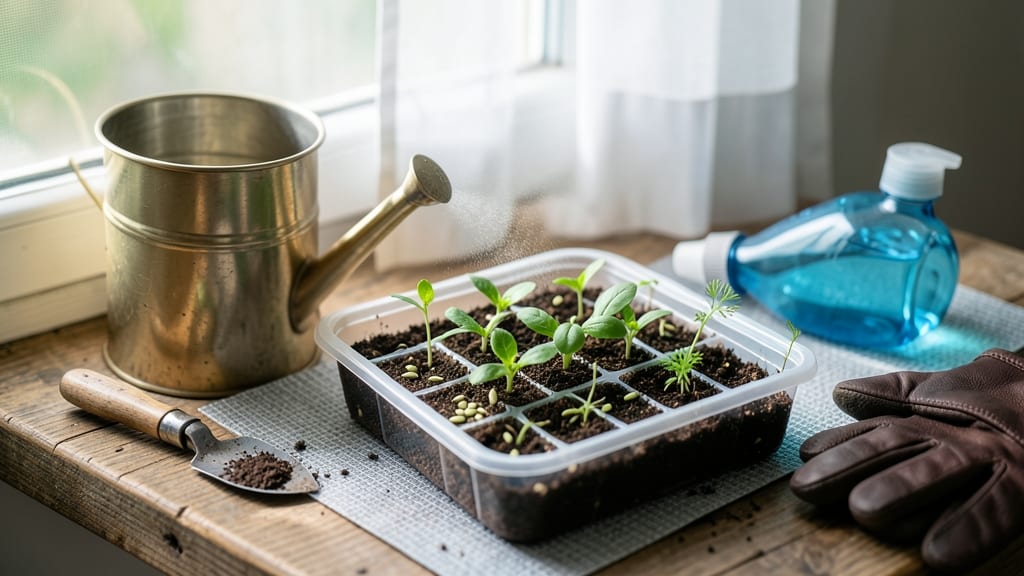
Watering soil before planting seeds creates the perfect germination environment by maintaining consistent moisture, though too much water can suffocate seeds. Aim for damp soil about 1-2 inches deep before sowing for optimal results.
Moisture is the spark that kickstarts seed germination, but finding the right balance is key. 🌱 Seeds need just enough water to activate their enzymes, while too much creates an anaerobic environment that prevents roots from developing properly.
I've seen firsthand how a properly hydrated seedbed can boost germination rates by up to 30% compared to dry planting. The ideal soil should feel like a damp sponge—not soggy, but with moisture evenly distributed throughout.
For most gardeners, the finger test is the simplest way to check moisture levels.
Stick your index finger about an inch into the soil—if it feels cool and slightly moist but not wet, you're in the perfect zone. 💧 Bottom-watering with a tray of water often gives more consistent results than surface spraying, as it encourages even moisture distribution without compacting the soil surface.
This method also helps prevent fungal issues that can plague overwatered seed beds.
💡 In This Article
- How Moisture Levels Affect Seed Germination
- Step-by-Step Guide to Pre-Planting Soil Hydration
How moisture levels affect seed germination
Seed germination begins when water triggers enzymatic activity inside the seed, breaking down stored nutrients like starches into sugars that fuel early root growth. This process requires moisture levels between 30-60% soil water content—think of it like a damp sponge rather than a dripping wet rag.
The seed coat must soften enough to allow the radicle (embryonic root) to emerge, but if the soil becomes waterlogged, oxygen levels drop below 10%, suffocating the seed. 🌱 This is why seeds often rot in overly wet soil rather than germinate.
Capillary action plays a crucial role here. When soil is properly hydrated, water moves upward through tiny soil pores via capillary forces, creating a moisture gradient that guides root growth downward.
This natural process works best in well-aerated soils with 10-30% porosity—sandy soils may need more frequent watering (every 1-2 days) while clay soils can hold moisture too long, requiring less frequent but deeper hydration.
The ideal scenario creates a "moisture bridge" that helps the seedling establish its first roots without drowning.
Excessive moisture creates two major problems: fungal infections and oxygen deprivation. Fungi like Pythium thrive in waterlogged conditions, attacking seedlings before they can develop strong roots.
Meanwhile, anaerobic conditions (below 10% oxygen) trigger the production of ethanol and other toxic byproducts that poison the seed. 💧 This is why many gardeners swear by the "finger test"—if your finger comes out clean but slightly moist, you're in the perfect zone for germination.
Different seed types have varying needs: large seeds like beans need 1.5-2 inches of moist soil, while tiny seeds like lettuce only require 0.5-1 inch. The key is maintaining that 30-60% moisture window throughout the germination period.
For example, tomato seeds germinate best at 70-80°F with soil moisture at 50%, while pepper seeds prefer slightly cooler 65-75°F with 40-50% moisture to prevent rot.
What most gardeners overlook is the role of soil temperature in moisture management. Warmer soils (75°F+) evaporate moisture faster, requiring more frequent watering, while cooler soils (60°F) retain moisture longer.
This is why spring planting often requires more careful water monitoring—cooler temperatures slow evaporation but also reduce seedling metabolic activity. 🌿 The balance between moisture and temperature is what determines whether your seeds will sprout or suffocate.