
Planting
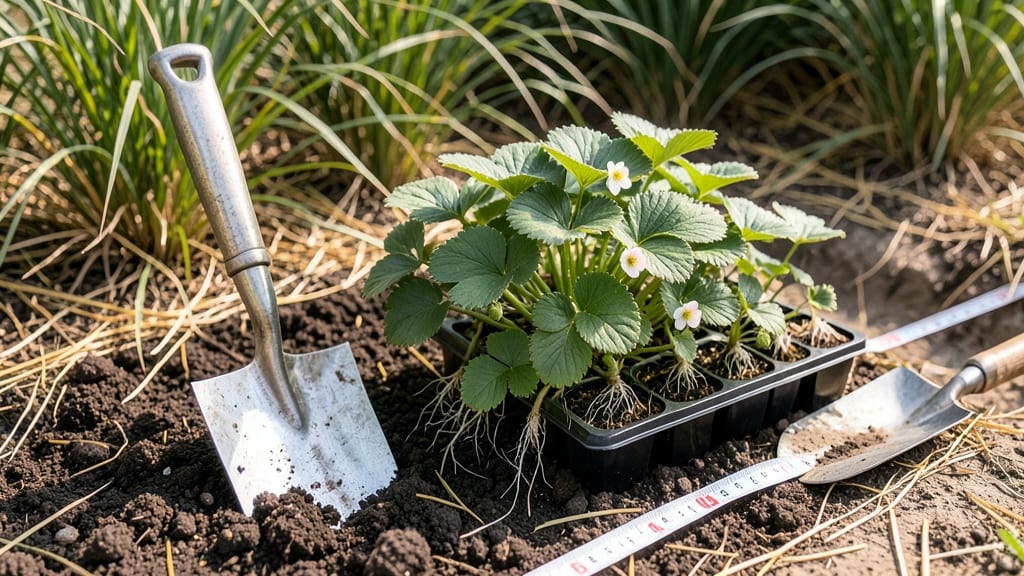
How deep of soil do strawberries need to thrive? The answer is at least 6 inches**—but getting the depth right is the difference between a thriving patch and a struggling one. Picture this: you’ve spent weeks preparing your 🍓 patch, only to watch your plants struggle because the soil isn’t deep enough. The right depth isn’t just about inches—it’s about unlocking the full potential of your strawberries for bigger yields and healthier roots.
Too shallow, and roots can’t access nutrients or water. Too deep, and you risk suffocating the plant. I’ll break down the science behind the ideal depth, how to prep your soil for maximum growth, and the common mistakes that sabotage strawberry success.
By the end, you’ll know exactly how to create the perfect planting environment—whether you’re a beginner or a seasoned gardener.
The ideal soil depth for strawberries: why 6 inches is the magic number
Strawberries may seem delicate, but their root systems are surprisingly complex and demand precise soil conditions to thrive. Most gardeners focus on sunlight and water, but the depth of soil you plant them in directly impacts their ability to absorb nutrients, resist disease, and produce fruit.
A 6-inch soil depth isn’t arbitrary—it’s the sweet spot where strawberry roots can spread, access moisture, and establish themselves for years of harvests.
The crown of a strawberry plant (where leaves meet roots) must sit just above the soil line, but the real magic happens below. Strawberry roots grow both horizontally and vertically, creating a fibrous network that needs loose, nutrient-rich soil to flourish.
Plant too shallow, and roots suffocate; too deep, and the crown rots. The 6-inch rule balances these needs perfectly, giving roots room to explore while keeping the plant stable.
Here’s why 6 inches of soil depth is the gold standard for strawberries, backed by science and decades of gardening experience:
| Factor | 6-Inch Soil Depth Benefit | What Happens Without It? |
|---|---|---|
| Root Expansion | Roots spread 3x wider than depth, accessing nutrients and water efficiently. | Stunted roots; plants compete for resources, leading to smaller fruit. |
| Drainage | Prevents waterlogging; excess moisture drains away from roots. | Root rot from soggy soil; crowns suffocate and die. |
| Nutrient Access | Top 6 inches hold 80% of organic matter and microbes strawberries need. | Nutrient deficiency; yellow leaves and poor fruit development. |
| Temperature Regulation | Soil insulates roots from extreme heat/cold, keeping them consistently warm. | Root shock; plants struggle in hot summers or freezing winters. |
| Stability | Anchors plants to resist wind and heavy fruit without toppling. | Plants fall over; fruit rots on the ground. |
The fibrous root system of strawberries extends horizontally but also sends down secondary roots to stabilize the plant. In 6 inches of soil, these roots can access moisture and nutrients without competing with weeds or compacted layers.
For example, June-bearing varieties like 'Jewel' or 'Chandler' rely on deep soil to fuel their massive fruit production in early summer.
Shallow planting (less than 4 inches) traps roots near the surface, where they bake in sunlight and dry out quickly. This causes stress responses like curled leaves or blossom end rot.
Meanwhile, planting too deep (8+ inches) buries the crown, smothering it and inviting fungal diseases like Botrytis. The 6-inch mark is the compromise that keeps roots happy without sacrificing the plant’s stability.
Another critical factor is soil composition. Strawberries prefer loamy soil with a pH between 5.5 and 6.8. In 6 inches of depth, you can mix in compost or aged manure to improve texture and fertility.
For clay-heavy soils, amending the top 6 inches with sand or peat moss creates the ideal crumbly texture. In sandy soils, adding organic matter helps retain moisture where roots can reach it.
Visualize a strawberry’s root zone like an inverted pyramid: the widest part (horizontal roots) spreads just below the surface, while the narrower vertical roots dive down. The 6-inch depth ensures this pyramid has room to expand without hitting obstacles like hardpan or rocks.
For container-grown strawberries, use pots with at least 12 inches of depth to accommodate this root structure.
Pro tip: Test your soil depth before planting. Use a trowel or soil probe to check how deep you can dig without hitting compacted layers.
If your soil is naturally shallow (common in urban gardens or raised beds), build up the bed with compost and topsoil to reach the 6-inch target. This small adjustment can double your yield in just one season.
Remember, strawberries are perennial plants, meaning they’ll produce for years if given the right conditions. Investing in the correct soil depth now saves you from replanting or struggling with weak growth later.
Think of the 6-inch rule as your foundation—get it right, and your strawberries will reward you with juicy, abundant fruit for seasons to come.
🌱
How to prepare soil depth for strawberries: step-by-step guide for maximum yield
Strawberries need a minimum of 6 inches of well-prepared soil to thrive, but creating the perfect planting environment goes beyond just measuring depth. The right soil structure ensures strong root development, proper drainage, and nutrient absorption—all critical for bigger yields and healthier plants.
If your soil is too shallow, roots will struggle; too deep, and you risk suffocating the plant. Let’s break down how to prepare your soil like a pro.
Before you start digging, test your soil’s current depth and texture. Strawberries prefer loamy soil that’s rich in organic matter but drains well. If your garden has clay soil, it may compact easily, while sandy soil drains too quickly.
Amending the soil with compost or aged manure will improve both structure and fertility. Aim for a 30% organic matter ratio in the top 6 inches to give your strawberries the best start.
Step-by-Step Guide to Preparing Soil Depth for Strawberries
- 🔹 Test soil depth: Use a trowel to dig a hole and measure the loose soil layer. Aim for 6+ inches of workable soil.
- 🔹 Loosen compacted soil: Break up clay soil with a fork or add 1-2 inches of compost to sandy soil for better moisture retention.
- 🔹 Amend with organic matter: Mix in 3-4 inches of compost or well-rotted manure into the top 6 inches of soil.
- 🔹 Adjust pH levels: Strawberries prefer pH 5.5-6.8. Test your soil and add lime (for acidic soil) or sulfur (for alkaline soil) as needed.
- 🔹 Create drainage channels: If your soil holds water, add coarse sand or perlite to improve drainage in the lower 2-3 inches.
- 🔹 Plant at the right level: Position the crown (where leaves meet roots) just above soil level to prevent rot.
For clay-heavy soil, focus on improving drainage by adding organic matter and avoiding heavy foot traffic. If your soil is sandy, retain moisture by mixing in compost and mulching with straw or wood chips.
Mulching also helps regulate soil temperature and suppress weeds, which is especially helpful in hot climates where strawberries can struggle.
Once your soil is prepped, plant your strawberries in a raised bed or mounded row if your native soil is too shallow. This creates a deeper root zone and improves drainage.
Water deeply after planting to settle the soil around the roots, and keep the soil consistently moist but not soggy. Within a few weeks, you’ll see stronger growth and more robust plants ready for a bountiful harvest.
Remember, the key to success is consistent soil preparation. Re-test your soil every season and adjust as needed. With the right depth and amendments, your strawberries will reward you with juicy, flavorful fruit year after year. Happy gardening! 🍓