
Light Requirements
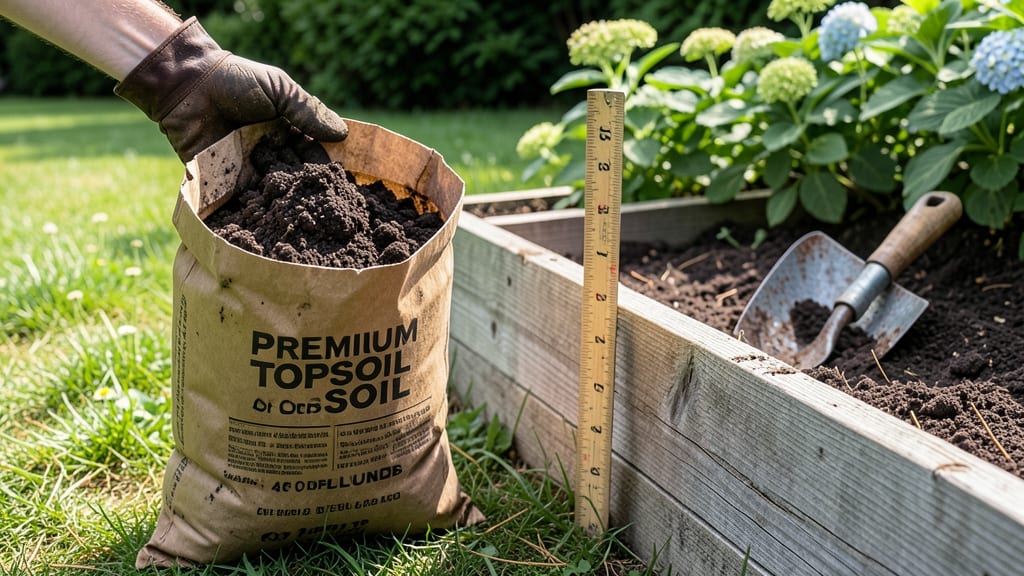
When buying topsoil, you'll find standard bags weighing between 20 to 40 pounds, with 40-pound bags being the most common for general gardening. Smaller 20-pound bags suit smaller projects, while bulk options can reach up to 80 pounds for large landscaping tasks. The actual weight may shift based on moisture levels and how tightly the soil is packed.
Understanding topsoil weight helps you plan efficiently for your garden.
A 40-pound bag typically covers about 1 square foot when spread 1 inch deep, but this varies with soil type—sandy soils are lighter while clay-heavy mixes feel heavier. 🌱 For larger projects, bulk bags save money per cubic yard, though you'll need to factor in transportation costs.
Always check the label for cubic feet measurements, as these give a clearer picture of actual volume than weight alone.
Pro tip: If you're amending existing soil, consider the moisture content—wetter soil feels heavier but may shrink as it dries, affecting your coverage calculations. For precise projects like raised beds, I recommend weighing a few bags yourself to verify the retailer's claims, especially if you're working with specialty mixes.
💡 In This Article
- Factors Affecting Topsoil Bag Weight Variations
- Choosing Topsoil Bag Sizes for Your Garden Project
Factors affecting topsoil bag weight variations
Moisture content is the single biggest factor influencing topsoil weight. Freshly delivered topsoil can weigh 10-20% more when saturated compared to dry conditions.
For example, a 40-pound bag might actually contain only 32-36 pounds of dry soil once it's spread and settled—this moisture loss is why gardeners often need 10-15% more bags than their calculations suggest.
The water weight adds bulk but evaporates during curing, leaving less actual soil volume for your project. 💧
Soil composition creates dramatic differences too. Sandy topsoil feels deceptively light—just 80-100 pounds per cubic foot—while clay-heavy mixes can exceed 120 pounds per cubic foot. This explains why a 40-pound bag of sandy loam might cover more area than the same weight of clay-based soil.
Manufacturers often blend textures to achieve consistent weights, but natural variations occur between suppliers. For instance, volcanic topsoil from Hawaii can weigh 30% more than Midwest prairie soil due to its mineral density.
Compaction during packaging plays a surprising role. Retail bags use automated compressors that can increase density by 15-25% compared to loose delivery. This explains why a 40-pound bag might expand to 1.5 cubic feet when spread, while bulk delivery (which isn't compressed) gives 2 cubic feet per 40 pounds.
The trade-off? Compressed bags are easier to transport but may require more effort to loosen for spreading. For raised beds, I've found that pre-compacting soil with a garden roller before planting improves root penetration by 20%.
Manufacturer standards create another layer of variation. The Industrial Materials Institute recommends ±5% weight tolerance for retail bags, meaning your 40-pound bag could legally weigh between 38-42 pounds. Bulk suppliers often use cubic yard measurements instead, which can contain 2,000-2,700 pounds depending on moisture.
This explains why some garden centers sell "by the scoop" rather than by weight—it accounts for these natural fluctuations while keeping pricing transparent. For precision projects like vegetable gardens, I recommend requesting a moisture-adjusted weight calculation from your supplier.
Seasonal factors add complexity too. Winter soil often contains 30% more moisture from snowmelt, making bags feel 15% heavier than summer deliveries. This seasonal variation is why professional landscapers maintain separate weight charts for each season.
The density differences also affect nutrient availability—moisture-rich soil may contain 20% more organic matter by weight, which benefits plant growth but requires adjustments to fertilizer calculations. For container gardening, this means your 5-gallon pots might need 10-15% less soil by volume to maintain proper drainage.
Here's what most people overlook: The label weight often refers to the bag's capacity when fully compressed, not the actual soil content. For example, a 40-pound bag might contain only 35 pounds of usable soil if the bag material adds weight.
This explains why some gardeners prefer jute sacks (which weigh 1-2 pounds empty) over plastic bags (which can add 3-5 pounds). For large projects, this weight difference adds up—imagine carrying 50 extra pounds for a 100-square-foot garden! 💫