
Light Requirements
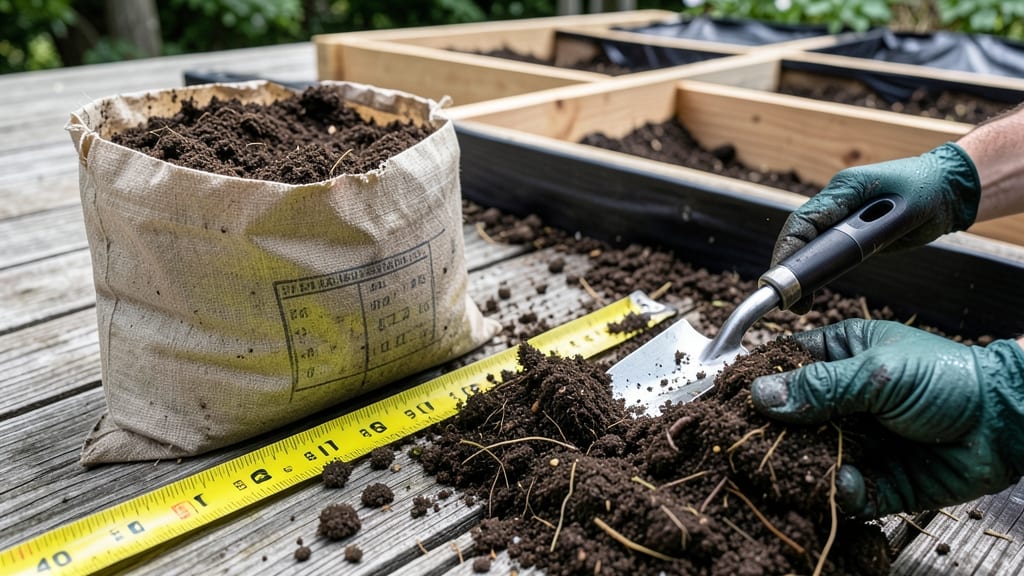
Figuring out how much garden soil you need saves you money and prevents a mid-project scramble for more. 🌱 I used to eyeball it and end up with either too much dusty soil or not enough to finish the job—until I learned the simple math that turns guesswork into precision.
The right amount means your plants get the perfect foundation, whether you're filling a raised bed or topping off a flower bed.
Start by measuring your space in square feet, then multiply by the depth you want (usually 6-12 inches for most plants). For example, a 4'x8' raised bed with 10-inch depth needs about 2.7 cubic feet of soil per inch of depth—so roughly 27 cubic feet total.
A quick online calculator can do this math for you, but knowing the basics helps you adjust for odd shapes or partial bags.
You’ll avoid common mistakes like buying too much heavy soil that compacts or not enough to finish the job. The payoff? Plants that thrive from day one, with roots that spread into loose, nutrient-rich soil instead of struggling against poor prep.
And if you’re mixing your own blend, this method ensures you’re using the right proportions of compost, topsoil, and amendments.
This works for everything from small containers to large in-ground gardens. Once you master the calculation, you’ll never second-guess your soil order again—and your plants will thank you with stronger growth and bigger harvests. Ready to get the measurements right?
📚 In This Guide
- What you need
- Instructions
- Tips and common mistakes
- Wrapping up and next steps
What you need
- ● Garden soil: Quantity depends on your project (see calculations below). Use high-quality potting mix or topsoil (avoid pure clay or sandy soil unless amending). Pro tip: For containers, opt for lightweight, well-draining mixes (e.g., 60% peat/coir, 30% perlite, 10% compost). 🌱
- ● Compost or organic matter: 20–30% of your soil mix (e.g., 1 part compost to 3 parts soil). Boosts nutrients and structure.
- ○ Amendments (optional but helpful): Perlite/vermiculite: 1–2 cups per 5-gallon bucket of soil (for aeration).
- ● Sand (coarse): 1 part per 3 parts soil (if your soil is heavy clay).
- ● Slow-release fertilizer: 1–2 tbsp per 5-gallon bucket (e.g., 10-10-10 or organic options).
- ● Measuring tools: Tape measure or ruler (for containers/plots).
- ● Wheelbarrow or 5-gallon bucket (for mixing/transport).
- ● Mixing tools: Garden shovel, trowel, or a sturdy pitchfork (for large batches).
- ● Protective gear: Gloves, knee pads, and a dust mask (if handling heavy soil).
- ● Measure your planting area (length × width × depth).
- ● Check your soil’s drainage—amend if compacted or waterlogged. 💡
- ● Decide if you’re planting directly in the ground or using containers (soil needs vary!).
Step-by-step guide to calculating garden soil for any project
Here’s how I figure out soil amounts—no guesswork, just easy math for containers and garden beds.
🪴 Step 1: Measure Your Containers or Garden Bed
Start by measuring the space where you’ll add soil. For pots, check the diameter and depth—most standard 12-inch pots hold about 3 gallons of soil. Multiply the number of pots by 3 to get your total. For garden beds, measure length × width × depth (in feet), then multiply by 27 (the number of cubic feet in a cubic yard).
For example, a 4-foot by 8-foot raised bed filled 12 inches deep needs 1.3 cubic yards of soil. I always round up to ensure I have enough—running short means extra trips to the garden center.
📏 Step 2: Adjust for Existing Soil or Amendments
If you’re planting in an existing garden bed, don’t assume you need fresh soil everywhere. Test the top 6 inches—if it’s loose and crumbly, you might only need 2-3 inches of new soil mixed in. For containers, always use fresh potting mix unless you’re top-dressing established plants.
I like to blend 1 part new soil with 2 parts existing soil for garden beds. This saves money and reduces waste. For containers, though, fresh soil is a must—old soil compacts and drains poorly.
☀️ Step 3: Account for Plant Size and Root Space
Small plants like herbs or salad greens need 1-2 gallons of soil per container. Medium plants (tomatoes, peppers) thrive in 3-5 gallons, while large shrubs or trees require 10+ gallons or more. For garden beds, space plants 12-24 inches apart—this determines how much soil you’ll need to fill gaps between them.
I always err on the side of extra soil for root crops like carrots or potatoes. These need deep, loose soil to grow properly, so I add an extra 4-6 inches of topsoil where they’ll go.
💧 Step 4: Calculate for Mulch or Top-Dressing
If you’re adding mulch or compost as a top layer, plan for 2-3 inches spread evenly over the bed. For a 4x8-foot bed, that’s about 1 cubic foot of material. I like to use straw or shredded leaves for mulch—they break down slowly and improve soil over time.
For compost, a 1-inch layer every few months keeps soil healthy without smothering plants. Spread it thinly and work it into the top inch of soil to avoid compacting the roots.
⏰ Step 5: Buy with a Buffer for Settling and Mistakes
Soil settles after watering, so always buy 10-15% more than your calculations. A bag of soil labeled "2 cubic feet" actually yields closer to 1.8 cubic feet once settled. I also add an extra bag if I’m unsure—I’d rather have leftovers than scramble mid-project.
Check delivery options too. Bulk soil is cheaper but heavier—some garden centers deliver for a fee. If you’re hauling it yourself, a wheelbarrow makes the job easier. For large projects, rent a trailer to avoid multiple trips.
Tips & tricks for perfect garden soil calculations
Here's what I've learned after filling too many garden beds with not enough soil—trust me, you'll thank me later.
Container Size Shortcuts: For quick calculations, remember that a standard 12-inch pot holds about 3 gallons of soil. If you're planting multiple pots, multiply that by the number of pots. For example, 6 pots would need 18 gallons total. This simple rule saves me from measuring each pot individually every time.
Visual Depth Check: When measuring depth for garden beds, use your hand as a guide. A standard handspan (about 6 inches) is a good rule of thumb for most plants. For root crops like carrots or potatoes, add an extra 2-3 inches of soil depth to ensure they have room to grow properly without getting crowded.
Soil Type Matters: Different soil types settle differently. Topsoil is heavier and settles more than compost or potting mix. If you're mixing soil types, account for this by adding an extra 5-10% to your total volume. For example, if your calculation calls for 1 cubic yard, consider buying 1.1 cubic yards to be safe.
Mulch Math: When calculating mulch needs, remember that 1 cubic foot of mulch covers about 12 square feet when spread 1 inch deep. For a 4x8-foot bed, you'll need about 1 cubic foot of mulch for a 2-inch layer. I always buy mulch in bulk bags and measure out what I need to avoid waste.
Pro Tips for How Much Garden Soil Do I Need
- Here's what I've learned after filling too many garden beds with not enough soil—trust me, you'll thank me later.
- Container Size Shortcuts: For quick calculations, remember that a standard 12-inch pot holds about 3 gallons of soil.
- Visual Depth Check: When measuring depth for garden beds, use your hand as a guide.
Frequently asked questions
Got questions about garden soil? You’re not alone!
Whether you're prepping for a small herb garden or a sprawling flower bed, these answers will help you calculate, store, and use soil like a pro.
How do I calculate soil for raised garden beds?
Measure your bed’s length × width × depth (in feet), then multiply by 0.00833 to convert cubic feet to cubic yards. For example, a 4’x8’ bed filled 12” deep needs about 2.1 cubic yards of soil. Pro tip: Buy 10% extra to account for settling!
Can I reuse old garden soil?
Yes, but with caution! Sift out debris (rocks, roots) and mix with 20-30% fresh compost to replenish nutrients. Avoid reusing soil from diseased plants—sterilize with heat (212°F for 30 mins) or solarization (cover with plastic for 4-6 weeks).
Is topsoil or potting mix better for in-ground planting?
For in-ground gardens, topsoil is ideal—it’s nutrient-rich and drains well. Potting mix is lighter and best for containers or seed-starting. Mix topsoil with compost (1:1 ratio) for even better results. Save money by blending your own: 60% topsoil, 30% compost, 10% perlite.
How do I store leftover soil without it drying out?
Keep soil in a covered bin or tarp under shade to prevent drying. For long-term storage, add a sprinkle of water (like damp sand) and cover tightly. Avoid plastic bags—soil retains too much moisture and can mold. Bonus: Label bags with the date and contents (e.g., “Tomato Bed Mix – 2024”).
What if my plants look unhealthy after planting?
Check for three common issues:
- Poor drainage: Amend soil with perlite or sand.
- Nutrient deficiency: Add a slow-release fertilizer or compost.
- Overwatering: Let soil dry slightly between waterings.
Wrapping up and next steps
Calculating the right amount of garden soil for your project doesn’t have to be a guess—it’s all about measuring your space and knowing your plants’ needs! 🌱 Whether you’re filling raised beds, repotting, or amending soil, breaking it down into simple steps ensures you’re prepared without overbuying. Now that you’ve got the know-how, it’s time to roll up your sleeves and get growing!
Start small—pick one project, gather your supplies, and enjoy the satisfaction of seeing your garden thrive. Need a little extra confidence? Try sketching a rough layout first! Happy planting! 🌿