
Light Requirements
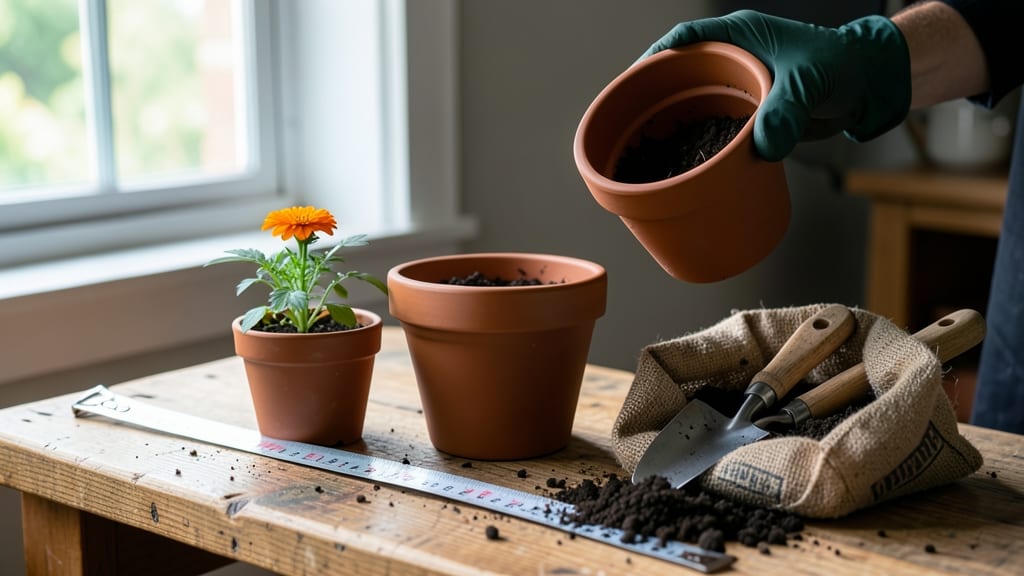
To determine how much soil you need for pots, calculate based on pot diameter and plant type: fill to 1-2 inches below the rim for most plants, using 1 part soil per 1 part pot volume for standard containers. Larger pots or deep-rooted plants need extra soil depth and volume.
Calculating soil volume starts with your pot's dimensions—multiply diameter by depth (in inches) and divide by 2 to estimate cubic inches, then convert to quarts or gallons. 🌱 For example, a 12-inch-wide pot with 12-inch depth needs roughly 7 quarts of soil, but deep-rooted plants like lavender may require 20% more.
Always account for drainage layers (pebbles or broken pots), which take up 10-15% of the pot's height.
Soil type matters too: lightweight mixes (like peat-based blends) reduce volume needs by 10-20% compared to heavier garden soil, while moisture-loving plants need extra soil to retain water. 💧 I recommend pre-moistening soil before filling pots—this helps settle it and prevents air pockets that stunt root growth.
For heavy pots, consider adding perlite or vermiculite to lighten the mix without sacrificing drainage.
💡 In This Article
- Calculating Soil Volume by Pot Size and Root Depth
- Soil Type and Plant-Specific Adjustments for Potted Gardens
Calculating soil volume by pot size and root depth
Understanding how much soil fits in a pot starts with its shape—most containers are cylindrical, so volume depends on both diameter and depth. Think of it like a math problem: multiply the pot's diameter (in inches) by its depth, then divide by 2 to estimate cubic inches.
For example, a 10-inch-wide pot that's 10 inches deep holds about 5 quarts of soil (roughly 1.2 gallons), while a 14-inch pot of the same depth needs 8 quarts. This is why taller pots often require more soil than you might expect—they prioritize root depth over width. 🌱
Root depth is the secret sauce here. Annuals like petunias or basil thrive in shallow soil (6-8 inches), but perennials such as lavender or rosemary need 12-18 inches to establish strong root systems. Deep-rooted plants also benefit from a 10-15% extra soil volume to accommodate future growth.
For instance, a 12-inch pot filled to the brim for a basil plant might need only 6 inches of soil, leaving room for drainage, while the same pot for a lavender would require 10-12 inches of soil.
Always account for a 1-2 inch gap at the top to prevent soil spillage during watering.
Drainage layers are non-negotiable—they take up 10-15% of the pot's height and can drastically alter your soil volume calculations. A 12-inch-deep pot with a 2-inch drainage layer (pebbles or broken pottery) leaves only 10 inches for soil.
This means you'll need about 6 quarts of soil instead of the 7 quarts you'd calculate for a fully filled pot.
Pro tip: Use a measuring cup or digital scale to weigh soil before filling—most potting mixes weigh 1 pound per quart, making it easy to adjust for precision. 💧
Plant type also dictates soil volume needs. Succulents and cacti thrive in minimal soil (just enough to anchor roots), while moisture-loving plants like ferns or calatheas need 20-30% more soil volume to retain water.
For example, a 6-inch pot for a snake plant might hold 1.5 quarts of soil, but the same pot for a calathea would require 2 quarts.
This is because calatheas have dense root systems that need consistent moisture, while snake plants store water in their leaves and need well-draining, airy soil. Always match soil volume to the plant's natural growing conditions.
Here’s a quick reference for common pot sizes and their approximate soil needs:
- 6-inch pot: 1-1.5 quarts (ideal for herbs or small succulents)
- 10-inch pot: 4-5 quarts (perfect for medium-sized plants like peppers or small shrubs)
- 14-inch pot: 8-10 quarts (great for large perennials or small trees)
- 18-inch pot: 15-20 quarts (needed for deep-rooted plants like lavender or citrus trees)
For accuracy, always fill pots in layers: start with a 1-inch drainage layer, then add soil in 2-inch increments, gently pressing it down to eliminate air pockets. This method ensures roots grow evenly and prevents compaction, which can suffocate roots over time. 🌿