
How To
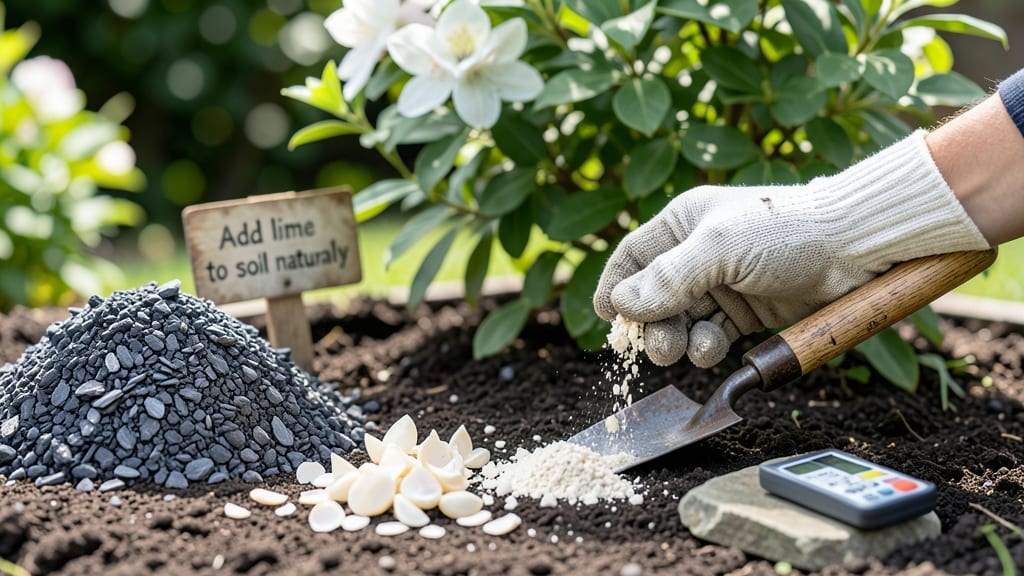
How to add lime to soil naturally—my pH problems vanished after switching to natural sources, with no chemical burns and just stronger plants. 🌱 The key is patience and the right materials: crushed eggshells, wood ash, or even oyster shell grit. These alternatives slowly raise pH without the harshness of store-bought lime.
Start with a soil test to know your exact needs—most acidic soils need 1-2 pounds of lime per 100 square feet for mild correction. Eggshells take 3-6 months to break down, while wood ash works faster but needs careful measurement. Spread evenly and lightly water to help it integrate.
You'll notice healthier green growth in 4-8 weeks, especially on acid-loving plants like blueberries and azaleas. The soil smells fresher, and earthworms return in higher numbers. Just avoid overdoing it—too much lime can lock out essential nutrients just as effectively as too little.
Works for vegetable gardens, flower beds, and even houseplants in pots. The secret is consistency: small, regular applications keep pH balanced without shocking your plants. Here's how to do it right the first time.
📚 In This Guide
- What you need
- Instructions
- Tips and common mistakes
- Wrapping up and next steps
What you need
- ● Garden lime (calcium carbonate): Quantity: 1–2 lbs per 100 sq ft (adjust based on soil test results—see 💡 pro tip below). Type: Pelletized lime (easier to spread) or agricultural lime (faster-acting). Specifications: Look for 90–100% calcium carbonate (CaCO₃) for pure pH adjustment.
- ● Soil pH test kit: Digital or DIY test strips to measure current pH (ideal range for most plants: 6.0–7.0).
- ● Gloves: Nitrile or rubber gloves (to protect hands from lime dust).
- ○ Broadcast spreader: Manual or drop-type (for even distribution; optional but highly recommended).
- ● Garden hose with nozzle: For light watering after application (avoids clumping).
- ● Garden fork or tiller: To lightly incorporate lime into the top 2–3 inches of soil.
- ● Wood ash: A natural, mildly alkaline alternative (use sparingly—1 cup per 100 sq ft max). Best for acidic soils below pH 6.0.
- ● Crushed eggshells: Slow-release calcium source (requires 6+ months to break down; 1 cup per plant).
- ● Compost or well-rotted manure: Helps buffer pH changes over time (mix 1–2 inches into soil after liming).
- ● Rain gauge or weather app: To avoid applying lime before heavy rain (can wash it away).
Step-by-step guide for raising soil pH naturally
Here’s how to safely raise your soil’s pH using organic methods that won’t harm plants or soil life.
🌱 Step 1: Test Your Soil’s Current pH
Before adding lime, test your soil’s pH using a home kit or send a sample to your local extension office. Most acid-loving plants thrive at pH 5.0-6.5, while vegetables and lawns prefer 6.0-7.5. Aim to raise pH by 0.5-1.0 units—any more risks overcorrecting and harming plants.
Dig a 6-inch-deep sample from multiple spots in your garden, mix the soil, and test it. If your pH is below 6.0, you’ll need to amend it. Record the results—this tells you exactly how much lime to apply. I always retest after 2-3 months to confirm the adjustment.
🪴 Step 2: Choose the Right Organic Lime Source
Skip powdered lime—it’s too aggressive and can burn roots. Instead, use pelletized dolomitic lime or crushed eggshells for a gentle, natural boost. Dolomitic lime contains magnesium, which helps prevent deficiencies, while eggshells break down slowly without altering soil texture.
For 100 square feet of garden, use 5-10 pounds of dolomitic lime (check the label for exact rates). If using eggshells, bake and crush 5-6 dozen to create a fine powder. Both options work best when worked into the top 4-6 inches of soil.
✂️ Step 3: Apply Lime Evenly and Work It In
Spread the lime or eggshell powder evenly over the soil surface using a broadcast spreader or by hand. For precision, divide your garden into sections and apply lime to each area separately. Avoid piling it in one spot—this creates hot spots that can damage roots.
Use a garden rake to work the lime into the top 2-3 inches of soil. Lightly scratch the surface to encourage contact with soil particles. Water the area lightly afterward to help dissolve the lime and distribute it evenly. Avoid heavy watering—it can wash lime deeper than needed.
💧 Step 4: Monitor and Retest After 2-3 Months
Lime doesn’t work instantly—it takes time to react with soil acids. Wait 8-12 weeks before retesting your soil’s pH. If the adjustment wasn’t enough, repeat the process with a slightly smaller amount. Overliming can raise pH too high, making nutrients like iron and manganese unavailable to plants.
Watch your plants for signs of improvement: blueberries and azaleas will produce more flowers, and vegetables like tomatoes and peppers will grow stronger. If you notice yellowing leaves or stunted growth, your soil may still be too acidic—reassess and adjust gradually.
☀️ Step 5: Maintain Balanced Soil Long-Term
Natural pH adjustments aren’t permanent—rain, organic matter breakdown, and plant uptake will gradually lower pH again. Every 6-12 months, retest your soil and reapply lime if needed. For ongoing balance, mix in compost (which buffers pH) and avoid over-fertilizing with acidic amendments like peat moss.
Rotate crops and avoid planting heavy lime-lovers like Brussels sprouts and cabbage in the same spot year after year. Instead, alternate with legumes or grasses, which help stabilize pH naturally. This keeps your soil healthy without constant amendments.
Tips & tricks for natural soil pH adjustment
These practical insights will help you avoid common pitfalls and maximize your soil's responsiveness to organic amendments.
Soil Testing Precision: When collecting your 6-inch-deep soil sample, take at least 5-6 core samples from different garden areas and mix them thoroughly. This composite sample gives a more accurate representation of your soil's overall pH than spot testing. I've seen home gardens where one side tested at pH 5.2 while the other was 6.8—this variation explains why some plants thrive while others struggle.
Lime Application Strategy: For the 5-10 pounds of dolomitic lime per 100 square feet, divide your garden into 25-square-foot sections and apply lime to each individually. This prevents overapplication in one area while ensuring full coverage. When using crushed eggshells, aim for a slightly finer grind than dolomitic lime since eggshells dissolve more slowly. I crush mine in a food processor for even distribution.
Timing Your Adjustments: The 2-3 month retest window is critical because lime needs time to react with soil acids. In cooler climates, you might need to extend this to 4 months—lime works slower when soil temperatures stay below 50°F. I always mark my calendar with the original test date to remember when to retest. Don't be tempted to check sooner; premature testing gives false results.
Long-Term Soil Health: The compost recommendation in Step 5 isn't just about pH buffering—it also improves soil structure and microbial activity. Aim for 2-3 inches of compost worked into the top 6 inches of soil annually. This creates a natural pH-stabilizing environment while adding organic matter. I've found that gardens with consistent compost applications need lime less frequently over time.
Pro Tips for Add Lime To Soil Naturally
- These practical insights will help you avoid common pitfalls and maximize your soil's responsiveness to organic amend...
- Soil Testing Precision: When collecting your 6-inch-deep soil sample, take at least 5-6 core samples from different g...
- Lime Application Strategy: For the 5-10 pounds of dolomitic lime per 100 square feet, divide your garden into 25-squa...
Frequently asked questions
Got questions about naturally liming your soil?
You’re not alone! Here are answers to the most common concerns—from timing to troubleshooting—so you can garden with confidence.
When is the best time to add lime to soil?
For most plants, apply lime in early spring (before planting) or late fall (after harvest). This gives it time to work into the soil before the growing season. Avoid adding lime right before planting acid-loving crops like blueberries or azaleas—they’ll need extra time to adjust their pH.
How long does it take for lime to change soil pH?
Lime’s effects vary by soil type and climate. In sandy soil, changes may appear in 1–3 months, while clay soil can take 6 months or longer. Test your soil 2–3 months after applying lime to check progress. Patience pays off—rushing can lead to over-liming!
Can I use regular kitchen lime (citrus) instead of garden lime?
Nope! Kitchen lime (citric acid) is for cooking, not soil. Garden lime is made of calcium carbonate (or dolomitic lime), which safely raises pH. If you’re set on natural options, try crushed eggshells (baked and ground) or wood ash (from untreated wood)—but test soil first!
Will rain wash away lime before it works?
Light rain won’t harm lime, but heavy downpours can temporarily suspend particles. Work lime into the top 1–2 inches of soil and water it in lightly after application. If your area gets frequent storms, split applications into two doses (e.g., spring and fall) for steady results.
My plants look burned after adding lime—what went wrong?
Over-liming or applying lime too close to roots can cause chemical burns. If you see yellowing leaves or wilting, flush the soil with water and avoid liming for 3–6 months. Always test soil pH first (aim for 6.0–7.0 for most veggies) and follow package rates—more isn’t better!
Does lime work for all types of soil?
Lime is most effective in acidic soils (pH below 6.0). If your soil is already neutral or alkaline (pH 7.0+), lime may not help—and could even make problems worse. Test your soil with a DIY kit or lab test before applying. For alkaline soils, focus on organic matter (compost) instead.
Pro tip: Keep a soil journal! Note when you lime, how much you used, and your soil test results. This helps you fine-tune future applications and avoid guesswork.
Wrapping up and next steps
Adding lime to your soil naturally is a simple yet powerful way to boost pH levels and create a thriving garden—without harsh chemicals! 🌱 Whether you’re using crushed oyster shells, wood ash, or garden lime, each method offers unique benefits for your plants.
Start small, test your soil regularly, and watch your garden flourish with balanced, happy roots.
Ready to take the next step? Grab a soil pH test kit and monitor your progress—your plants will thank you!