
How To
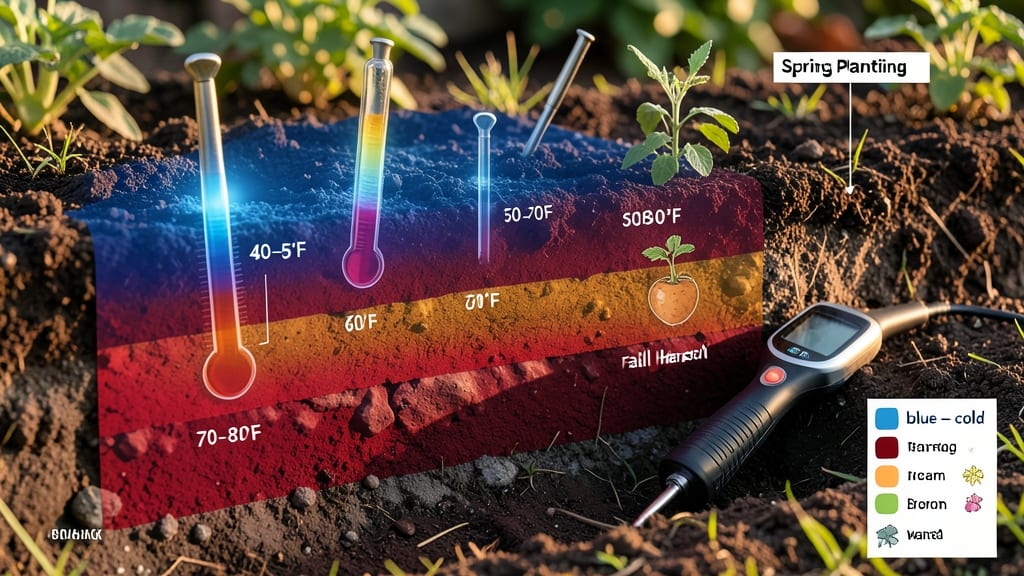
Soil temperature maps reveal optimal planting zones by tracking underground warmth, which determines when seeds will sprout and plants will thrive. These maps focus on readings at a 4-inch depth in either Fahrenheit or Celsius.
Understanding these maps means knowing that different plants have specific warmth requirements to activate germination.
For example, warm-season crops like tomatoes need soil temperatures above 60°F to sprout, while cool-season vegetables such as spinach can germinate in soil as cool as 40°F. 🌱 The maps help you avoid planting too early when soil is still cold, which can lead to poor germination or even seed rot.
Many gardeners rely on these tools to time their planting schedule precisely, especially in regions with unpredictable spring weather.
Beyond just planting timing, soil temperature also affects root development and overall plant health. Warmer soil encourages stronger root systems, while cold soil can stunt growth or make plants more susceptible to disease.
That's why these maps aren't just about when to plant—they're about creating the best possible conditions for your garden's success from day one.
💡 In This Article
- How Soil Temperature Affects Seed Germination
- Where to Find Accurate Soil Temperature Data
How soil temperature affects seed germination
Soil temperature triggers germination through a biochemical process called enzyme activation. Seeds contain enzymes that remain dormant until warmth reaches specific thresholds.
For warm-season crops like tomatoes, peppers, and cucumbers, temperatures need to hit 60-70°F—this warmth activates amylase enzymes that break down starches into sugars, fueling the seed's energy needs to sprout.
Cool-season crops such as lettuce, spinach, and peas, however, germinate best at 40-55°F, where different enzymes become active under cooler conditions. 🌱
The science gets even more precise when you consider that soil temperature affects oxygen availability in the seed's microenvironment. Warmer soil increases microbial activity, which can deplete oxygen levels—this is why some seeds (like beans) need slightly cooler soil (65°F) to avoid suffocation during germination.
Meanwhile, warm-season seeds often require consistent warmth (above 60°F for 5+ days) to prevent uneven sprouting or "peppering" (multiple weak seedlings emerging).
Think of soil temperature like a thermostat for plant development. For example, corn seeds won't germinate below 50°F, while sweet potatoes need 70-80°F to break dormancy.
This explains why gardeners in Zone 5 might wait until late May to plant tomatoes, even if frost danger has passed—cool soil in April would leave seeds sitting dormant or rotting.
The maps help you avoid this by showing when your soil has reached the critical warmth threshold for your specific crops.
Beyond germination, soil temperature influences root growth direction. Roots naturally grow toward warmer soil (a phenomenon called thermotropism), which is why deep-planted seeds often develop stronger root systems in warmer conditions.
This is particularly important for transplants—cool soil can cause roots to grow sideways instead of downward, leading to weaker plants. 🌿 For instance, pepper transplants in 50°F soil may struggle to establish roots until the ground warms to 65°F or higher.
Here's a practical comparison: Planting warm-season crops in 55°F soil (just below their threshold) can result in germination rates dropping by 30-50%, while planting in 70°F soil may see germination rates exceed 90%.
The difference isn't just about speed—it's about whether the seedling can access enough energy to break through the soil surface. This is why soil temperature maps often include color-coded warnings for regions where spring warmth arrives late.
What most gardeners don't realize is that soil type affects temperature retention. Sandy soil heats up faster but cools quickly, while clay holds warmth longer. This means the 4-inch depth measurement (standard for maps) might not reflect surface conditions where seeds are planted.
For example, a 65°F reading at 4 inches could mean surface soil is 55°F—cold enough to delay germination of warm-season crops. Always check surface temps with a soil thermometer before planting.