
How To
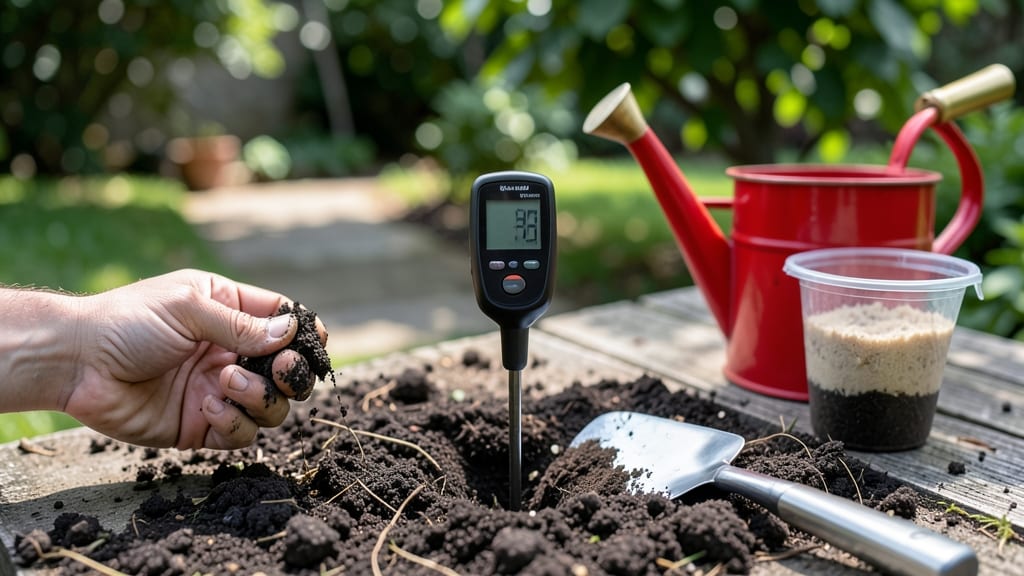
Checking soil moisture with your fingers is the simplest way to avoid drowning your plants—or letting them thirst. 🌱 I’ve saved more than a few struggling seedlings by learning when to water, and it only takes a few seconds.
The secret lies in feeling the texture: damp but not soggy, like a wrung-out sponge, is exactly what most plants crave.
Start by pushing your finger 1-2 inches deep into the soil—this is where plant roots actively drink. If it feels dry at this depth, it’s time to water; if it’s sticky or cold, you’ve overdone it.
Season matters too: sandy soil dries faster in summer, while clay holds moisture longer in winter. Adjust your watering schedule based on what you feel, not just what the calendar says.
You’ll notice plants thrive when the soil stays consistently moist but never waterlogged. Leaves stay vibrant, roots grow strong, and you’ll stop guessing how much to water. For drought-loving succulents, wait until the soil is bone-dry before watering—just a different rhythm than moisture-lovers like ferns or lettuce.
Once you master the finger test, you can upgrade to tools like moisture meters for precision, but start here. This method works everywhere, from houseplants to vegetable gardens, and it’s the first step to perfectly moist soil that keeps your plants happy all season long.
📚 In This Guide
- What you need
- Instructions
- Tips and common mistakes
- Wrapping up and next steps
What you need
- ● Your hands: Clean, dry fingers (the best moisture sensors!)
- ○ Gloves (optional but helpful): A pair of nitrile or garden gloves (if you prefer not to get dirty).
- ● Small trowel or hand shovel: A 3–4 inch (7.5–10 cm) long tool to dig a shallow hole (1–2 inches deep).
- ● Notebook or phone: To jot down observations (e.g., "soil feels damp at 1 inch").
- ● Watering can or hose: For adjustments based on your findings.
- ● Soil moisture meter: A digital probe (like the Xiaomi Mi Flower Care) for a tech-savvy backup.
- ● Moisture chart: Print or save a soil texture guide (sandy vs. clay vs. loamy).
- ● Timer: A 30-second rule to wait before touching soil after watering (avoids false "wet" readings).
Step-by-step instructions for the finger-dip soil moisture test
Here's how I check soil moisture every time—no guesswork, just perfect balance for your plants.
💧 Step 1: Choose the Right Time to Test
Check soil moisture in the morning after the sun has warmed the soil slightly—this gives you the most accurate reading. Avoid testing right after watering; you want to see how much moisture the plant has actually used. I like to test the same spot each time so I can track patterns over days or weeks.
If your plants are in containers, test the soil about 1 inch deep—this is where most roots are actively absorbing water. For in-ground plants, dig your finger 2-3 inches deep to reach the root zone. The top layer can dry out quickly, giving a misleading "dry" reading even when moisture remains below.
🌱 Step 2: Perform the Finger-Dip Test
Push your index finger about 1-2 inches deep into the soil, depending on your plant type. The soil should feel cool and slightly damp—not sticky or clinging to your finger. If it feels dry or crumbles easily, it's time to water. I usually do this test in the same spot each time to avoid confusing myself with inconsistent readings.
Pay attention to the texture: Ideal moisture feels like a damp sponge—it holds together when squeezed but doesn't feel soggy. If soil sticks to your finger and leaves a clear imprint, it's too wet. If it feels like sand or dust, it's too dry. This test works for almost any plant, from delicate herbs to hearty vegetables.
✂️ Step 3: Adjust Watering Based on Findings
If the soil feels dry at 1 inch deep, water thoroughly until moisture reaches 4-6 inches down. For container plants, water until you see excess moisture draining from the bottom. I always water slowly to let the soil absorb moisture evenly—no quick dumps that just run off the surface.
If the soil feels damp but not soggy, hold off on watering for another 2-3 days. Overwatering is just as harmful as underwatering, and the finger-dip test helps you strike that perfect balance. For thirsty plants like tomatoes or peppers, I might check again in 1-2 days, while succulents or cacti can wait a full week.
☀️ Step 4: Track Patterns Over Time
Keep a simple log of your moisture readings—just note whether the soil felt dry, moist, or soggy each time you tested. After a few weeks, you'll notice patterns based on your climate, plant types, and pot sizes. For example, I've found my basil needs watering every 2 days in summer, while my rosemary thrives on a 7-day schedule.
Adjust your watering routine based on what you learn. If your plants consistently feel dry by midweek, you might need larger pots or drought-tolerant varieties. If they're always soggy, improve drainage or switch to a faster-drying potting mix. The finger-dip test becomes your secret weapon for keeping plants perfectly hydrated without wasting water.
Tips & tricks for perfect soil moisture testing
Here's what I wish I knew sooner about keeping your finger-dip test foolproof every time.
Consistency is Key: Test the same spot each time—right next to the plant's stem or in the center of the container. I mark my testing spots with a small pebble or stick so I don't get confused later. This helps you track real patterns instead of getting mixed signals from different soil zones. The first time I skipped this, I watered my basil twice in one week because I tested different spots!
Seasonal Adjustments: Summer heat and winter chill change everything. In hot months, check container plants daily at the 1-inch mark, while in-ground plants might only need testing every 3-4 days at 2-3 inches. I keep a small notebook by my garden tools to jot down seasonal patterns—last summer, my tomatoes needed water every 2 days, but this winter, they're happy with 5-day intervals.
The Right Tool Matters: Your index finger is perfect, but if you have sensitive skin or arthritis, try a soil moisture meter or even a wooden skewer. For containers, I use a chopstick—it's sturdy and lets me test multiple spots without digging. Just remember, whatever you use should reach the root zone depth we talked about in Step 1.
Watch for Hidden Clues: Beyond the finger test, look at your plant's leaves. Yellowing at the edges often means underwatering, while drooping leaves that stay limp after watering signal overwatering. I pair my finger test with a quick leaf inspection—it's like having a second opinion from Mother Nature herself.
Pro Tips for Check Soil Moisture
- Here's what I wish I knew sooner about keeping your finger-dip test foolproof every time.
- Consistency is Key: Test the same spot each time—right next to the plant's stem or in the center of the container.
- Seasonal Adjustments: Summer heat and winter chill change everything.
Frequently asked questions
Got questions about checking soil moisture? You’re not alone! Here are answers to the most common queries to help you keep your plants thriving without the guesswork.
How often should I check soil moisture?
For most plants, check soil moisture every 2–3 days during hot/dry weather or when the top inch feels dry. Container plants dry out faster—monitor them daily if needed. Overwatering is just as harmful as underwatering, so adjust based on your plant type and climate!
What if my finger test feels unreliable?
If your soil is too dense (like clay) or too sandy, the finger test might not give clear results. Try a moisture meter for accuracy, or use the weight method: Lift your pot—if it feels light, it’s time to water. For heavy soils, press a screwdriver in and observe the dampness around it.
How long should I wait after watering to test?
Wait 30–60 minutes after watering to let excess moisture drain. Testing too soon can trick you into thinking the soil is drier than it is. Pro tip: Water deeply but less frequently—this encourages roots to grow deeper and improves accuracy when checking moisture later.
Can I use the finger test for all plants?
The finger test works for most houseplants and garden veggies, but succulents and cacti need a different approach—they thrive in dry soil. For these, stick your finger 2–3 inches deep; if it’s damp, wait longer. Always match your method to your plant’s natural habitat!
What if my plant’s leaves are yellow but the soil feels moist?
Yellow leaves with soggy soil often signal overwatering or poor drainage. Let the soil dry out completely, then repot if needed with a mix that drains well (like perlite or sand). Check for root rot by gently tugging the plant—if roots smell foul or are mushy, trim the damaged parts and replant.
Still stuck? Drop your question in the comments—we’re happy to help!
Wrapping up and next steps
Checking soil moisture with a simple finger-dip test is your secret weapon for thriving plants—no fancy tools required! 🌱 Whether you’re a beginner or a seasoned gardener, mastering this technique ensures your greens get just the right amount of hydration. Start experimenting today, and watch your garden flourish!
🌱 Next Steps:
- Track your soil over time to understand your plants’ unique needs.
- Upgrade to a moisture meter for larger gardens or precision.
- Share your tips with fellow plant lovers—community gardening is the best!