
Propagation
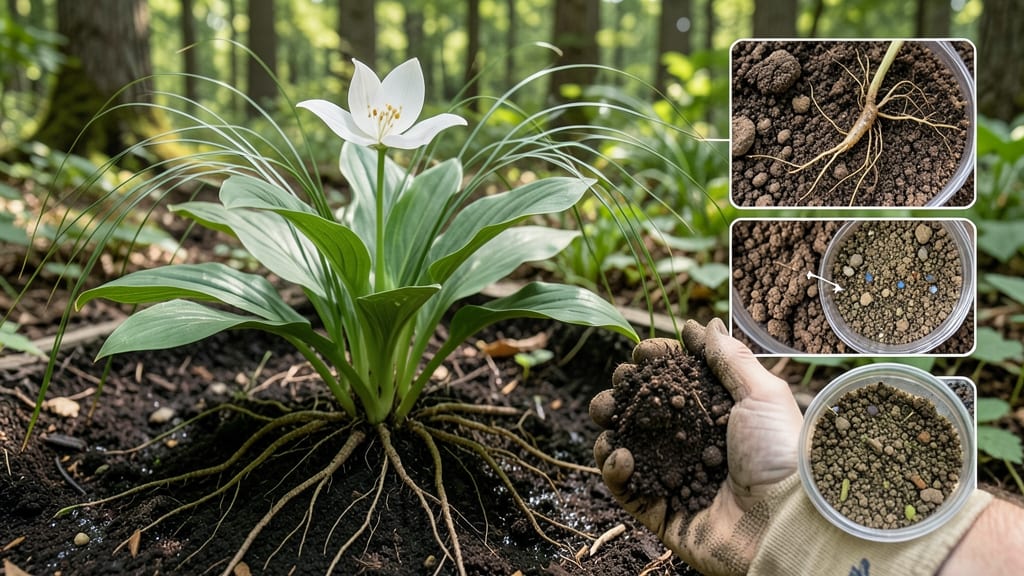
Soil and air work together by providing oxygen to roots while retaining moisture and nutrients—healthy soil structure with proper aeration ensures root respiration and microbial activity for robust plant growth and stability. Balance is key to preventing suffocation or drought stress.
Soil isn't just dirt—it's a living ecosystem where roots breathe through tiny air pockets.
Think of it like a sponge: too much water squeezes out the oxygen, while compacted soil traps carbon dioxide, suffocating roots. 🌱 I've seen firsthand how plants wilt when their soil can't "breathe," even with plenty of water.
The magic happens in the pore spaces: 25% air-to-soil ratio is ideal for most plants, though heavy clay soils need special attention.
This balance isn't static—it changes with seasons. During rainy periods, soil can become waterlogged, while summer heat dries it out too quickly. That's why I recommend testing your soil's aeration annually using a simple screwdriver test: if it won't penetrate easily, your roots are struggling.
The good news? Simple fixes like adding organic matter or using aeration tools can transform compacted soil into a thriving root environment.
💡 In This Article
- How Soil Aeration Supports Root Respiration
- Practical Ways to Improve Soil-Air Balance for Gardens
How soil aeration supports root respiration
Roots need oxygen just like we do—without it, they can't perform essential functions like absorbing nutrients or producing energy. Soil aeration works through a network of tiny air pockets between soil particles, which allow oxygen to diffuse down to root zones.
These pores make up about 25-30% of healthy soil's volume, creating a delicate balance where roots can "breathe" while still holding onto moisture and nutrients. When soil becomes compacted, these air spaces collapse, forcing roots to rely on less efficient oxygen diffusion through water-filled pores.
The science gets even more interesting when you consider microbial activity. Soil microbes consume oxygen at a rate of about 0.1-0.5 mg per gram of soil per hour, competing with plant roots for what little oxygen exists in waterlogged conditions.
This competition creates anaerobic zones where harmful bacteria thrive, producing toxic compounds like hydrogen sulfide that damage roots.
I've noticed this firsthand in my garden when overwatered areas develop that foul "rotten egg" smell—it's a clear sign roots are suffocating. 🌱 The key is maintaining that 25% air-to-soil ratio, which keeps oxygen levels above 10% by volume in the root zone.
Waterlogged soil presents another critical issue: oxygen solubility drops dramatically in water. While air contains about 21% oxygen, water only holds 0.001% by volume at room temperature. This means roots in saturated soil must work 21,000 times harder to get the same oxygen supply!
The impact shows in stunted growth—plants may still have green leaves but develop weak stems because their roots can't access sufficient oxygen for proper respiration. This is why even "water-loving" plants like willows or bald cypress need well-drained soil.
Soil structure plays a starring role here. Sandy soils drain too quickly, while clay soils hold water like a sponge but create impenetrable barriers. The ideal is loamy soil with a mix of sand, silt, and organic matter that creates those crucial air pockets while retaining moisture.
I've found that adding 2-3 inches of compost annually can transform compacted clay into soil that holds both air and water effectively. This structural improvement also enhances root exploration—roots grow where oxygen is available, and better aeration means they can spread deeper and wider.
Temperature affects this process too. Warmer soils increase microbial activity, which consumes more oxygen, while cooler soils slow down both root and microbial respiration.
That's why spring planting often works better than fall in many climates—the soil warms up enough to support active root growth without the oxygen competition from peak microbial activity.
The optimal soil temperature range for most plants is 60-75°F, where both roots and beneficial microbes can thrive without creating oxygen deficits. 🌿
One often-overlooked factor is the diurnal cycle. During the day, plant roots actively respire, consuming oxygen and releasing carbon dioxide. At night, this reverses as roots absorb oxygen and release less CO₂. This daily rhythm creates a natural airflow in well-aerated soils, helping maintain the oxygen supply.
In compacted soils, this natural ventilation breaks down, leading to what I call "root suffocation"—where plants appear healthy above ground but develop hidden root rot below.
Understanding this process helps explain why some plants thrive in different soil types. For example, blueberries need acidic, well-aerated soils because their roots are particularly sensitive to oxygen deprivation.
Meanwhile, drought-tolerant plants like lavender have evolved to handle lower oxygen conditions by developing extensive root systems that can seek out better-aerated soil layers. The lesson? Matching plants to soil types that support their specific oxygen needs is just as important as watering or fertilizing. ✨