
Shrubs
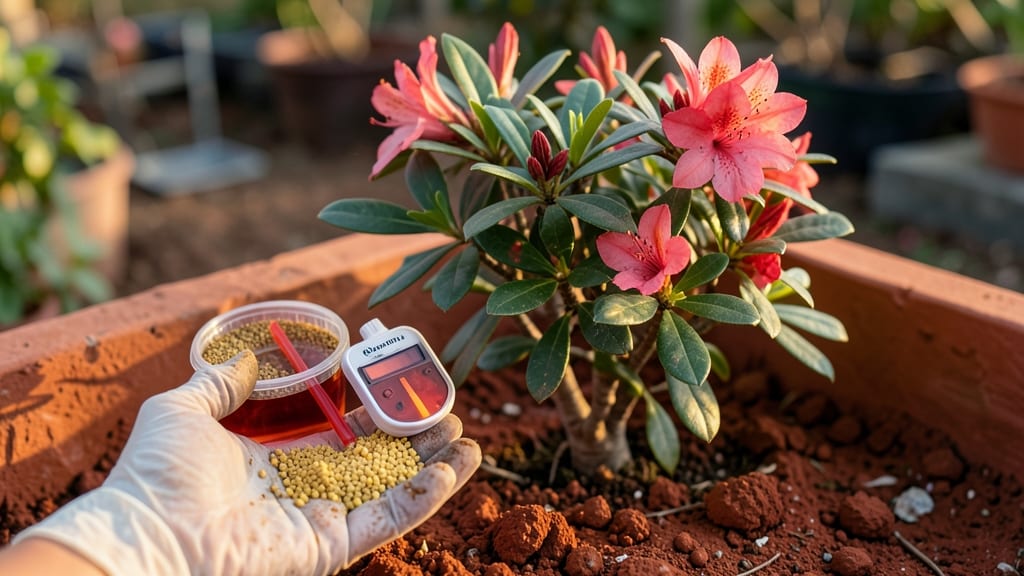
Red clay soil is acidic in most cases, typically falling between pH 5.5 and 6.5 due to its iron oxide content and natural mineral composition, though regional differences can push it toward neutral (7.0) in some areas.
This acidity comes from the soil's high iron content, which interacts with organic matter to create slightly acidic conditions. 🌱 The clay particles also hold nutrients tightly, making them more available to plants that thrive in acidic environments like azaleas, blueberries, and hydrangeas.
However, this same characteristic can limit growth for vegetables like tomatoes or peppers that prefer neutral to slightly alkaline soil.
Understanding your soil's exact pH is key—simple at-home test kits can reveal whether your red clay soil leans more acidic or neutral.
If you're growing plants that prefer different pH levels, organic amendments like crushed limestone (to raise pH) or elemental sulfur (to lower it) can help create the ideal growing conditions without harsh chemicals.
💡 In This Article
- How Red Clay Soil pH Affects Plant Growth
- Testing and Adjusting Red Clay Soil pH for Optimal Gardening
How red clay soil pH affects plant growth
The acidity in red clay soil primarily stems from its high iron oxide content, which reacts with organic matter to create a naturally acidic environment. This iron-rich composition gives the soil its signature reddish hue while also contributing to a pH range typically between 5.5 and 6.5.
The clay particles themselves are negatively charged, which helps retain essential nutrients like phosphorus and potassium—but this same property can also make certain nutrients less available depending on the pH level.
At this slightly acidic range, red clay soil becomes particularly beneficial for plants that thrive in acidic conditions. For example, blueberries require a pH between 4.5 and 5.5 to absorb iron properly, while azaleas and hydrangeas prefer 5.0 to 6.0.
The soil's natural acidity helps break down organic matter more efficiently, releasing nutrients gradually through microbial activity. However, this same environment can stress plants like tomatoes or peppers, which prefer a neutral to slightly alkaline pH (6.0 to 7.0) for optimal calcium and magnesium uptake.
The clay's dense structure also plays a role in how plants access nutrients. While the tight particle arrangement helps retain moisture and nutrients, it can create compaction issues that restrict root growth if not amended properly.
In acidic conditions, aluminum and manganese become more soluble, which can be toxic to plants in excess. This is why soil testing is critical—knowing your exact pH helps determine whether your red clay soil needs adjustments to avoid nutrient deficiencies or toxic buildup.
One unique aspect of red clay soil is its ability to buffer pH changes. The high iron content acts as a natural stabilizer, preventing drastic swings that can occur in sandy or loamy soils. However, this buffering effect means pH adjustments require more precise application of amendments.
For instance, adding lime to raise pH in clay soil may take 3 to 6 months to show noticeable effects, compared to 1 to 2 months in lighter soils.
Consider how different plants interact with this soil type.
Acid-loving plants like camellias and gardenias will flourish with minimal intervention, while vegetables may need raised beds or container gardening to achieve their preferred pH. The soil's natural acidity also supports beneficial microbes that decompose organic matter, creating a self-sustaining ecosystem—but only if the pH remains within the plant's optimal range.
For gardeners working with red clay, understanding these chemical dynamics helps explain why some plants thrive while others struggle. The key lies in balancing the soil's natural acidity with the specific needs of your crops, whether through organic amendments or strategic plant selection.