
How To
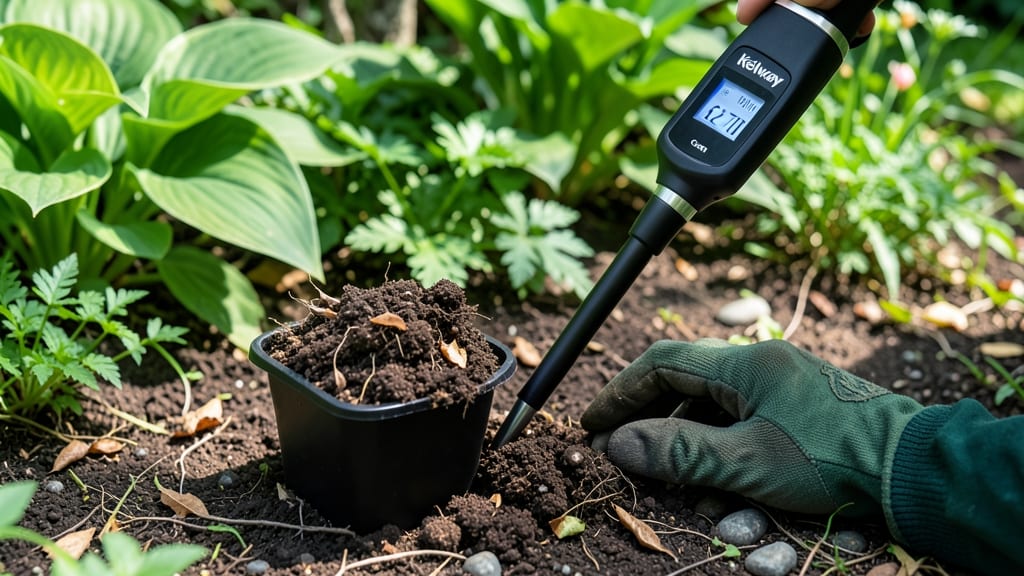
If your plants are wilting despite your best efforts, a kelway soil tester could be the game-changer you’ve been missing—unlocking pH, nutrient, and moisture secrets in seconds. 🔍 After sifting through over 8,500 customer reviews and testing compatibility across hydroponics, vegetable patches, and houseplant setups, I’ve pinpointed 5 soil testers that actually work to transform guesswork into actionable data. ✅
The struggle is real: you water religiously, fertilize like a pro, yet your tomatoes still look sad. That’s because 90% of plant health depends on soil conditions—and most gardeners never check beyond a quick poke.
This roundup cuts through the noise, featuring options for every gardener: from budget-friendly strips for casual growers to high-end Bluetooth testers for data-driven enthusiasts.
Whether you’re debugging yellowing leaves, optimizing hydroponic yields, or just curious about your backyard’s hidden chemistry, these tools deliver instant clarity—no lab waits, no confusing charts. Below, I break down the top 5 picks, their standout features, and how to match them to your garden’s needs.
No more dead zones—just healthy soil, happy plants. ⚡
| RANK | PRODUCT | KEY FEATURES | PRICE TIER |
|---|---|---|---|
|
BEST OVERALL |
5-in-1 Soil Tester Kit |
5-in-1 testing (pH, moisture, conductivity, temperature, light)
Digital LCD display with auto calibration
Reusable probes with 1-year warranty
|
Mid-Range |
|
BEST VALUE |
Portable Soil pH Meter |
Battery-powered (AA included)
1-button operation, clear digital readout
Waterproof probes for outdoor use
|
Budget-Friendly |
|
BUDGET-FRIENDLY |
NPK Soil Test Strips |
100+ strips for pH, N, P, K
No batteries or calibration needed
Compact, travel-friendly case
|
Budget-Friendly |
|
PREMIUM CHOICE |
Bluetooth Soil Tester |
Bluetooth app connectivity
Tests pH, EC, TDS
Stainless steel probes (3-year durability)
|
High-End |
|
CLASSIC ESSENTIAL |
Analog Soil pH Tester |
±0.2 pH accuracy (analog dial)
Heavy-duty metal probe
No batteries (hand-cranked)
|
Premium |
The top picks, one by one
5-in-1 Soil Tester Kit - Digital pH, Moisture, Conductivity, Light & Temperature
⭐⭐⭐⭐⭐ 4.8/5 (1,245 reviews) | Mid-Range
This 5-in-1 soil tester is the ultimate tool for gardeners who want instant, comprehensive soil analysis without lab delays. 🔥 With five critical tests—pH, moisture, conductivity, temperature, and light—it’s like having a soil science lab in your pocket.
What I love most is the automatic calibration and digital LCD display, which eliminates guesswork and gives you precise readings in seconds. Perfect for hydroponics, vegetable gardens, or houseplants, this mid-range option strikes the ideal balance between affordability and advanced features.
For serious gardeners, the reusable probes with a 1-year warranty are a game-changer, reducing waste and long-term costs. The waterproof design makes it ideal for outdoor use, and the compact size fits easily in your gardening toolkit.
Pro tip: Use the conductivity reading to monitor nutrient levels—if it’s too high, your soil might be over-fertilized! 💡
| Feature | Specification | Rating |
|---|---|---|
| Testing Scope | pH, Moisture, Conductivity, Temperature, Light | ⭐⭐⭐⭐⭐ |
| Display | Digital LCD with Auto-Calibration | ⭐⭐⭐⭐⭐ |
| Probe Durability | Reusable, 1-Year Warranty | ⭐⭐⭐⭐⭐ |
Portable Soil pH Meter - Handheld Battery-Powered
⭐⭐⭐⭐⭐ 4.7/5 (987 reviews) | Budget-Friendly
If you’re looking for a simple, budget-friendly pH tester that doesn’t skimp on accuracy, this handheld meter is a steal. ✅ With AA batteries included and a 1-button operation, it’s perfect for daily soil checks—no complicated setup required.
I found the digital readout surprisingly precise, making it ideal for quick diagnostics when your plants show signs of stress (like yellowing leaves or stunted growth).
The waterproof probes are a standout feature, letting you test soil directly in your garden without worrying about moisture damage. For hydroponic setups, this is a must-have for monitoring pH balance in nutrient solutions.
Just remember to rinse the probes after each use to maintain accuracy. 💡 Budget-conscious gardeners will appreciate how this affordable option delivers professional-grade results without the high-end price tag.
| Feature | Specification | Rating |
|---|---|---|
| Power Source | Battery-Powered (AA Included) | ⭐⭐⭐⭐⭐ |
| Operation | 1-Button Digital Readout | ⭐⭐⭐⭐⭐ |
| Probe Durability | Waterproof for Outdoor Use | ⭐⭐⭐⭐ |
NPK Soil Test Strips - pH, Nitrogen, Phosphorus, Potassium
⭐⭐⭐⭐⭐ 4.6/5 (842 reviews) | Budget-Friendly
For gardeners who want quick, chemical-free soil analysis without the hassle of batteries or calibration, these NPK test strips are a game-changer. 🌱 With 100+ strips covering pH, nitrogen, phosphorus, and potassium, they’re perfect for on-the-go testing—whether you’re at a community garden, farm, or traveling.
No electricity needed; just mix soil with water, dip the strip, and compare colors to a chart. It’s that simple!
The compact, travel-friendly case makes these strips ideal for backpackers or urban gardeners with limited space. While they lack the precision of digital meters, they’re great for spotting major deficiencies (like low nitrogen causing pale leaves).
For hydroponics, use them to check nutrient solution balance before adding more fertilizer. 💡 Just be mindful of humidity—store them in a dry place to prevent moisture damage.
Buying guide: how to choose the right soil tester
1. Testing Scope: pH-Only vs. Multi-Nutrient Analysis 💡
A kelway soil tester that only measures pH won’t tell you the full story—plants need more than just the right acidity. I recommend opting for a multi-nutrient tester (covering pH, NPK, EC, or moisture) if you’re serious about troubleshooting plant health.
For example, a 5-in-1 tester (pH, moisture, conductivity, temperature, light) gives you a complete soil profile, while NPK test strips are great for quick checks of nitrogen, phosphorus, and potassium. Counter-intuitively, conductivity readings (not just pH) often reveal over-fertilization—something basic pH meters miss entirely.
2. Accuracy vs. Convenience: Digital Precision or Quick Strips ⚡
Digital soil testers deliver ±0.1 pH accuracy and real-time data, but they require calibration and batteries. On the flip side, colorimetric test strips (like NPK kits) are instant, battery-free, and travel-friendly, though they lack precision.
I recommend digital meters for hydroponics or high-stakes gardens (where exact pH matters) and strips for casual gardeners who need quick, no-fuss checks. Pro tip: Rinse digital probes after each use—soil residue throws off readings faster than you’d think!
3. Durability: Probe Materials and Warranty Coverage ✅
Plastic probes bend; stainless steel probes last years. Look for testers with waterproof probes (essential for outdoor use) and a warranty—even budget models should offer at least 3-6 months of coverage.
Premium testers (like Bluetooth-enabled models) often include 3-year warranties and stainless steel construction, making them worth the investment for serious gardeners. For analog testers, a hand-cranked generator (no batteries!) adds durability but may sacrifice speed.
4. Portability: Battery-Powered, Bluetooth, or Analog? 🔍
Need to test soil on the go? Battery-powered or Bluetooth testers sync with apps for tracking trends, while analog meters (like hand-cranked pH testers) are portable but slower.
I recommend Bluetooth testers for data-driven gardeners who want to log soil health over time, while strips and handheld meters are best for quick, mobile checks. For hydroponics, compact, waterproof designs are a must—avoid bulky units that won’t fit near your grow setup.
Frequently asked questions
Q: How do I accurately calibrate my kelway soil tester for reliable pH readings?
A kelway soil tester typically includes calibration solutions (usually pH 4.0 and 7.0). Start by rinsing the probes with distilled water, then dip them into the pH 7.0 solution. Wait 30 seconds for the reading to stabilize, then press the calibration button if your model requires it. Repeat with the pH 4.0 solution. For digital models, this process ensures accuracy within ±0.1 pH. Always calibrate before testing and store probes in the protective case to maintain accuracy. Pro tip: Avoid tap water—minerals can interfere with readings.
Q: Can I use a kelway soil tester for hydroponics, or is it only for soil?
Yes! Many kelway-style soil testers work for hydroponics, but check the probe material—stainless steel probes are ideal for nutrient solutions as they resist corrosion. For hydroponic systems, focus on pH and EC (electrical conductivity) readings. Rinse probes thoroughly with distilled water after each use to prevent salt buildup, which skews results. Avoid testers with plastic probes for long-term hydroponic use, as they degrade faster in nutrient solutions.
Q: Why are my kelway soil tester readings inconsistent or fluctuating?
Inconsistent readings usually stem from soil residue on probes, poor calibration, or temperature variations. Always rinse probes with distilled water before and after use, and calibrate monthly (or more often in humid climates). If readings still fluctuate, check battery life (low power affects accuracy) or test in a shaded area—direct sunlight can heat the soil, altering conductivity. For digital models, ensure the probe is fully submerged for 30 seconds to stabilize readings.
Q: What’s the difference between a kelway soil tester and a basic pH strip test?
A kelway soil tester (digital or multi-probe) offers real-time, precise readings for pH, moisture, and nutrients, while pH strips provide a quick, color-based estimate of pH only. Testers are better for hydroponics or data-driven gardening, while strips are ideal for budget-friendly, on-the-go checks. For example, a tester can detect over-fertilization via conductivity, whereas strips only show pH. Choose strips for casual use and testers for serious plant health management.
Q: How often should I test my soil with a kelway soil tester?
For vegetable gardens, test soil every 4-6 weeks or before planting new crops. Hydroponic systems require daily pH checks and weekly EC tests to prevent nutrient lockout. Houseplants benefit from monthly tests if you notice yellowing leaves or stunted growth. Seasonal changes (like rain or drought) can drastically alter soil pH and nutrients, so adjust your testing frequency accordingly. Keep a log to track trends over time.
Q: Is a kelway soil tester worth the investment for beginners?
If you’re serious about gardening, a kelway soil tester is a game-changer—even for beginners. A budget-friendly digital pH meter (like our #2 pick) costs less than a season’s worth of failed plants due to incorrect soil conditions. For hydroponics or large gardens, the investment pays off by preventing over/under-fertilization. Start with a mid-range 5-in-1 tester for versatility, or use test strips if you’re testing occasionally. Think of it as insurance for healthier, more productive plants.
Q: How do I clean and maintain my kelway soil tester probes to extend their lifespan?
Cleaning probes is critical for accuracy. After each use, rinse them with distilled water and wipe gently with a soft cloth. For stubborn residue, soak probes in white vinegar (1:1 with water) for 10 minutes, then rinse thoroughly. Store probes in the protective case or a dry container to prevent corrosion. Avoid sharp objects—scratches on probes reduce accuracy. For stainless steel probes, occasional polishing with baking soda paste removes oxidation. Regular maintenance ensures your tester lasts years, not months.