
How To
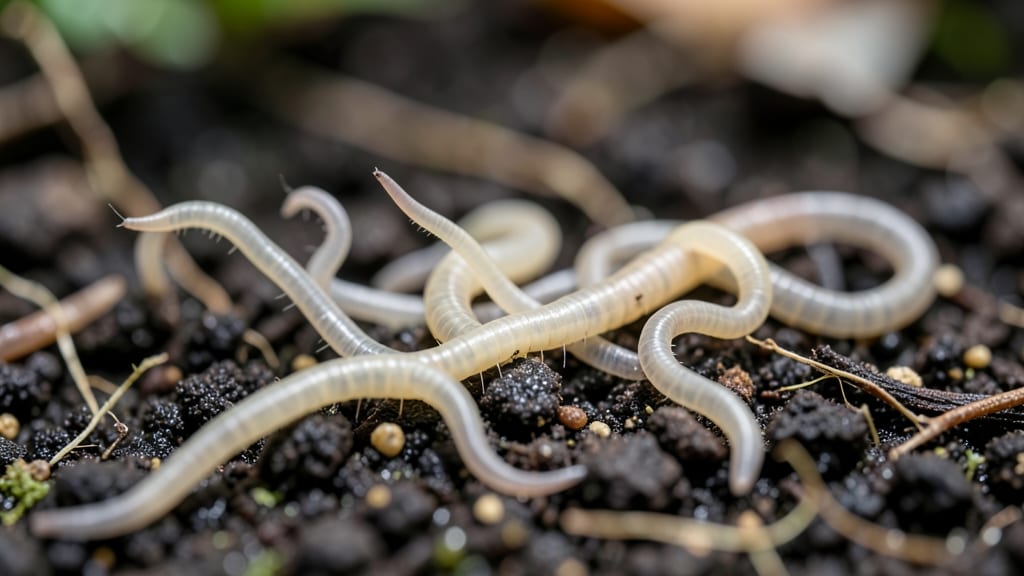
Seeing tiny worms in soil pictures isn’t just creepy—it’s your first warning of a hidden battle beneath your plants. 🌱 These microscopic nematodes twist roots into galls, stunt growth, and drain nutrients, turning lush gardens into struggling patches overnight.
The damage often starts unseen until you notice wilting despite perfect care, or roots that look knotted and deformed under a magnifying glass.
Most gardeners don’t realize the problem until it’s too late, but spotting the signs early—yellowing leaves, stunted seedlings, or roots that look like tiny beads—can save your plants.
Soil testing is the first step, but even without lab results, organic treatments like neem oil, beneficial fungi, or solarizing soil can weaken nematode populations over time. The key is acting before the damage spreads beyond control.
What you’ll learn here is how to identify nematodes from their damage alone, not just through microscopes. We’ll cover which plants they target most, how to choose resistant varieties, and the simplest organic remedies that actually work—no chemicals required.
Your garden’s health depends on catching this early, and the solutions are more straightforward than you think.
Whether you’re dealing with a new infestation or just want to prevent one, this guide gives you the tools to turn the tide. From crop rotation schedules to soil amendments that starve nematodes out, we’ll show you how healthy soil keeps these pests in check naturally.
Let’s get your plants thriving again.
Root Causes of Soil Nematode Pests
Nematodes—those tiny, worm-like creatures thriving in soil—can become a major headache for gardeners and farmers alike. While some species are harmless (or even beneficial), others wreak havoc on plant roots, stunting growth and reducing yields.
Understanding why these microscopic pests proliferate is the first step to controlling them. Below, we break down the key factors that turn soil nematodes from background players into destructive invaders.
Soil nematodes thrive in environments where plant roots are stressed or overfed. Synthetic fertilizers—especially those high in nitrogen—disrupt the natural balance of soil microbes, creating a nematode-friendly ecosystem. Here’s how it happens:
- Root Weakness: Excess nitrogen promotes rapid, weak root growth, making plants more susceptible to nematode attacks. Healthy roots have stronger defenses.
- Microbe Imbalance: Synthetic fertilizers can kill off beneficial fungi and bacteria that naturally suppress nematode populations. Without these allies, nematodes multiply unchecked.
- Moisture Retention: Fertilizer runoff can alter soil moisture levels, creating damp conditions that nematodes adore (more on this below).
Actionable Fix: Transition to organic fertilizers like compost or slow-release options. Pair them with mycorrhizal fungi to bolster root defenses.
Nematodes are aquatic at heart—they need moisture to move through soil and locate plant roots. When drainage fails, you’re essentially creating a nematode paradise. Here’s the science:
- Oxygen Deprivation: Waterlogged soil lacks oxygen, stressing plant roots and releasing sugars into the soil. These sugars act like a nematode buffet, attracting them in droves.
- Slow Decomposition: Poor drainage slows the breakdown of organic matter, leaving more food sources for nematodes to feast on.
- Ideal Movement: Excess water creates a slippery highway for nematodes to crawl toward roots, increasing infection rates.
Actionable Fix:
- Test your soil’s drainage with a percolation test (dig a hole, fill it with water, and time how long it drains). Aim for 2–4 hours for most plants.
- Amend heavy clay soils with sand or perlite to improve aeration.
- Avoid overwatering—stick to 1 inch per week (including rain) for most gardens.
Planting the same crop year after year (monoculture) is like rolling out the red carpet for nematodes. Here’s why:
- Specialized Feeding: Many nematode species evolve to target specific plant hosts. For example, Meloidogyne incognita (root-knot nematodes) specializes in tomatoes, peppers, and potatoes. Repeatedly growing these crops gives nematodes a permanent buffet.
- No Natural Predators: Diverse plantings attract a wider range of beneficial insects, fungi, and microbes that prey on nematodes. Monocultures starve these natural enemies.
- Soil Exhaustion: The same plants deplete identical nutrients, weakening soil health and making roots easier targets.
Actionable Fix:
- Implement crop rotation, switching between unrelated plant families (e.g., tomatoes → brassicas like kale → legumes like beans).
- Interplant nematode-repelling crops like marigolds, garlic, or mustard greens to disrupt nematode life cycles.
- Use cover crops (e.g., clover or vetch) in off-seasons to improve soil structure and attract predator species.
Soil isn’t just a battleground for nematodes—it’s a food chain. When their natural enemies disappear, nematode populations explode. Key predators include:
- Beneficial Nematodes: Species like Steinernema carpocapsae hunt and kill harmful nematodes by injecting bacteria into them.
- Fungi: Trichoderma and Pochonia fungi parasitize nematode eggs and juveniles.
- Protozoa and Bacteria: Microbes like Bacillus firmus compete with nematodes for food and space.
- Ground-Beetles and Predatory Mites: These insects feast on nematodes in the soil.
Why They Disappear:
- Pesticide use (even "organic" ones) can kill beneficial species.
- Poor soil health limits microbial diversity.
- Monocultures reduce habitat diversity for predators.
Actionable Fix:
- Apply beneficial nematodes (e.g., Steinernema or Heterorhabditis) as a biological control.
- Boost soil health with compost tea or mycorrhizal inoculants to encourage fungal predators.
- Avoid broad-spectrum pesticides—opt for targeted solutions like neem oil or horticultural soap.
Nematodes are sensitive to temperature and humidity, and their activity surges under specific conditions:
- Warm, Moist Soil: Ideal for nematode reproduction. Temperatures between 77–86°F (25–30°C) accelerate their life cycles.
- Winter Survival: Some nematodes (like Pratylenchus) overwinter in plant debris or soil, emerging when conditions warm.
- Drought Stress: While nematodes dislike extreme dryness, drought-stressed plants release more sugars into the soil, attracting them when rain returns.
Actionable Fix:
- Mulch heavily in summer to regulate soil temperature and moisture.
- Rotate crops to break the nematode life cycle before seasonal peaks.
- Use resistant plant varieties (e.g., nematode-resistant tomatoes like 'Tyria') to reduce damage during high-risk seasons.
By addressing these root causes—literally—you can transform your soil from a nematode hotspot into a balanced, resilient ecosystem. Next up: How to identify nematode damage in your garden before it’s too late.
Practical ways to control soil nematodes
Soil nematodes may seem like tiny, invisible foes, but with the right strategies, you can keep them in check and protect your plants. Below are targeted solutions based on the most common causes of nematode infestations, along with prevention tips to stop future outbreaks.
These methods are easy to implement, whether you're a backyard gardener or a large-scale farmer.
Problem: Nematodes thrive in soggy, poorly drained soil where roots weaken.
How to Fix It:
- 🔥 Improve Drainage – Amend heavy clay soil with compost, sand, or perlite to create air pockets. Raised beds also help.
- 🍳 Mulch Strategically – Use straw, wood chips, or pine needles to regulate moisture without smothering roots.
- 👨🍳 Adjust Watering – Water deeply but less frequently (1-2 times per week) to avoid waterlogging. Drip irrigation is ideal.
💡 Prevention Tip: Test your soil’s drainage rate by digging a hole, filling it with water, and timing how long it takes to drain. If it takes more than 6 hours, amend the soil immediately.
Problem: Visible wilting, stunted growth, or galls on roots signal an active nematode population.
How to Fix It:
- 🔪 Rotate Crops – Avoid planting susceptible crops (tomatoes, peppers, potatoes) in the same spot for 3-4 years.
- 🌱 Use Nematode-Resistant Varieties – Switch to marigolds, mustard greens, or nematode-resistant tomatoes (like ‘Defiant’ or ‘Mountain Merit’).
- 🥘 Solarize the Soil – In warm climates, cover soil with clear plastic for 4-6 weeks in peak sun to kill nematodes via heat (100°F+).
- 🔥 Apply Beneficial Microbes – Introduce nematode-eating fungi (Pochonia chlamydosporia) or bacteria (Pasteuria penetrans) via organic soil treatments.
✨ Pro Tip: Mix neem cake (ground neem seeds) into the soil—it repels nematodes while enriching soil with nitrogen.
Problem: Poor soil biology weakens plants, making them more vulnerable to nematodes.
How to Fix It:
- 📊 Add Organic Matter – Work in well-aged compost, worm castings, or leaf mold to feed beneficial microbes that outcompete nematodes.
- 💪 Plant Cover Crops – Grow clover, buckwheat, or cowpeas in the off-season—they suppress nematodes and improve soil structure.
- 🍎 Use Companion Planting – Interplant marigolds, garlic, or chives near vulnerable crops to deter nematodes with natural repellents.
🎯 Long-Term Prevention: Maintain a diverse garden—nematodes struggle to survive when multiple plant types are present.
Problem: Severe infestations require fast action without harsh chemicals.
How to Fix It:
- 🔥 Flood & Drain (For Large Areas) – Submerge soil in 6+ inches of water for 2-3 days to suffocate nematodes, then drain.
- 🥘 Use Kaolin Clay – Spray a kaolin clay suspension (like Surround WP) on leaves to physically block nematodes from entering roots.
- 🔪 Remove & Destroy Infested Plants – Pull up heavily galled roots, bag them, and compost at high heat (140°F+ for 3+ days).
💡 Caution: Avoid chemical nematicides (like aldicarb) unless absolutely necessary—they harm beneficial insects and soil life.
To keep nematodes at bay year-round, follow this simple routine: ✅ Test soil annually (use a nematode assay kit or lab test). ✅ Avoid tilling—it stirs up nematode eggs and spreads them. ✅ Rotate crops and plant cover crops in the off-season. ✅ Encourage predators—earthworms, protozoa, and fungi naturally control nematodes. ✅ Monitor plants—check roots monthly for galls or lesions.
By combining soil improvements, resistant plants, and natural predators, you can reduce nematode damage by 80% or more—without chemicals. Start with one or two methods this season and expand as needed. Your garden’s health (and your sanity!) will thank you. 🌱🚀
Frequently asked questions
How can I tell if my soil has nematodes without a microscope?
Look for these visual clues instead: stunted plant growth, yellowing leaves despite proper watering, or roots with small, bead-like galls. Dig up a few plants and rinse the roots—if you see tiny white worms or swollen, knotted areas, nematodes are likely present. Even without a microscope, these symptoms point to an infestation.
Are all nematodes bad for plants?
No! About 80% of soil nematodes are harmless or beneficial. The destructive ones (like root-knot nematodes) feed on roots, while others help break down organic matter or control pests. Focus on identifying the damage type—if your plants are thriving, your soil likely has a healthy nematode balance.
What’s the fastest way to reduce nematodes in heavily infested soil?
For quick results, try solarization (covering soil with clear plastic for 4-6 weeks in hot sun) or flooding (submerging soil for 2-3 days). Both methods kill nematodes by extreme heat or lack of oxygen. For long-term control, combine these with crop rotation and organic amendments like neem cake.
Can houseplants get nematodes too?
Yes! Houseplants like orchids, ferns, and African violets can suffer from nematodes, especially in overwatered conditions. Check roots for galls or tiny worms after repotting. Treat with beneficial nematodes (like Steinernema) or repot into fresh, sterile soil mixed with sand to improve drainage.
How do I know if my nematode problem is severe enough to worry about?
If you’re seeing more than 20% of plants with stunted growth, leaf yellowing, or root galls, it’s time to act. For mild cases (under 10% affected), focus on prevention like crop rotation and soil health. Severe cases may need solarization or biological controls to prevent yield loss.