
Pruning
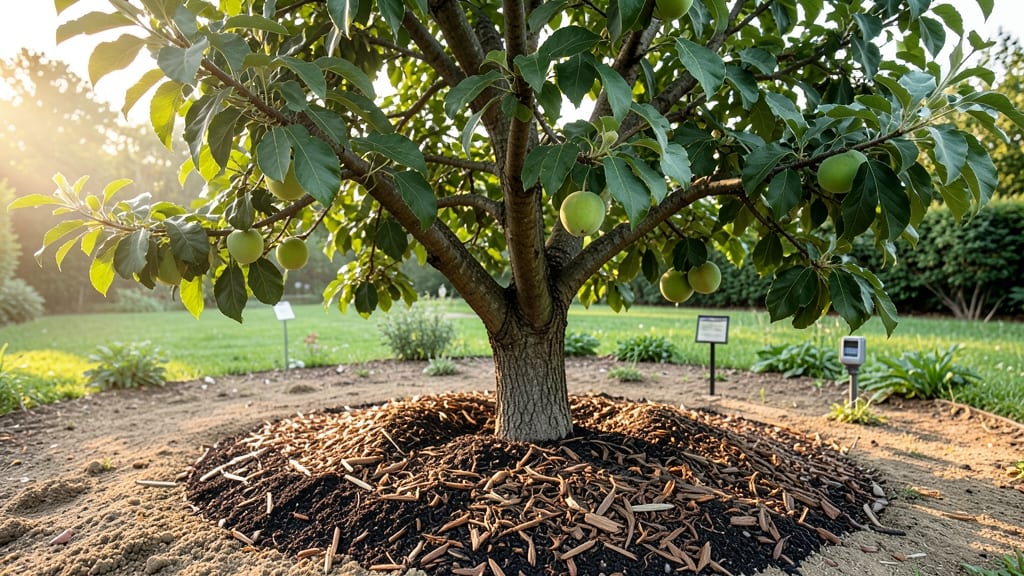
Your peach tree’s soil requirements determine whether it thrives or struggles—think of it as the foundation for a 25-foot-tall fruit powerhouse 🍑.
Struggling to grow thriving peach trees? The secret isn’t just sunlight—it’s the soil. Get it wrong, and your tree will fight disease, poor fruit production, and even early death.
But master these peach tree soil requirements, and you’ll unlock lush canopies, sweet harvests, and a tree that thrives for decades.
Peach trees demand well-draining, slightly acidic soil with a pH between 6.0 and 6.5—too alkaline or too acidic, and nutrient uptake fails. In USDA Zone 6, where clay or sandy soil dominates, amending with compost or organic matter is often the key to success.
Below, I’ll break down the exact soil mix your peach tree needs, how to test and adjust pH, and the three critical nutrients most garden soils miss. No more guesswork—just a healthy, productive tree year after year.
Peach tree soil pH levels: the exact range for maximum fruit production
Peach trees are finicky about their soil—especially when it comes to pH levels. If your soil is too acidic or alkaline, your tree will struggle to absorb essential nutrients, leading to stunted growth, poor fruit set, and even disease susceptibility.
The ideal soil pH for peaches sits between 6.0 and 6.5, where nutrient uptake is optimal and root health thrives. Without this balance, even the hardiest peach varieties like Elberta or Redhaven will underperform.
Why does pH matter so much? Peach trees need calcium, magnesium, and phosphorus to develop sweet, juicy fruit, but these nutrients become locked away in soil that’s too acidic (low pH) or too alkaline (high pH).
For example, a pH below 5.5 can cause iron chlorosis (yellow leaves with green veins), while a pH above 7.0 restricts phosphorus availability, stunting root and flower development. Testing your soil is the first step to avoiding these pitfalls.
🌱
| Soil Factor | Ideal Range | Impact of Deviation |
|---|---|---|
| pH Level | 6.0–6.5 | Too low (<5.5): Iron/manganese toxicity; too high (>7.0): Phosphorus/magnesium deficiency |
| Organic Matter | 3–5% | Below 3%: Poor nutrient retention; above 5%: Risk of compaction |
| Drainage | Well-draining (sandy loam) | Poor drainage: Root rot; too sandy: Nutrient leaching |
| Nutrient Availability | Balanced (N-P-K 10-10-10) | Imbalanced: Leaf yellowing (nitrogen), weak stems (phosphorus), or stunted growth (potassium) |
Testing your soil’s pH is simpler than you think. Grab a soil pH test kit (available at garden centers for ~$10) or send a sample to your local Cooperative Extension Service for a professional analysis.
To collect a sample, dig 6–8 inches deep near where you’ll plant, remove debris, and mix 6–8 subsamples into one composite.
Moisten the soil with distilled water, then use the kit’s color chart to read the pH. For peaches, aim for that 6.0–6.5 sweet spot—anything outside this range needs adjustment.
If your soil tests too acidic (<5.5), raise the pH by adding lime (calcium carbonate). For alkaline soil (>7.0), lower it with elemental sulfur or peat moss. Organic gardeners can use wood ash (sparingly) to raise pH or pine needles to acidify.
Always apply amendments in small batches—overcorrecting can harm your peach tree’s roots. For example, spread 1–2 pounds of lime per 100 square feet and water it in thoroughly, then retest in 2–3 months.
Regional soil types add another layer of complexity. Clay-heavy soils (common in the Midwest) often test high in pH and need gypsum or compost to improve structure and drainage.
Meanwhile, sandy soils (found in the Southeast) may drain too quickly, requiring organic matter like compost or leaf mold to retain moisture and nutrients. Before planting, mix 2–3 inches of well-aged compost into the top 12 inches of soil to create an ideal growing environment for your peach tree.
Once your soil pH is perfect, maintain it with regular mulching. Apply 3–4 inches of wood chips or straw mulch around the tree’s base (keep mulch 6 inches away from the trunk) to slowly acidify the soil over time.
Avoid fresh wood chips, as they can rob nitrogen from the soil. In early spring, top-dress with a balanced organic fertilizer (like 5-5-5) to replenish nutrients lost during the previous year’s fruit production.
Watch for signs of pH imbalance in your peach tree. Yellowing leaves with green veins signal iron chlorosis (too acidic), while purple stems or small, weak leaves indicate phosphorus deficiency (too alkaline).
If you spot these issues, retest your soil and adjust accordingly. Remember, peach trees are heavy feeders, so annual soil testing is key to keeping your tree productive for decades.
Pro tip: Pair your pH adjustments with proper irrigation. Peach trees need 1–2 inches of water per week, but soggy soil can alter pH levels and invite root rot.
Water deeply in the morning to encourage deep root growth and avoid fungal diseases. Pair this with drip irrigation for precision, especially during fruit development stages (late spring to summer).
With the right pH balance and soil care, your peach tree will reward you with sweet, juicy fruit and lush foliage year after year. Start with a soil test, make adjustments, and watch your tree thrive—no more failed harvests or sickly leaves in sight! 🌳
Drainage and texture: how to prepare soil for peach trees to avoid root rot
Peach trees despise soggy roots—root rot from poor drainage is their #1 killer. The ideal soil for peach trees is a loamy, well-draining mix with a sandy texture that prevents waterlogging while retaining enough moisture.
Without this balance, your tree will struggle with yellowing leaves, stunted growth, and fruit drop, even if it gets plenty of sunlight. The key is mimicking nature: loose, airy soil that drains within 24 hours of watering.
Most garden soils—especially clay-heavy or compacted ones—hold too much moisture. If you’ve planted peach trees before and seen mushy brown roots or wilting despite watering, your soil’s drainage is likely the culprit. The solution?
Amend your soil before planting with organic matter like compost, aged manure, or coarse sand to create that perfect sandy loam texture. For containers, the stakes are even higher—terracotta pots with drainage holes are non-negotiable.
🌱 Soil Prep for Peach Trees: Pros & Cons
✅ DO THIS
- Test drainage: Dig a hole, fill with water, and time how long it takes to drain (ideal: <24 hrs).
- Add compost: Mix in 3–4 inches of well-aged compost to improve texture.
- Use sandy loam: Blend 50% native soil + 30% compost + 20% coarse sand.
- Raise beds: For clay soil, plant in raised beds or mounds to elevate roots.
- Mulch properly: Apply 3-inch layer of wood chips (keep 6" from trunk).
❌ AVOID THIS
- Heavy clay soil: Planting directly in unamended clay suffocates roots.
- Fresh manure: Can burn roots; use only aged compost or manure.
- Compacted soil: Avoid tilling too deep—peach roots need loose topsoil.
- Poor drainage: If water pools, dig trenches or add gravel layers.
- Over-mulching: Pile mulch against the trunk—invites rot.
For in-ground planting, start by dug a hole twice as wide as the root ball but only as deep as the container’s base. This encourages roots to spread horizontally, where they’ll find oxygen and nutrients instead of sinking into waterlogged layers.
If your yard has clay soil, consider planting on a slight mound (6–12 inches high) to improve drainage. For container growing, use a fast-draining potting mix (like 60% peat moss, 20% perlite, and 20% compost) and never skip drainage holes—even large pots can trap moisture.
After planting, water deeply to settle the soil, then let it dry slightly before watering again. Overwatering is just as harmful as poor drainage—peach trees need consistent moisture but hate soggy feet. A simple trick: Stick your finger 2 inches into the soil.
If it’s damp, wait; if it’s dry, water until moisture reaches 12 inches deep. This mimics natural rainfall and prevents root suffocation. In hot climates, mulch with straw or wood chips to retain moisture without compacting the soil.
One final tip: Monitor your soil’s texture every spring. Over time, organic matter breaks down, and drainage can decline. Re-amend with compost every 2–3 years to maintain that loamy, crumbly texture.
With the right drainage, your peach tree’s roots will thrive, setting the stage for bountiful harvests and a tree that lives for decades. 🍑