
How To
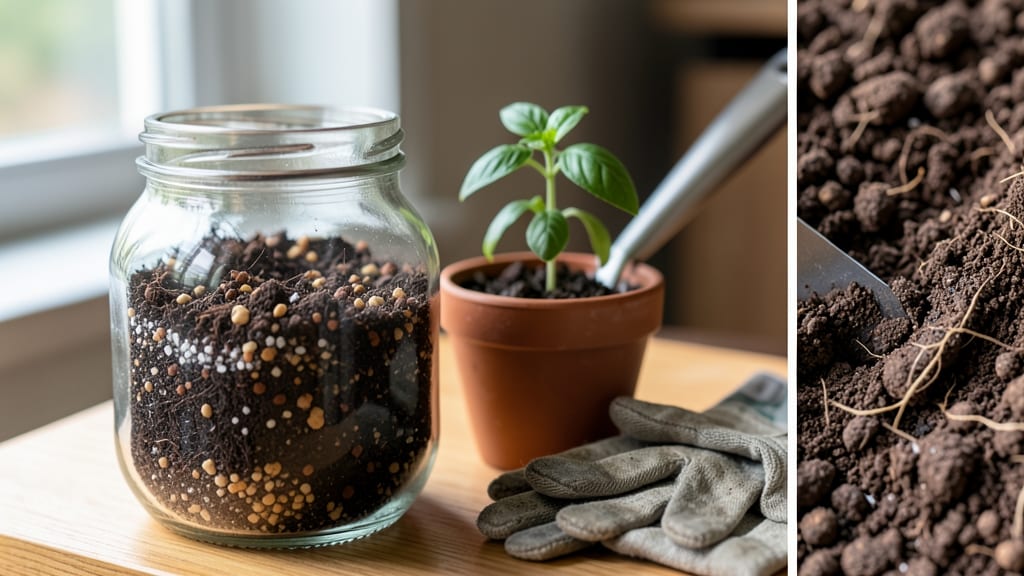
A potting soil definition highlights it as a specially formulated growing medium for container gardening that combines organic materials like peat moss or coconut coir with inorganic amendments such as perlite and vermiculite to create an airy, nutrient-rich environment for roots.
A potting soil definition highlights it as a specially formulated growing medium for container gardening that combines organic materials like peat moss or coconut coir with inorganic amendments such as perlite and vermiculite to create an airy, nutrient-rich environment for roots.
Unlike regular garden soil, potting soil is engineered to prevent compaction and improve drainage, which is crucial for plants confined to pots. 🌱 The mix includes ingredients that retain moisture without becoming waterlogged, ensuring roots get both oxygen and hydration.
This makes it ideal for everything from delicate herbs to heavy feeders like tomatoes. Many gardeners also appreciate how sterile potting soil is, as it reduces the risk of pests and diseases that can lurk in outdoor soil.
For best results, always check the label—some blends are tailored for specific plants, like cacti or ferns, which have unique needs. Mixing your own can also help address particular concerns, such as adding compost for extra nutrients or extra perlite for better aeration.
💡 In This Article
- How Potting Soil Differs From Garden Soil
- Choosing the Right Potting Soil for Your Plants
How potting soil differs from garden soil
At its core, potting soil is engineered to solve the biggest challenges of container gardening: root suffocation and nutrient starvation. Unlike garden soil—which can be dense, compacted, and packed with years of organic debris—potting mixes incorporate perlite, vermiculite, or sand to create 30-50% air pockets by volume.
This aeration mimics the loose, crumbly texture of freshly tilled garden beds but without the weight. For example, a standard bag of potting soil might contain 40% peat moss or coconut coir (for moisture retention), 30% perlite (for drainage), and 30% compost or worm castings (for nutrients).
This ratio ensures roots get oxygen while holding onto water and nutrients efficiently.
The sterilization process is another key difference. Garden soil often contains pathogens, weed seeds, and insect larvae that can harm potted plants.
Potting soil is heat-treated or chemically sterilized to eliminate these threats, which is why it smells fresh and clean compared to the earthy, sometimes musty aroma of outdoor soil. 🌿 This sterility is especially critical for seedlings or delicate plants like orchids, where even a single weed seed or fungal spore can spell disaster.
The lack of compaction also means water drains 3-5 times faster than in garden soil, preventing the root rot that often plagues overwatered container plants.
Nutrient availability is where potting soil truly shines. Garden soil relies on slow-release organic matter that breaks down over seasons, but potted plants have limited access to these nutrients. Potting mixes include fast-acting fertilizers or nutrient-rich additives like kelp meal or bone meal to provide an immediate boost.
For instance, a tomato-specific potting mix might contain slow-release osmocote granules that feed plants for up to 6 months, while a succulent blend would omit moisture-retaining ingredients like peat in favor of coarse sand or pumice to prevent rot.
This tailored approach ensures plants get exactly what they need without the guesswork.
One often-overlooked difference is pH balance. Garden soil tends to stabilize naturally over time, while potting soil can become more acidic or alkaline depending on its ingredients.
Peat moss, for example, is naturally acidic (pH 3.5-4.5), which is ideal for blueberries or azaleas but harmful to vegetables like tomatoes (which prefer pH 6.0-7.0).
Many premium potting mixes now include lime or dolomite to buffer pH, but it’s always worth testing your mix—especially if you’re growing acid-loving plants in containers. A simple soil test kit can reveal whether your potting mix needs adjustment before planting.
Consider the physical experience of working with each type: Garden soil is heavy, clumps in your hands, and resists drainage, while potting soil feels light, fluffy, and almost silky when moist. This texture isn’t just a luxury—it’s a necessity for root health.
Roots in compacted soil struggle to absorb water and oxygen, leading to stunted growth or wilting, even when the soil appears moist. In contrast, potting soil’s open structure allows roots to branch freely, creating a stronger, more resilient plant.
This is why even large container plants like citrus trees or dwarf fruit trees thrive in potting mixes designed for their specific needs.
For gardeners transitioning from outdoor beds to containers, the adjustment can be jarring at first. Plants accustomed to garden soil may wilt dramatically when repotted because they’re not used to the faster drainage or lower nutrient density.
The solution? Acclimate plants gradually by mixing 50% potting soil with 50% garden soil for the first few weeks, then transitioning to 100% potting mix.
This hybrid approach helps roots adapt without shock, proving that while potting soil is fundamentally different, it’s not inherently "better"—it’s just optimized for a very different growing environment.