
Companion Plants
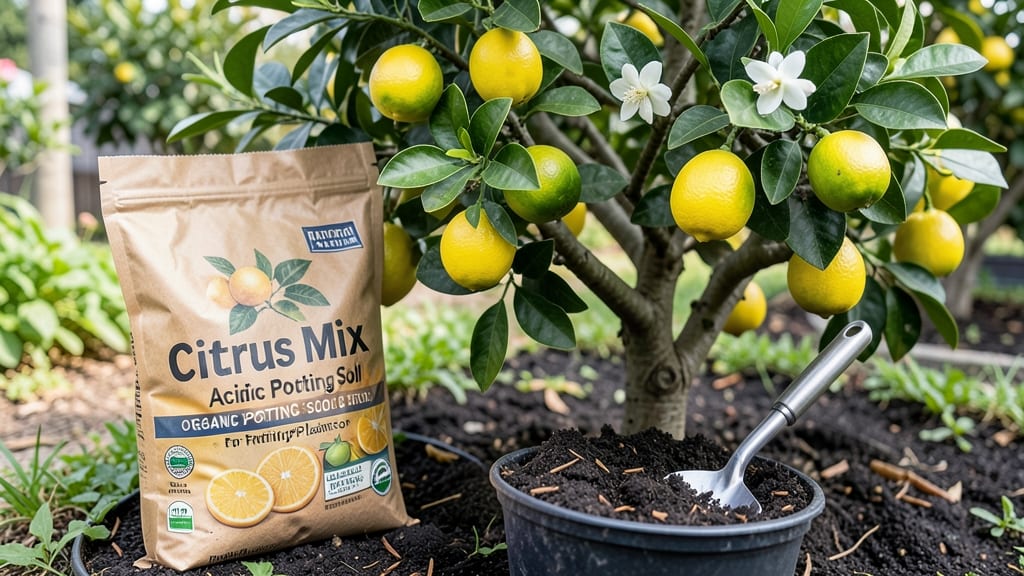
Citrus trees demand the right potting soil for citrus plants or they’ll sulk—dropping leaves and stunting growth. 🌿 The perfect potting mix for lemons, limes, and oranges isn’t your average bagged blend; it needs acidic loam with sharp drainage and a nutrient boost to mimic their native Mediterranean soil.
Too many gardeners use general-purpose mixes and wonder why their Meyer lemon stays small or their kumquat looks stressed. Start with 50% peat moss or coconut coir for acidity and moisture retention, then 30% perlite or pumice to prevent soggy roots (citrus hates wet feet).
Mix in 20% composted pine bark fines for slow-release nutrients and a chunky texture that improves aeration. This ratio keeps roots oxygenated while holding enough moisture—critical for tropical plants in our dry climates. Your trees will reward you with glossy leaves, abundant blossoms, and fruit that actually ripens.
The secret? Repotting every 2-3 years into fresh mix and flushing the soil annually with water to wash out salt buildup. Skip the cheap potting soil, and you’ll skip the citrus failures too—this blend is the difference between a sad houseplant and a thriving mini-orchard.
For container-grown citrus, 10-15% horticultural sand (not playground sand) helps drainage without compacting. Add a handful of worm castings at planting for microbial life that breaks down nutrients. Avoid garden soil—it compacts, suffocates roots, and invites fungus. If your mix smells fresh and crumbles easily, you’re on the right track.
Watch for yellow leaves (too much iron or poor drainage) or dropped fruit (sudden temperature swings). Adjust by watering less or moving to a brighter spot. With the right soil, your citrus will grow 3-4 times faster and produce fruit reliably.
Now go mix that blend—your kitchen garden just got a tropical upgrade.
📚 In This Guide
- What you need
- Instructions
- Tips and common mistakes
- Wrapping up and next steps
What you need
- ● Peat moss or coconut coir: 40% of the mix (retains moisture, adds acidity). Pro tip: Coconut coir is a sustainable alternative!
- ● Perlite or pumice: 20% (boosts drainage and aeration). ✨ Use 2-3 cups per 5-gallon bag of soil.
- ● Compost or well-aged manure: 20% (provides nutrients without compacting the soil). 💡 Avoid fresh manure—it can burn roots!
- ● Sand (coarse horticultural): 10% (improves drainage). 🌡️ Opt for gritty sand, not fine beach sand.
- ● Citrus-specific fertilizer or sulfur: 1 tsp per gallon of mix (adjusts pH to 5.5–6.5). 🎯 Test soil pH before adding!
- ● Garden gloves (to protect your hands from sharp perlite/sand).
- ● Large mixing container (wheelbarrow, plastic tub, or clean trash can).
- ● pH testing kit (to verify acidity levels). 💡 Digital kits are easiest for beginners!
- ● Trowel or shovel (for blending ingredients).
- ○ Optional: Worm castings (10% replacement for compost) or orchid bark (for extra chunkiness).
How to mix the perfect acidic potting soil for citrus plants
Citrus trees demand a specific soil blend—too alkaline and they suffer. Here's my foolproof method for creating the ideal acidic loam mix.
🌱 Step 1: Gather the Core Components
Start with 40% peat moss—this holds moisture while maintaining aeration, which citrus roots crave. I use sphagnum peat specifically because it resists compaction better than other types. Next, add 30% perlite to prevent waterlogging, which is citrus's #1 enemy. The perlite also keeps roots from suffocating in dense mix.
For structure, include 20% coarse sand—not fine beach sand, but horticultural-grade grit with particles around 1/8 inch. This mimics the well-draining mineral soil citrus thrives in. Finally, add 10% worm castings for gentle, slow-release nutrients. The castings also introduce beneficial microbes that help break down organic matter.
🌿 Step 2: Adjust pH for Acidic Conditions
Citrus needs a pH between 5.5 and 6.5—any higher and iron chlorosis sets in. To lower pH, mix in 1 tablespoon of elemental sulfur per gallon of blend. Sprinkle it evenly over the dry components before wetting, then stir thoroughly. For extra insurance, add 1 cup of pine bark fines—these break down slowly and further acidify the mix.
Test your blend with a soil pH meter before planting. If it reads above 6.5, add another ½ tablespoon of sulfur per gallon. Remember, sulfur works best when moist, so don't test until you've watered the mix. The goal is 6.0-6.2—this is the sweet spot for lemon, lime, and orange trees.
💧 Step 3: Hydrate and Condition the Mix
Combine all dry ingredients in a large wheelbarrow or clean plastic bin. Gradually add warm water (around 70°F) while stirring with a garden fork—this prevents clumping. The mix should feel damp like a wrung-out sponge, not soggy. For 4 cubic feet of blend, use about 2 gallons of water. Too much water now will compact the peat and reduce aeration.
Let the mix sit for 24 hours before use. This allows the sulfur to begin adjusting pH and the worm castings to activate. If you notice any mold forming on the surface, simply scrape it off—this is just surface moisture and won't affect your citrus roots. The mix is ready when it smells earthy, not musty.
✂️ Step 4: Layer and Plant for Optimal Drainage
Fill your citrus pot (at least 12 inches deep with drainage holes) with 2 inches of coarse gravel at the bottom. This creates a reservoir for excess water while preventing root rot. Next, add 4 inches of your prepared mix, then place your citrus tree so the root flare sits just above the soil line—burying it too deep suffocates the roots.
Backfill with the remaining mix, pressing gently around the roots to eliminate air pockets. Water deeply until it runs freely from the drainage holes, then let it drain completely. The first few weeks, check moisture by sticking your finger 2 inches into the soil—water when it feels dry, but never let it stay soggy. Citrus roots need consistent moisture, not wet feet.
☀️ Step 5: Maintain Soil Health Long-Term
Every 3 months, top-dress with ½ inch of fresh worm castings to replenish nutrients. I also mix in 1 tablespoon of iron chelate annually to prevent deficiency, especially if your tap water is alkaline. In spring and fall, add a slow-release citrus fertilizer (like Osmocote 14-14-14) at ¼ the recommended rate—citrus is sensitive to over-fertilizing.
Watch for yellowing leaves between veins—this is classic iron chlorosis from high pH. If it happens, flush the pot with 2 inches of distilled water (no minerals) and reapply sulfur. With this mix, your citrus will stay vibrant for years, producing fruit reliably. The key is consistency: maintain that acidic pH, never let it dry out completely, and always ensure free drainage.
Tips & tricks for perfect acidic loam blend for citrus
Between us, citrus trees are finicky about their soil—get this mix right, and you'll see fruit production for years. These are the details that make all the difference.
The pH Precision: That 5.5-6.5 pH range isn't a suggestion—it's non-negotiable for citrus. I've seen iron chlorosis develop in just weeks when pH creeps above 6.5. Use a digital pH meter for accuracy, and remember: sulfur works best when the mix is moist. If you test dry, you'll get a false reading that's too high. The goal is 6.0-6.2—this is where citrus thrives, and it's worth the extra testing to nail it.
Perlite vs. Vermiculite: Don't substitute vermiculite for perlite in this blend—vermiculite holds too much water and can lead to root rot. Perlite's job is to create air pockets that prevent waterlogging. If you're concerned about cost, use 20% coarse sand instead, but stick with the 30% perlite for the best drainage. The 1/8-inch grit size is crucial too—finer sand compacts over time.
Make-Ahead Strategy: You can absolutely prep this mix ahead of time, but the 24-hour conditioning is non-negotiable. Store the dry components in a sealed bin for up to 3 months if needed, but add water and sulfur only when you're ready to use it. The worm castings stay potent longer when kept dry—just mix them in right before wetting. For larger batches, consider making 5-gallon buckets of the dry blend and store them separately until needed.
Equipment Upgrade: A garden fork is essential for mixing—it aerates the blend without compacting it like a shovel would. For testing pH, invest in a digital meter rather than test strips; meters give more precise readings. And if you're making more than 4 cubic feet at once, use a cement mixer or barrow with a paddle attachment to handle the volume without overworking the mix.
Pro Tips for Potting Soil For Citrus Plants
- Between us, citrus trees are finicky about their soil—get this mix right, and you'll see fruit production for years.
- The pH Precision: That 5.5-6.5 pH range isn't a suggestion—it's non-negotiable for citrus.
- Perlite vs.
Frequently asked questions
Got questions about the perfect potting mix for your citrus trees? You’re not alone! Here are some of the most common concerns—plus expert answers to keep your plants happy and thriving.
What’s the ideal pH range for citrus potting soil?
Citrus plants thrive in slightly acidic to neutral soil, with a pH range of 5.5 to 7.0. Test your mix with a pH meter—if it’s too alkaline (above 7.5), amend with sulfur or peat moss to lower it. Avoid over-acidifying, though, as citrus can’t handle extreme pH swings!
How often should I repot my citrus tree?
Repot citrus every 2–3 years or when roots circle the pot’s bottom (a sign of root-bound stress). Spring is the best time—avoid winter repotting, as citrus are dormant and slow to recover. Choose a pot just 2–3 inches larger in diameter to prevent soggy soil.
Can I use regular garden soil for citrus potting mix?
No!
Garden soil is too dense and retains too much moisture, leading to root rot. Citrus need a well-draining, airy blend (like 60% potting soil + 30% perlite + 10% compost). If you’re short on materials, cactus/succulent mix works in a pinch—but avoid heavy clay or sand-heavy soils.
Why are my citrus leaves yellowing, even with the right soil?
Yellow leaves often signal overwatering, nutrient deficiency, or poor drainage. Check for:
- Soggy soil: Let the top 1–2 inches dry out between waterings.
- Fungal issues: Ensure pots have drainage holes and avoid sitting in saucers of water.
- Nitrogen deficiency: Feed with a balanced citrus fertilizer (6-6-6 or 8-3-9) every 4–6 weeks in growing season.
Do citrus plants need special soil in winter?
Not necessarily! Citrus soil blends stay the same year-round, but adjust watering habits in winter. Soil dries slower in cooler months, so water only when the top 3 inches are dry. If growing indoors near a heater, use a humidifier to mimic outdoor moisture levels.
Wrapping up and next steps
Choosing the right potting soil for citrus plants is the secret to nurturing lush, vibrant trees that burst with flavor and fragrance. A well-balanced, slightly acidic loam blend—rich in organic matter and drainage—sets the stage for healthy roots, abundant blooms, and juicy fruit.
With the right mix and a little TLC, your citrus garden will thrive year after year!
Now that you’re armed with the knowledge, roll up your sleeves and get planting! Start by prepping your pots, layering your soil mix, and watch your citrus plants reward you with sunshine-filled growth. Happy gardening! 🌱✨