
How To
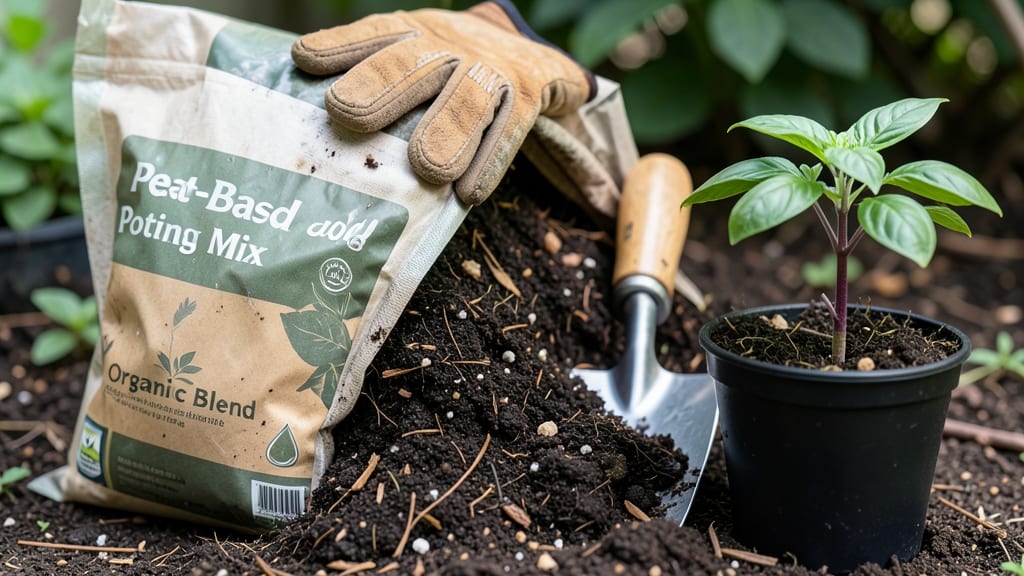
Potting soil meaning is a specially formulated growing medium optimized for container plants, combining organic materials, nutrients, and aeration to promote strong root growth while preventing compaction and disease.
This lightweight blend is engineered to mimic natural soil conditions but with key differences: it includes ingredients like perlite or vermiculite for drainage, while excluding heavy clay that would suffocate roots in pots. 🌱 The sterile composition prevents harmful pathogens that thrive in garden soil, making it ideal for indoor plants where circulation is limited.
I always recommend checking labels for moisture retention ratings—some blends dry out faster than others, which can be critical for delicate tropical varieties.
For example, a cactus mix would need 60-70% inorganic matter (like sand or pumice) to prevent rot, while ferns thrive in moisture-retentive blends with 50% peat or coconut coir.
The right mix can mean the difference between a thriving plant and one that struggles to establish roots in its container.
💡 In This Article
- How Potting Soil Differs From Garden Soil
- Choosing the Right Potting Soil for Your Plants
How potting soil differs from garden soil
At its core, potting soil is engineered to address the unique challenges of container gardening. Unlike garden soil, which is heavy with clay and organic matter, potting mixes incorporate 20-30% perlite or vermiculite to create air pockets that prevent root suffocation.
This porosity is critical because pots lack the natural drainage of in-ground beds—roots can't spread laterally, so they need oxygen at every level. 🌱 The texture is also lighter, often resembling crumbly coffee grounds when dry, while garden soil feels dense and compact.
The nutrient profile differs dramatically too. Garden soil relies on years of decomposition to build fertility, while potting soil includes slow-release fertilizers (like osmocote) that provide consistent feeding for 3-6 months. Some premium blends even contain mycorrhizal fungi to boost root development—something rarely found in outdoor soil.
Moisture dynamics are another key difference: potting mixes retain water without becoming waterlogged, thanks to ingredients like coconut coir that hold 5-10 times their weight in water while still allowing excess to drain.
This structural engineering prevents the two biggest killers of container plants: compaction and disease. Garden soil's clay particles pack tightly when wet, creating anaerobic zones where roots suffocate. Potting soil's open structure mimics the loose, aerated conditions plants crave.
The sterile composition is equally important—garden soil often contains pathogens that thrive in crowded pots with poor airflow. 💚 For example, a single tablespoon of garden soil can introduce fungal spores that would devastate a delicate fern in a 6-inch pot.
Consider the science of water movement: in garden soil, water travels vertically through large pores, while potting soil's smaller, uniform pores distribute moisture evenly. This is why a snapdragon in potting mix stays consistently hydrated, while one in garden soil might develop dry bottom roots despite regular watering.
The 1-2 inch layer of bark fines often added to potting mixes also creates a capillary break that prevents water from pooling at the bottom of containers.
For visual learners, think of it this way: garden soil is like a dense sponge that holds water but suffocates roots, while potting soil is a fluffy, well-drained mattress that keeps roots breathing.
The 3:1 ratio of organic to inorganic matter in most potting mixes creates this ideal balance—enough nutrition without the weight that would sink a lightweight pot.
This structural difference explains why even heavy feeders like tomatoes thrive in 5-gallon containers with the right potting mix, while they'd struggle in the same-sized hole in garden soil.
One common misconception is that potting soil is just "soil in a bag." In reality, it's a carefully engineered blend where each component serves a purpose: peat moss or coir for moisture retention, sand or perlite for drainage, and composted bark for structure.
This precision is what allows container gardens to produce crops like peppers that would normally require 18 inches of garden depth—because the roots get the oxygen and nutrients they need in a concentrated space. 🌿