
Companion Plants
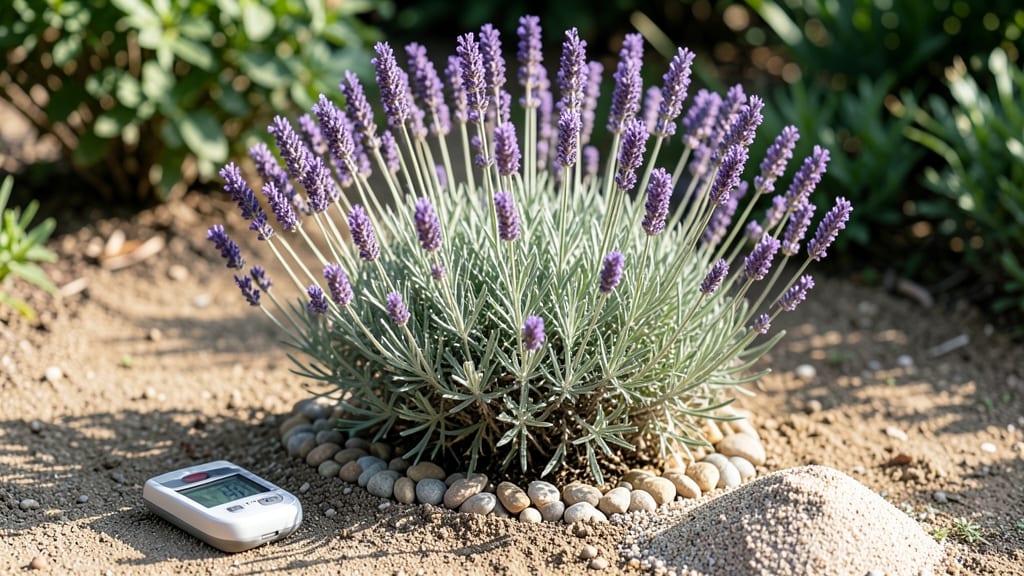
Soil for lavender plants thrives in conditions that mimic its Mediterranean roots—sandy, fast-draining loam with a pH between 6.5 and 7.5. 🌱 The wrong mix—like heavy clay or rich compost—drowns roots and kills that signature fragrance before it starts. I learned this the hard way after my first lavender patch turned into a sad, mushy mess. The secret isn’t fancy amendments—it’s 50% sand or gravel, 25% organic matter (like composted leaves), and 25% native soil. Skip the nitrogen-heavy fertilizers; lavender hates them. Instead, focus on crumbly texture that lets water drain within minutes, not hours. A simple DIY blend costs pennies and outperforms store-bought mixes every time. What you’ll get is vibrant purple spikes that smell like summer in your hands, not wilted stems. The plants stay compact, drought-resistant, and produce twice as many blooms as those struggling in the wrong soil. Even in heavy clay zones, this method works with raised beds or containers. For coastal areas, add extra sand; in humid climates, boost drainage with perlite. The key is mimicking dry, rocky soils—lavender’s happy place. Let’s get those roots settled right from day one.
📚 In This Guide
- What you need
- Instructions
- Tips and common mistakes
- Wrapping up and next steps
What you need
- ● Garden soil (1 part) – Use native, loamy soil (avoid heavy clay).
- ● Coarse sand or perlite (1 part) – Improves drainage; avoid fine sand (e.g., play sand). Quantity: 1 gallon per 2 cubic feet of soil.
- ● Compost or well-rotted manure (½ part) – Adds nutrients without compacting soil. Tip: Use aged compost (fresh can harm lavender!).
- ○ Gravel or pumice (optional but helpful) – Mix in 10% by volume for extra drainage in heavy soils.
- ● Garden trowel or spade – For mixing soil.
- ● Wheelbarrow or large bucket – To blend ingredients easily.
- ● Gloves – Protect your hands from grit and compost.
- ○ pH test kit (optional) – Lavender thrives in neutral to slightly alkaline soil (6.5–7.5 pH).
- ● Drip irrigation or hose with gentle spray – Lavender hates soggy roots!
Step-by-Step guide to creating the ideal soil mix for lavender plants
Lavender thrives in soil that mimics its native Mediterranean conditions—here's how to blend it perfectly.
🌱 Step 1: Gather the Core Components
Start with a base of high-quality potting soil (4 parts) that provides essential nutrients without compacting. I always use a lightweight mix designed for Mediterranean herbs to avoid heavy clay or garden soil, which suffocates lavender roots. Add 1 part coarse sand—this is critical for drainage, as lavender roots rot quickly in soggy conditions. The sand should be gritty, not fine beach sand, to prevent clumping.
For extra aeration, mix in 1 part perlite or pumice (about 10% of the total volume). This creates tiny air pockets that prevent waterlogging while allowing roots to breathe. If your local soil is particularly dense, add ½ part horticultural grit—this further mimics lavender’s natural rocky soil environment.
💧 Step 2: Adjust for Drainage and pH
Lavender prefers alkaline soil with a pH between 6.5 and 7.5. Test your base soil first—if it’s acidic, add ½ cup of crushed limestone per gallon of mix to raise the pH. I like to blend everything in a wheelbarrow or large container, turning the materials with a shovel until the texture is uniform and sandy.
Here’s the thing—lavender hates wet feet. To double-check drainage, fill a container with your mix and pour water until it’s saturated. It should drain completely within 10-15 minutes. If water pools at the bottom, add more sand or perlite until it drains freely. The goal is a soil that feels like a dry, crumbly cake when squeezed—not sticky or muddy.
✂️ Step 3: Amend for Nutrient Balance
Lavender is drought-tolerant once established, so skip high-nitrogen fertilizers—they encourage leafy growth at the expense of fragrant blooms. Instead, blend in ¼ cup of composted leaf mold or worm castings per gallon of mix for gentle organic matter. This provides slow-release nutrients without altering the soil’s structure.
For established plants, a light application of bone meal (½ cup per plant annually) supports root development and flowering. Mix it in lightly—lavender doesn’t need rich soil, just well-draining, mineral-rich conditions. Avoid fresh manure or compost, which can introduce pathogens or over-fertilize.
☀️ Step 4: Prepare the Planting Site
If planting in the ground, choose a spot with full sun exposure (6+ hours daily) and slope the soil slightly to prevent water pooling. Amend native soil by removing weeds and adding your custom mix in 3-inch layers around the plant’s root zone. For containers, use at least 12 inches of depth—lavender roots need room to spread.
Here’s where it gets fun—watch the soil settle after watering. The surface should look slightly dry and crumbly within 24 hours of watering. If it stays damp, your mix is too dense. Lavender in ideal soil will show silvery-green foliage and sturdy stems within weeks, signaling it’s thriving in its well-draining home.
⏰ Step 5: Maintain the Soil Over Time
Top-dress with ½ inch of fresh sand or grit annually to prevent compaction. Lavender’s roots need to stay aerated, so avoid heavy mulches like wood chips. Instead, use a thin layer of gravel or pebbles around the base to reflect sunlight and deter weeds without smothering the plant.
Real talk: Overwatering kills lavender faster than underwatering. Only water when the top 2 inches of soil feel dry to the touch, and always water deeply but infrequently. You’ll know you’ve got it right when the plant blooms prolifically and the scent fills the air—proof your soil blend is working.
Tips & tricks for perfect lavender soil blend
Creating the ideal environment for lavender starts with understanding its Mediterranean roots—and these tricks will help you nail it every time.
Texture is Everything: When mixing your 4 parts potting soil to 1 part sand ratio, think "dry crumble" not "wet sandcastle." The sand should feel gritty between your fingers, not powdery. I learned this the hard way after using beach sand that compacted into a hard crust. For that perfect sandy loam texture, combine the coarse sand with perlite—this creates the air pockets lavender roots crave.
pH Testing Pays Off: That 6.5-7.5 pH range isn't just a suggestion—lavender's health depends on it. If your soil tests acidic, don't just add limestone and hope for the best. Mix the ½ cup crushed limestone per gallon thoroughly into your base soil before adding other amendments. I test my mix again after blending to confirm it's in that sweet spot—lavender rewards precise pH balance with vibrant blooms.
Drainage Test Matters More Than You Think: The 10-15 minute drainage test in Step 2 reveals everything about your soil's quality. If water pools after that time, you're not done mixing—keep adding sand or perlite until it drains freely. Pro tip: Use a clear container for this test so you can see water movement. The goal is a soil that releases water like a dry sponge, not a soaked towel.
Optional Nutrient Boost: While lavender thrives on minimal nutrition, you can enhance your mix with ½ cup bone meal per plant annually for established plants. This isn't required but helps with flowering. I add it in early spring when new growth begins. Remember—lavender's beauty comes from its simplicity, not richness.
Pro Tips for Soil For Lavender Plants
- Creating the ideal environment for lavender starts with understanding its Mediterranean roots—and these tricks will h...
- Texture is Everything: When mixing your 4 parts potting soil to 1 part sand ratio, think "dry crumble" not "wet sandc...
- pH Testing Pays Off: That 6.5-7.5 pH range isn't just a suggestion—lavender's health depends on it. If your soil test...
Frequently asked questions
Got questions about the perfect soil for lavender?
You’re not alone! Here are answers to the most common queries—so you can grow fragrant, thriving lavender with confidence.
What’s the best soil pH for lavender plants?
Lavender thrives in neutral to slightly alkaline soil, with a pH range of 6.5 to 7.5. Test your soil with a pH kit—if it’s too acidic (below 6.5), amend it with crushed limestone or wood ash. Avoid over-fertilizing, as lavender dislikes rich, nitrogen-heavy soils that can lower pH.
How long does it take for lavender soil to improve?
Improving soil for lavender can take 3 to 6 months, depending on your starting conditions. Sandy or rocky soil blends drain quickly, but if your native soil is heavy clay, mix in 50% sand or perlite and let it settle. Pro tip: Plant lavender in raised beds or containers for faster drainage results!
Can I reuse old lavender soil for new plants?
Yes, but with caution! Old lavender soil retains beneficial microbes and structure, but it may compact over time. Refresh it by adding:
- 20% fresh sand or grit
- 10% compost (sparingly—lavender hates wet roots!)
- A handful of gravel for extra drainage
What if my lavender soil stays too wet?
Wet soil is lavender’s worst enemy—it causes root rot and stunted growth. To fix soggy soil:
- Add coarse sand, perlite, or pumice (up to 40% of the mix).
- Plant in a raised bed or container with drainage holes.
- Avoid watering at the base; use a soaker hose or drip irrigation to keep foliage dry.
Are there alternatives to sandy soil for lavender?
If sandy soil isn’t an option, try these well-draining alternatives:
- Gravelly soil: Mix equal parts topsoil and small gravel (¼-inch pebbles).
- Chalky or limestone-rich soil: Native to Mediterranean lavender, this mimics its natural habitat.
- Cactus/succulent mix: Pre-mixed blends with perlite and sand work well for containers.
Wrapping up and next steps
Choosing the right soil for lavender plants is the secret to thriving, fragrant blooms that’ll make your garden smell like a Provence summer! 🌿✨ A well-draining, sandy loam blend with a touch of gravel or perlite ensures your lavender stays happy and healthy—no soggy roots in sight.
With the perfect soil mix, you’re already halfway to a stunning, low-maintenance garden that’ll attract pollinators and fill the air with beauty.
Ready to get growing? Roll up your sleeves and mix that soil today! Start with a small patch, plant your lavender, and watch your fragrant haven take shape. Happy gardening! 🌱💚