
How To
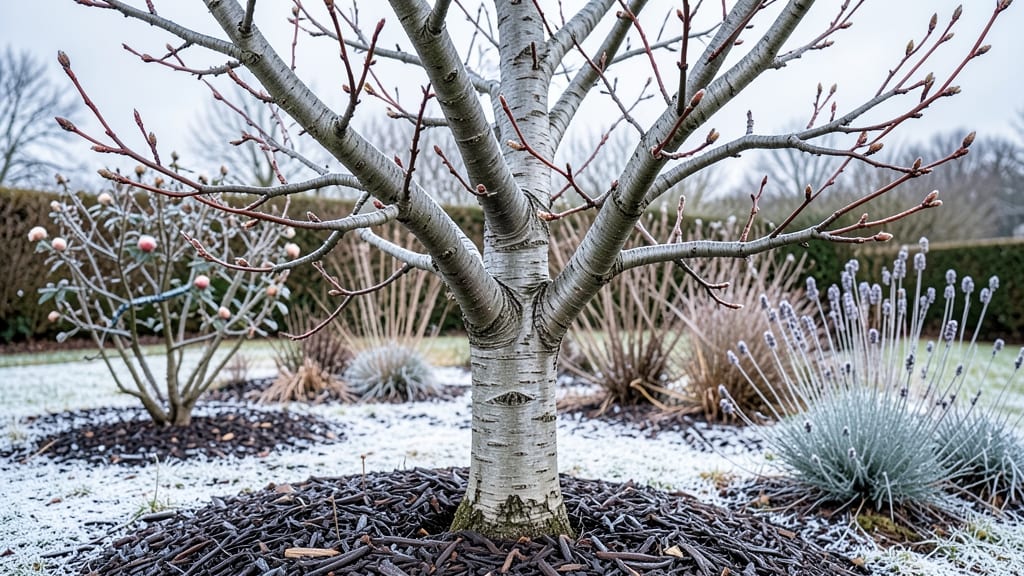
Winter soil isn’t just frozen ground—it’s the foundation for next year’s harvest. 🌱 I’ve learned that protecting soil during cold months means less compaction, better drainage, and plants that wake up ready to grow in spring. The key is working with winter’s challenges, not against them.
Most gardeners make two big mistakes: leaving soil bare (inviting erosion) or piling on thick mulch too late (trapping moisture that freezes). Instead, focus on light mulch layers (2–3 inches) and cover crops like winter rye or clover to hold soil in place while feeding it.
Even a simple tarp over bare beds prevents wind from scattering precious topsoil.
By spring, you’ll have soil that’s looser, richer, and ready to plant—no tilling required. The plants you set out will establish faster because the roots meet ideal conditions from day one. This method works for vegetable beds, flower gardens, and even lawns.
No soil test? No problem. A simple jar test (fill a jar with soil and water, shake, then observe layers) tells you if your soil drains well or stays soggy. Adjust mulch depth based on what you find—thicker for clay, lighter for sandy soil. Small tweaks make a big difference.
Cold Weather’s Hidden Soil Impact
Winter transforms gardens into serene, snow-dusted landscapes—but beneath the surface, your soil is undergoing dramatic changes. Understanding why these shifts occur is the first step to protecting your plants and preventing long-term damage. Let’s break down the science behind winter’s effects on soil.
When temperatures drop below freezing, water in soil pores expands as it turns to ice. This expansion creates pressure that forces soil particles closer together, a process called frost heave. Over time, repeated freeze-thaw cycles compact the soil, reducing pore space and limiting root growth.
💡 Key Factor: Soil with high clay content (fine particles) is more prone to compaction because water clings tightly to its surface, amplifying ice formation.
- Actionable Tip: Test your soil’s texture—if it feels dense or sticks to your hands when wet, it’s at higher risk.
- Science Note: Sandy soils drain faster, so water freezes deeper, increasing heave risk in root zones.
Cold temperatures slow down soil microbes—the tiny organisms responsible for breaking down organic matter. While they don’t die outright, their metabolic rates plummet, reducing nutrient cycling and organic matter breakdown.
🌡️ Temperature Threshold: Most microbial activity halts below 40°F (4°C), though some cold-resistant species (like Psychrophiles) persist in sub-freezing conditions.
- Why It Matters: Less decomposed organic matter means fewer nutrients available for plants in spring.
- Pro Tip: Add compost or mulch in fall to give microbes a head start when temperatures rise.
Winter alters how water moves through soil. Snowmelt and rain can’t infiltrate compacted or frozen layers, leading to surface runoff and erosion. Meanwhile, plant roots struggle to access moisture because ice blocks water uptake.
📊 Hydrology Shift:
Condition
Effect on Soil
Frozen Soil
Water pools on top, increasing erosion risk.
Thawing Periods
Sudden water release can dislodge topsoil.
Dry Winters
Soil moisture drops, stressing evergreen roots.
✨ Solution: Use drip irrigation or snow fences to manage meltwater and prevent erosion.
Heavy snow accumulation can compress soil like a weight, while winter winds dry out exposed surfaces, creating a crust that blocks air and water. This is especially harmful in open or sloped gardens.
🔥 Wind’s Role: It accelerates moisture loss, leading to desiccation in unprotected areas—even under snow.
- Action Step: Apply straw mulch (3–4 inches) to shield soil from wind and snowpack pressure.
- Warning: Avoid plastic mulches—they trap heat and can insulate pests over winter.
Simple Fixes for Winter Soil Woes
Winter can turn your garden’s soil into a muddy, compacted mess—but the good news is, you can reverse (or prevent!) the damage with a few smart, hands-on steps. Below, we’ve mapped common winter soil problems to practical solutions, so you can keep your roots happy and your garden thriving.
Cause: Heavy foot traffic, rain, or machinery squishes soil particles together, cutting off airflow and water absorption. Fix:
- Add organic matter 🌱 – Mix in compost, leaf mold, or well-rotted manure (2–3 inches deep) to loosen density. Microbes will break down compaction over time.
- Use a broadfork 🪓 – Gently fork the soil (without turning it) to create air pockets. Do this in dry spells—never when soil is wet!
- Mulch heavily 🍂 – A 4–6 inch layer of straw, wood chips, or pine needles protects soil from freezing/thawing cycles that worsen compaction.
Prevention Tip: 💡 Walk on boards or planks to distribute weight evenly, and avoid working soil when it’s soggy.
Cause: Poor drainage traps cold, preventing root growth and inviting rot or fungal diseases. Fix:
- Raise beds or mounds 🏗️ – If your yard floods, elevate planting areas with compost or gravel-filled trenches underneath.
- Amend with sand or perlite 🏖️ – Blend coarse sand or perlite (10–20%) into heavy clay soil to improve water flow. Test drainage first—if water pools after 6 hours, you’ve got work to do!
- Install French drains 🚧 – For severe cases, bury perforated pipes surrounded by gravel to redirect excess water.
Prevention Tip: ✨ Plant cold-hardy crops (like kale or garlic) in well-drained spots to avoid winter stress.
Cause: Damp, cold soil creates the perfect breeding ground for mold, slugs, or voles. Fix:
- Apply diatomaceous earth 🦗 – Sprinkle food-grade DE around plants to deter slugs and insects (reapply after rain).
- Encourage beneficial microbes 🧬 – Spread mycorrhizal fungi or compost tea to outcompete harmful pathogens.
- Reduce standing water 💧 – Clear gutters, slope lawns away from beds, and plant ground covers (like creeping thyme) to absorb excess moisture.
Prevention Tip: 🎯 Rotate crops annually to starve pests and diseases of their favorite hosts.
Cause: Cold weather slows microbial activity, starving plants of essential nutrients. Fix:
- Top-dress with compost 🍄 – Spread a thin layer (½ inch) of compost over soil in early spring to jumpstart nutrient uptake.
- Use slow-release fertilizers 🌱 – Opt for organic options like bone meal (phosphorus) or kelp meal (potassium) before planting.
- Plant cover crops 🌾 – Sow clover, winter rye, or hairy vetch in fall—they’ll fix nitrogen and protect soil until spring.
Prevention Tip: 💡 Test your soil in early winter (or fall) to identify deficiencies before they become problems.
Pro Move: Combine fixes! For example, amend + mulch + cover crops = a winter-proof soil system that works year-round. Small efforts now mean less work (and fewer headaches) in spring!
Frequently asked questions
What’s the best mulch for winter soil protection?
Use straw or shredded leaves (3–4 inches thick)—they insulate soil while allowing moisture to penetrate. Avoid thick layers of wood chips (they can mat down) or plastic (traps heat, inviting pests). For slopes, try pine needles—they repel moisture while protecting from wind erosion.
Can I still plant in winter, or should I wait for spring?
Yes! Cold-hardy crops like kale, spinach, or garlic thrive in winter. Plant them 4–6 weeks before your first frost in well-drained soil. For tender plants, use row covers or cold frames to extend the season. Just avoid working wet soil—it compacts easily.
How do I test my soil’s winter readiness without a lab?
Do a jar test: Fill a jar halfway with soil, add water to the top, shake, then let it settle. If you see a thick clay layer at the bottom, your soil drains poorly—amend with sand or compost. A sandy layer on top means fast drainage; add organic matter to retain moisture.
Will my lawn recover from winter compaction?
Yes, but it takes patience. Aerate in early spring (when soil is dry) to relieve compaction, then top-dress with compost. For severe cases, rent a broadfork to loosen the soil without turning it. Avoid heavy foot traffic until the ground thaws.
Are cover crops worth the effort in winter?
Winter rye or clover prevent erosion, suppress weeds, and add organic matter when tilled in spring. They also fix nitrogen, reducing the need for fertilizers. Plant them 6–8 weeks before frost for best results.