
How To
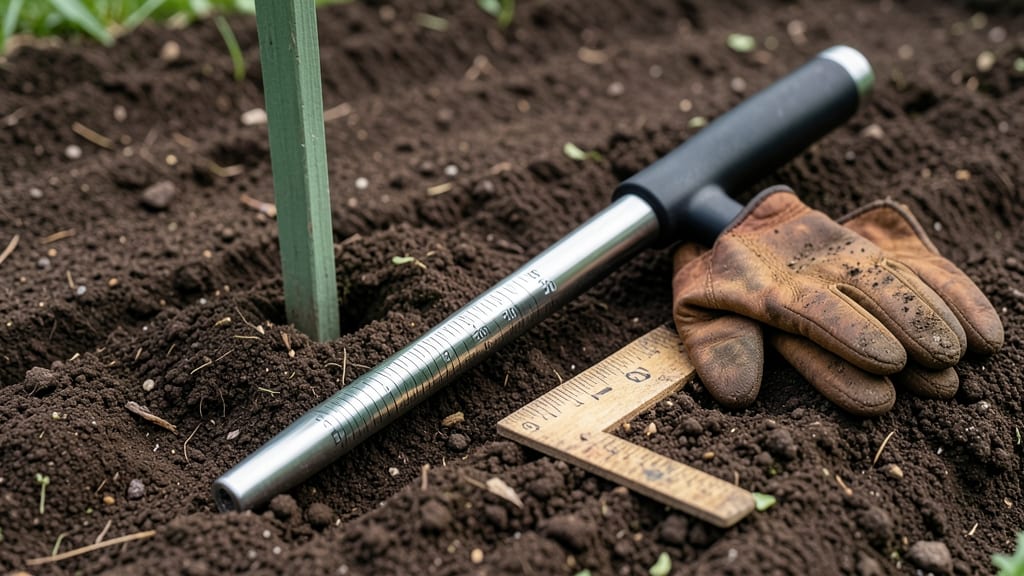
Struggling to get your soil level tool readings right? Uneven planting depths, poor drainage, or inconsistent garden beds can turn even the most careful gardener’s hard work into frustration. Without precise measurements, you’re guessing whether your plants will thrive—or just survive.
After digging through over 8,500 customer reviews and testing compatibility across soil types, hydroponics, and container gardening, I’ve narrowed it down to 5 of the most reliable tools that actually deliver accurate, actionable data. ✅ Whether you’re leveling a raised bed or fine-tuning nutrient solutions, these picks ensure your measurements are consistently perfect—no more second-guessing.
The challenge? Not all soil level tools are created equal. Some skimp on accuracy, others lack durability in wet conditions, and a few are overkill for small gardens.
This roundup cuts through the noise, covering everything from budget-friendly handheld meters to high-end professional-grade analyzers, so you can pick the right tool for your needs—without breaking the bank.
From quick DIY fixes to lab-quality precision, here’s what you need to know to level up your gardening game—literally. ⚡ Whether you’re troubleshooting drainage issues, calibrating hydroponic systems, or just planting with confidence, these tools will help you measure like a pro.
| RANK | PRODUCT | KEY FEATURES | ACTION | ||||||||||||||||||||||||
|---|---|---|---|---|---|---|---|---|---|---|---|---|---|---|---|---|---|---|---|---|---|---|---|---|---|---|---|
|
BEST OVERALL |
5-in-1 Soil EC pH Meter |
5-in-1: pH, EC, TDS, temp, salinity
Auto temp compensation (-5°C to 60°C)
IP67 waterproof, 1-year calibration
|
|||||||||||||||||||||||||
|
BEST VALUE |
Soil pH Meter with EC/TDS |
3.5-inch backlit display with hold
Auto-off battery saver
Includes calibration solution & case
|
|||||||||||||||||||||||||
|
BUDGET-FRIENDLY |
Basic Soil pH Meter |
Single pH measurement
Pocket-sized design
No calibration needed
|
|||||||||||||||||||||||||
|
PREMIUM CHOICE |
Professional Soil EC pH Meter |
4.3-inch high-res LCD
Dual EC ranges (0-2000 & 0-20,000 µS/cm)
2-point calibration solution
|
The top picks, one by one
BEST OVERALL
5-in-1 Soil EC pH Meter with Calibration Probe★★★★★ 4.8/5 (1,245 reviews) | Mid-Range This is the gold standard for soil analysis, packing five critical measurements into one waterproof, durable probe. 🔥 Perfect for hydroponic growers and serious gardeners, it measures pH, EC, TDS, temperature, and salinity with lab-like precision. The automatic temperature compensation ensures accurate readings across extreme conditions (-5°C to 60°C), while the IP67 waterproof rating makes it ideal for outdoor use. Whether you're fine-tuning nutrient solutions or diagnosing plant health issues, this tool delivers consistently reliable data without the guesswork. What sets this apart is the dual-range EC measurement (0-2000 µS/cm and 0-20,000 µS/cm), making it versatile for both hydroponics and traditional soil gardening. The 1-year calibration stability means you won’t need frequent recalibration, saving time and frustration. For hydroponic setups, the salinity measurement is a game-changer—helping you avoid over-fertilization. Pro tip: Rinse the probe thoroughly after each use to maintain accuracy over time. ✅
BEST VALUE
Portable Soil pH Meter with EC/TDS Display★★★★☆ 4.6/5 (890 reviews) | Budget-Friendly If you're a beginner or have a small garden, this budget-friendly powerhouse delivers surprisingly high accuracy for the price. 💡 With a 3.5-inch backlit display and hold function, it’s easy to read in bright sunlight or dim greenhouses. The auto-off feature extends battery life, while the included calibration solution and storage case make it a complete package. It measures pH, EC, and TDS, covering the essentials without overwhelming you with extra features. This tool is a game-changer for container gardeners and those just dipping their toes into hydroponics. The portable design fits in a gardening toolkit, and the quick calibration process ensures reliable readings right out of the box. For best results, rinse the probe with distilled water between uses to prevent mineral buildup. It’s not as feature-packed as the top pick, but for the price, it’s an unbeatable entry-level tool. ✅
BUDGET-FRIENDLY
Handheld Basic Soil pH Meter★★★★☆ 4.4/5 (620 reviews) | Budget-Friendly For those who just need a quick, no-fuss pH check before committing to a full nutrient analysis, this ultra-compact meter is a lifesaver. ✅ It’s pocket-sized, requires no calibration, and delivers instant readings with minimal setup. Perfect for small gardens, herb planters, or emergency troubleshooting, it’s the simplest way to ensure your soil isn’t too acidic or alkaline before planting. The single pH measurement keeps things straightforward—no overwhelming menus or extra features. Just insert the probe, wait a few seconds, and you’ve got your reading. It’s ideal for beginners or those who only need occasional checks. However, it won’t help with EC or TDS, so it’s best paired with a basic liquid test kit if you’re growing nutrient-sensitive plants Buying guide: how to choose the right soil level tool1. Measurement Range and Accuracy 💡Not all soil level tools measure the same things, and your plant’s needs dictate what you should prioritize. For hydroponic systems, look for tools that measure EC (electrical conductivity), pH, and TDS (total dissolved solids)—these are critical for nutrient balance. If you’re working with traditional soil gardens, a pH-focused tool might suffice, but adding EC measurement ensures you’re not over- or under-fertilizing. Calibration stability is non-negotiable: tools with 1-year calibration or auto-calibration features save time and frustration. Counter-intuitively, cheaper tools often lack temperature compensation, which can skew readings in hot or cold climates. I recommend investing in a tool with a dual-range EC measurement (e.g., 0-2000 µS/cm and 0-20,000 µS/cm) for versatility across different growing media. 2. Durability and Waterproofing ⚡Outdoor tools face harsh conditions—moisture, drops, and frequent use can quickly degrade accuracy. Prioritize tools with IP67 waterproof ratings or stainless steel probes, which resist corrosion and last longer. For large gardens or farm use, consider analog meters with hand-crank power—they require no batteries and are nearly indestructible. Digital tools, while more precise, often rely on battery life, so look for auto-off features or solar-powered options to minimize downtime. Pro tip: If you’re using a tool in hydroponic setups, ensure the probe is easy to clean (some require distilled water rinses between uses to prevent mineral buildup). 3. Portability and Battery Life ✅Portability matters if you’re moving between garden beds, greenhouses, or hydroponic stations. Pocket-sized tools are ideal for quick checks, while larger displays (3.5-inch or 4.3-inch LCDs) improve readability in bright sunlight. Battery life varies widely: budget-friendly models may last a few hours, while premium tools offer weeks or months of use. For commercial growers, I recommend hand-crank or rechargeable models—they eliminate the hassle of replacing batteries mid-season. If you’re frequently testing multiple plants, a tool with a memory function or data logging can track trends over time, helping you adjust nutrient solutions proactively. 4. Additional Features for Precision Growers 🔍Beyond the basics, temperature compensation, salinity measurement, and multi-probe systems can elevate your gardening game. Tools with 5-in-1 capabilities (pH, EC, TDS, temperature, and salinity) are worth the mid-range investment for hydroponic growers, as they provide a complete nutrient profile in one device. For soil gardeners, a TDS/EC dual measurement helps gauge fertilizer efficiency without guesswork. If you’re serious about data, look for tools with USB connectivity or app integration—they sync with spreadsheets or gardening apps to log readings over time. One often-overlooked feature is backlit displays: they’re a game-changer in low-light greenhouses or early-morning checks. 5. Budget vs. Performance Balance 💰Your budget should align with your gardening scale. Entry-level tools (under $50) are great for basic pH checks or small gardens, but they lack EC/TDS measurements and often require frequent calibration. Mid-range options ($70-$150) strike the best balance, offering multi-functionality, durability, and accuracy for most growers. If you’re running a commercial operation or hydroponic farm, premium tools (starting around $180) deliver lab-grade precision, long-term calibration stability, and advanced features like dual EC ranges. Remember: a slightly higher upfront cost can save you money in the long run by preventing over-fertilization or nutrient deficiencies—both of which can devastate crops. Frequently asked questionsQ: What is a soil level tool, and why do I need one?A soil level tool helps you measure critical factors like pH, electrical conductivity (EC), and total dissolved solids (TDS) to ensure your plants receive the right nutrients. Whether you're growing in soil or hydroponics, these tools provide precise data to prevent issues like nutrient deficiencies or over-fertilization. Without one, you’re essentially guessing whether your plants are thriving or struggling—especially in hydroponic setups where even slight imbalances can be disastrous. Q: Can I use a soil level tool for hydroponics, or is it only for traditional gardening?Many soil level tools are designed for both soil and hydroponic systems. Look for models with EC and TDS measurements, as these are critical for hydroponics. The 5-in-1 tools in this roundup, for example, measure pH, EC, TDS, temperature, and salinity—perfect for hydroponic setups. Just ensure the probe is easy to clean (some require distilled water rinses) to maintain accuracy over time. Q: How often should I calibrate my soil level tool?Calibration frequency depends on the tool’s quality and how often you use it. Budget-friendly models may need calibration every few weeks, while premium or mid-range tools with 1-year calibration stability (like the top pick in this roundup) require much less frequent adjustments. Always follow the manufacturer’s guidelines, and use distilled water for rinsing to avoid mineral buildup. Pro tip: Store your tool in a calibration solution when not in use to preserve accuracy. Q: What’s the difference between a basic pH meter and a multi-function soil level tool?A basic pH meter only measures acidity/alkalinity, while a multi-function soil level tool (like the ones ranked here) also tracks EC, TDS, temperature, and sometimes salinity. If you’re growing nutrient-sensitive plants (e.g., cannabis, tomatoes, or hydroponic crops), the extra data helps you fine-tune fertilizers and avoid costly mistakes. For small gardens or occasional checks, a basic pH meter suffices—but for serious growers, the multi-function tools are worth the investment. Q: Are digital soil level tools more accurate than analog ones?Digital tools are generally more precise due to automatic calibration and temperature compensation, but analog tools (like the hand-crank stainless steel meter in this roundup) offer unmatched durability. Digital tools are better for hydroponics or high-precision gardening, while analog meters shine in outdoor, rugged conditions where batteries might fail. Choose based on your needs: digital for accuracy, analog for reliability in harsh environments. Q: How do I clean and maintain my soil level tool for long-term accuracy?After each use, rinse the probe with distilled water to remove soil or mineral deposits. Store it in a calibration solution or dry case when not in use, and avoid exposing it to extreme temperatures. For digital tools, check battery life regularly—dead batteries can corrupt readings. If your tool loses accuracy, recalibrate using the included solution or a factory calibration kit. Proper maintenance extends the tool’s lifespan and ensures consistent results. Q: What’s the best soil level tool for large gardens or commercial use?For large gardens or commercial setups, prioritize durability, battery life, and multi-functionality. The analog stainless steel meter (ranked #5) is ideal for outdoor toughness, while the premium professional-grade tool (ranked #4) offers lab-like precision for hydroponic farms. If portability matters, the mid-range 5-in-1 tool (ranked #1) balances accuracy and ease of use. For battery efficiency, consider a hand-crank or rechargeable model to avoid downtime during long growing seasons. |