
How To
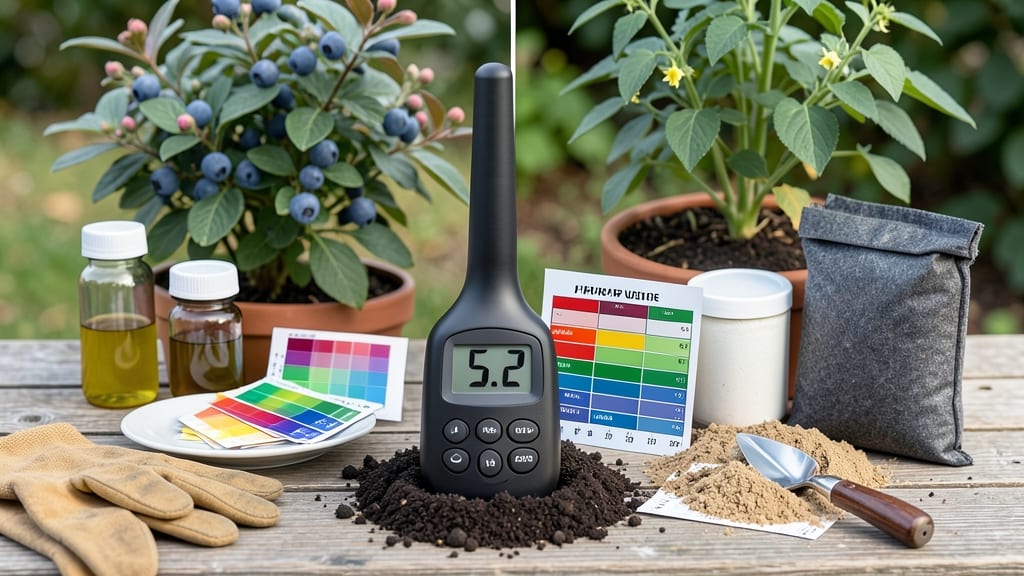
The soil pH range for optimal plant growth typically sits between 6.0 and 7.0, balancing acidity and alkalinity to maximize nutrient uptake. Specialty plants like blueberries thrive at lower levels (4.5-5.5), while vegetables such as broccoli prefer slightly alkaline soil (6.5-7.5).
The soil pH range directly impacts which nutrients your plants can access. 🌱 For example, phosphorus becomes available at 6.0-7.0, while iron—critical for chlorophyll production—locks up in alkaline soil above 7.5. That's why a 6.5 pH often works best for most garden vegetables, though exceptions exist.
Testing your soil every 2-3 years helps catch gradual shifts, especially after heavy rain or compost additions. I've seen gardens where a simple adjustment from 7.2 to 6.8 doubled tomato yields by unlocking trapped calcium.
Most home gardeners can test pH using affordable kits, but lab tests provide precise readings. Organic amendments like sulfur lower pH naturally, while crushed eggshells or wood ash raise it.
The key is patience—changing soil chemistry takes 3-6 months to stabilize. For container plants, I recommend testing annually since pH shifts faster in limited soil volumes.
💡 In This Article
- How Soil pH Affects Plant Nutrient Availability
- DIY Soil pH Testing Methods for Gardeners
How soil pH affects plant nutrient availability
Soil pH determines which nutrients become available to your plants through a delicate chemical balance. At a 6.0-7.0 pH, most essential nutrients like phosphorus, potassium, and calcium dissolve in soil water, making them accessible to roots.
This range creates the perfect "sweet spot" where hydrogen ions—abundant in acidic soil—don't block nutrient uptake, while hydroxide ions in alkaline soil don't precipitate valuable minerals. For instance, phosphorus solubility peaks at 6.0-7.0, which is why vegetables like tomatoes and peppers thrive here. 🌱
The chemistry gets fascinating when you look at micronutrients. Iron, for example, becomes locked up in alkaline soils above 7.5 because it forms insoluble iron oxides. That's why plants like blueberries, which need 4.5-5.5 pH, show classic iron deficiency symptoms (yellow leaves) when grown in neutral soil.
Conversely, manganese and zinc become less available below 5.5 due to increased hydrogen competition. This nutrient tug-of-war explains why soil pH adjustments can transform struggling plants into thriving ones overnight.
Extreme pH levels create major problems. Below 5.0, aluminum and manganese toxicity occurs as these metals dissolve in acidic conditions, damaging root systems. Above 8.0, calcium and magnesium precipitate out of solution, while boron and molybdenum become scarce.
I've seen gardens where a simple 1.0 pH shift turned lush lawns into patchy, nutrient-starved landscapes. The key is understanding that pH affects both what's available AND what's toxic in your soil.
Seasonal fluctuations also play a role. Heavy rainfall can temporarily lower pH by 0.5-1.0 units through leaching, while drought may concentrate alkaline minerals. Organic matter like compost buffers these changes naturally, while synthetic fertilizers can acidify soil over time.
That's why regular testing matters—what worked last season might need adjustment this year due to these natural variations. 💫
Consider this practical example: My neighbor's roses struggled until we tested their soil at 7.8. After adding elemental sulfur to lower pH to 6.5, the plants bloomed twice as much because iron and manganese became available.
The same adjustment would harm blueberries, proving how plant-specific soil chemistry truly is. This precision is why gardeners must know their plants' pH preferences before making amendments.
For container gardeners, the stakes are even higher since pH shifts faster in limited soil volumes. A potted azalea might need monthly checks if you're using tap water (often alkaline), while vegetable containers benefit from annual testing.
The lesson? Soil pH isn't just about numbers—it's about understanding the invisible chemistry that determines whether your plants feast or starve. ✨