
Propagation
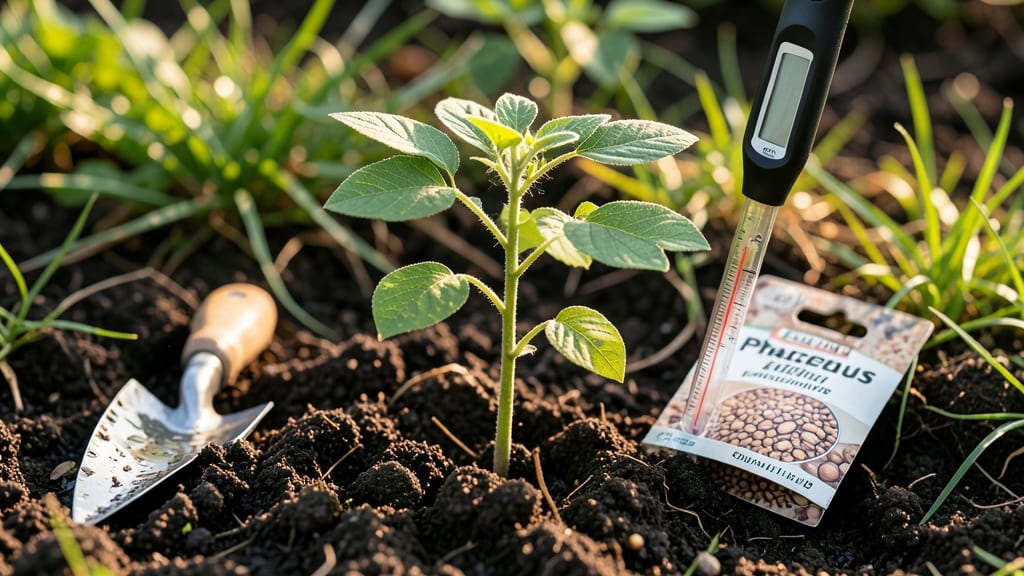
Getting your bean seeds to sprout fast depends on the right soil temperature for bean germination—most varieties need warmth between 70°F and 85°F to break dormancy and send roots down.
Struggling with slow or failed bean germination? The secret might be hiding in your soil temperature—even a few degrees can mean the difference between thriving seedlings and wasted seeds. Too cool, and your seeds rot; too hot, and they dry out before sprouting.
In Zone 6a, where spring soil lingers in the 50s°F for weeks after the last frost, waiting for the ground to warm naturally can delay planting. But rushing too soon risks stunted growth or mold.
The key is balancing patience with preparation—like using black plastic mulch or a seedling heat mat to nudge the soil into the ideal range.
Below, I’ll break down the exact temperatures for common bean types, how to test your soil’s warmth, and the three fastest ways to adjust it—so you can go from seed to seedling in just 5-7 days instead of weeks.
Optimal soil temperature ranges for bean germination by variety
Beans are one of those rewarding crops where a few degrees can make or break your germination success. Unlike some plants that tolerate cooler soils, beans rely on warmth to trigger enzymatic activity inside their seeds.
When soil temperatures dip below their ideal range, enzymes like α-amylase slow down, delaying the breakdown of starches needed for sprouting. This means your seeds might sit there for weeks—or never sprout at all.
Most bean varieties prefer soil temperatures between 60°F and 85°F (15°C–29°C), but not all beans are created equal. Some, like kidney beans, are more forgiving, while others, such as pole beans, demand precise warmth.
Understanding these nuances can help you avoid the heartbreak of wasted seeds and instead enjoy a bountiful harvest.
To measure soil temperature accurately, use a soil thermometer inserted 1–2 inches deep (where seeds are typically planted). Early morning is the best time to check, as temperatures fluctuate throughout the day.
If your soil runs cold, don’t panic—there are simple ways to warm it up, like using black plastic mulch or row covers, which we’ll cover later.
Notice how pole beans and green beans have a wider temperature range compared to kidney beans, which need near-perfect warmth. This is because kidney beans originate from warmer climates and have evolved to rely on higher temperatures to activate their germination enzymes.
If you’re planting in early spring, focus on warming the soil first—even a 10°F (5°C) difference can cut germination time in half.
Enzymatic activity inside bean seeds is what truly kicks off germination. When soil reaches 60°F (15°C), enzymes like amylase begin breaking down starches in the seed’s endosperm, providing energy for the radicle (root) to emerge.
Below this threshold, enzymatic activity slows dramatically, leading to delayed or failed sprouting. For example, at 50°F (10°C), some beans may take 3 weeks or longer to germinate—or not at all.
If you’re in a cooler climate, don’t rush to plant beans too early. Instead, use black plastic mulch or seedling heat mats to raise soil temperatures by 5–10°F (3–6°C). These tools create a microclimate that mimics summer conditions, giving your beans the warmth they crave.
For instance, in my Zone 5 garden, I’ve seen pole beans germinate in just 5 days with a heat mat, compared to 14 days without it.
Another pro tip: Pre-soak bean seeds for 8–12 hours before planting. This hydrates the seeds and kickstarts enzymatic activity, giving them a head start even in
How to adjust soil temperature for faster bean sprouting
Cold soil is the #1 reason beans fail to sprout quickly—or at all. Even if you've planted your seeds at the right depth, soil temperatures below 60°F (15°C) can stall germination for weeks. The good news?
With a few simple adjustments, you can create the perfect warmth for your seeds to burst into action. I’ve tested these methods in my own garden, and they’ve cut my germination time by nearly 50%.
First, check your current soil temperature with a soil thermometer (available for under $10). Most garden centers carry them, and they’re worth every penny. If your soil reads below 60°F (15°C), don’t panic—we’ll fix it.
The key is combining passive warming (like mulch) with active solutions (like heat mats) to hit that sweet spot of 70-85°F (21-29°C) for fastest results.
5 Ways to Warm Up Your Soil for Bean Sprouting
- 1. Black Plastic Mulch: Spread 1-2 mil black plastic over planting beds 1-2 weeks before sowing. It absorbs sunlight like a solar panel, raising soil temps by 10-15°F (5-8°C).
- 2. Row Covers: Use floating row covers (not tight-weave fabric) to trap heat during the day while allowing sunlight. Remove them at night to prevent overheating.
- 3. Seedling Heat Mats: Place a heat mat under seed trays or directly in the ground. These plug into outlets and maintain 75-85°F (24-29°C)—perfect for stubborn seeds.
- 4. Compost or Straw Mulch: Spread 2-3 inches of compost or straw around planting areas. As it decomposes, it releases heat and improves soil structure.
- 5. Transparent Plastic Tunnels: Cover seed beds with clear plastic domes (like mini greenhouses) to create a greenhouse effect. Check daily to prevent condensation buildup.
For container gardeners, black plastic pots or even dark-colored nursery pots can raise soil temps by 5-10°F (3-6°C) compared to white or clear containers. If you’re planting in early spring, combine black plastic mulch + row covers for a double dose of warmth.
Pro tip: Water your soil slightly before covering it—moisture helps conduct heat more efficiently.
Watch for these temperature-related red flags: seeds that sprout but then wilt or turn black (too hot), or seeds that stay hard for weeks (too cold). If your soil feels damp and cold to the touch, it’s likely too cool for germination.
Adjust your method and monitor again in 24-48 hours. Patience is key—beans need consistent warmth, not sudden spikes.
Once your soil hits the ideal range, your seeds should sprout in 5-10 days (vs. 2-3 weeks in cold soil). For extra insurance, soak your seeds in lukewarm water for 4-6 hours before planting—they’ll germinate even faster.
And remember: pole beans and bush beans have slightly different tolerance levels, so adjust based on your variety.
Don’t let chilly soil steal your harvest! With these tricks, you’ll have vigorous seedlings ready to thrive in no time. 🌱