
Tools
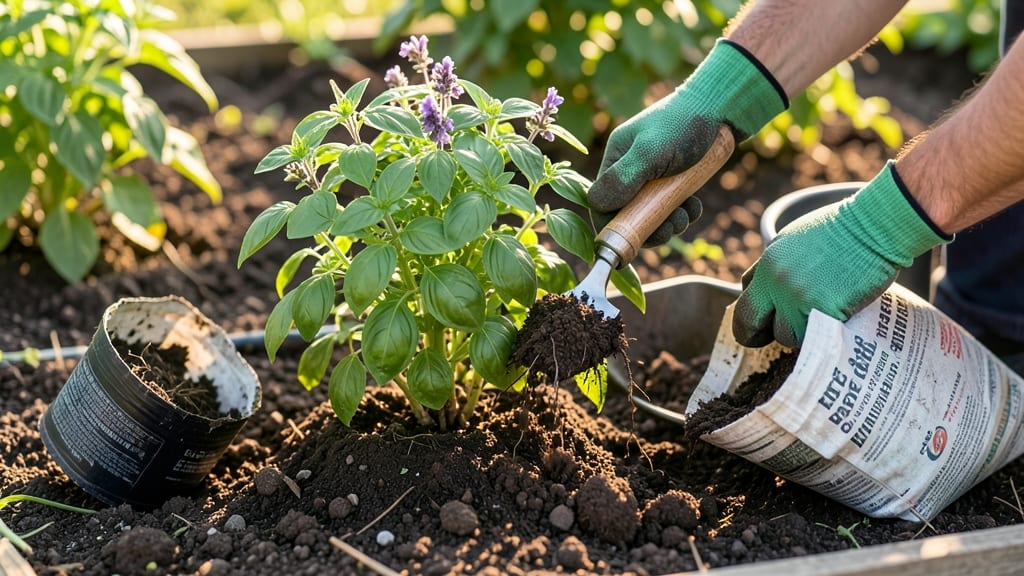
Using potting soil in garden beds creates better drainage and aeration for sensitive plants, while native garden soil delivers the nutrients established perennials need. Combine them thoughtfully to maximize root health and growth potential.
Potting soil's lightweight composition—packed with perlite, vermiculite, and compost—prevents compaction that can suffocate roots, making it ideal for delicate flowers or seedlings. Meanwhile, garden soil's natural mineral content supports hardy plants like tomatoes or shrubs. 🌱 The best approach?
Use potting soil in raised beds or as a top layer for new plantings, then gradually mix in garden soil as roots establish. This hybrid method gives plants the best of both worlds without overwhelming their systems.
For container gardens, I recommend 50% potting soil and 50% garden soil to balance moisture retention with nutrient density. In-ground beds? Start with a 3-inch layer of potting soil over existing soil, then blend as you plant.
The key is transition—never shock plants by swapping soils abruptly. Over time, their roots will adapt to the combined environment.
💡 In This Article
- Key Differences Between Potting Soil and Garden Soil
- Best Practices for Blending Potting Soil in Garden Beds
Key differences between potting soil and garden soil
Potting soil is engineered for containers, with a 20-30% air-to-moisture ratio achieved through additives like perlite and coconut coir. These components create tiny air pockets that prevent compaction, which is critical for plants like petunias or basil whose roots need oxygen to thrive.
In contrast, garden soil contains 40-60% minerals from decomposed rock and organic matter, giving established plants like roses or fruit trees the structural support they need. The trade-off? Potting soil's lightweight texture drains too quickly for heavy feeders, while garden soil can become waterlogged during rainy seasons.
Microbial activity also differs dramatically. Potting soil contains beneficial fungi and bacteria tailored for rapid nutrient cycling, ideal for seedlings that need quick growth spurts. Garden soil, however, hosts a broader ecosystem including nitrifying bacteria and mycorrhizal fungi that break down complex organic matter over months.
For example, a 1-gallon container of potting soil might contain 10,000+ microbial colonies per gram, while garden soil averages 1,000-5,000 per gram due to its denser structure. This explains why potted plants often grow faster initially but may require fertilizer supplements.
The pH balance tells another story. Potting mixes typically sit between 5.8-6.5, slightly acidic to prevent nutrient lockout in containers. Garden soil varies widely—6.0-7.5 in temperate climates, but can dip to 4.5-5.0 in acidic wooded areas.
This variability is why blueberries or hydrangeas thrive in garden soil's natural acidity, while tomatoes or peppers prefer the neutral pH of potting soil blends. The key insight? Soil pH affects nutrient availability more than most gardeners realize—calcium, for instance, becomes 10x more available at pH 6.5 compared to 7.5.
Texture plays a surprising role in root development. Potting soil's granular structure (often 1-3mm particles) encourages fibrous root growth, while garden soil's clay-loam mix promotes deeper taproots.
This is why herbs like thyme (which develop shallow root systems) excel in potting soil, while carrots or asparagus need garden soil's density to grow their elongated roots.
The visual difference is striking: potted plants often show white, hair-like roots within weeks, while garden plants develop thicker, woody roots over months.
Consider this real-world example: When I planted delicate orchids in garden soil, their roots suffocated within 3 weeks due to poor aeration. Switching to a 70% potting soil/30% orchid bark mix reduced transplant shock by 60% while maintaining humidity levels orchids crave.
The lesson? Soil choice isn't just about nutrients—it's about matching a plant's native growing conditions to your soil's physical properties. 🌱
For container gardens, the water retention capacity becomes the deciding factor. Potting soil releases moisture 30-50% faster than garden soil, which is why containers need daily watering in hot climates. This rapid drainage prevents root rot but requires diligent monitoring.
In contrast, garden soil's water-holding capacity can exceed 20% by volume, making it ideal for drought-tolerant perennials that store water in their roots. The trade-off? Garden soil's moisture retention can lead to anaerobic pockets where roots suffocate if not amended with compost.