
Vegetables
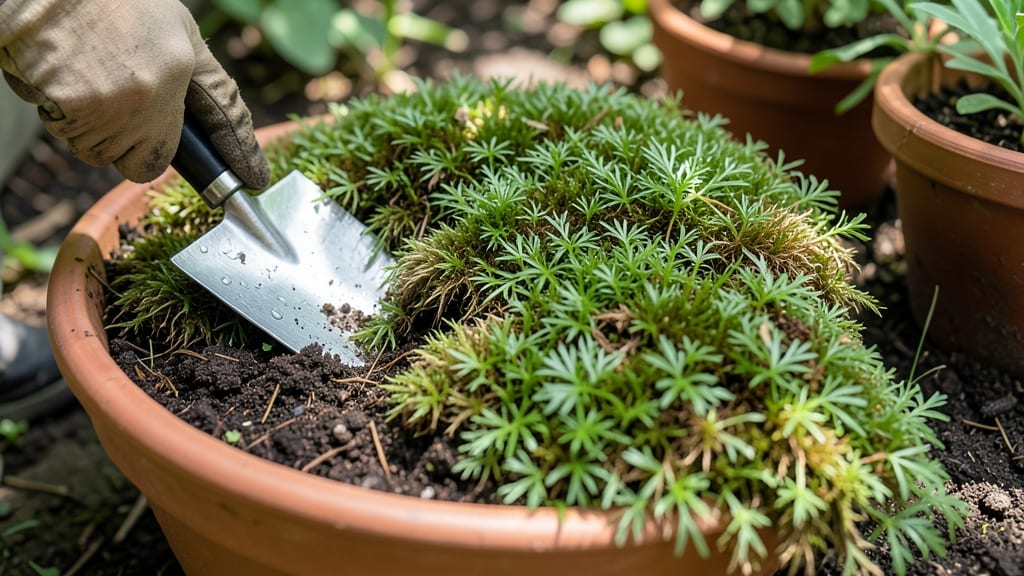
Soil turns green when algae blooms, moss growth, or copper deposits appear—each caused by excess moisture, poor drainage, or chemical treatments. Algae creates slimy patches in shaded areas, while copper sulfate leaves a distinct blue-green tint.
Green soil isn't always a sign of healthy plants—it often points to underlying issues like poor drainage or chemical imbalances. 🌱 Algae and moss love damp conditions, spreading rapidly in shady spots where sunlight can't penetrate.
Copper stains, on the other hand, come from fungicides or treated wood, leaving a metallic sheen that's harder to remove. The key difference? Organic growth feels spongy, while mineral stains appear powdery when dry.
If you're dealing with algae or moss, improving airflow and sunlight exposure usually solves the problem. For copper stains, a simple vinegar rinse or commercial soil acidifier can help neutralize the minerals. Always test a small area first—some treatments can alter soil pH unexpectedly.
💡 In This Article
- How Algae and Moss Cause Green Soil Discoloration
- Identifying Copper and Mineral Stains in Garden Soil
How algae and moss cause green soil discoloration
Algae and moss thrive in soil when conditions create the perfect storm of moisture, shade, and organic nutrients. These green intruders aren't just cosmetic—they're biological responses to specific environmental triggers.
Algae, which appears as slimy green patches, is actually a collection of microscopic photosynthetic organisms that multiply rapidly in damp conditions with 10-20% moisture content. Moss, with its softer, velvety texture, prefers even more consistent moisture and lower light levels, often spreading where sunlight barely reaches.
The key difference lies in their growth patterns and soil impact. Algae forms in thin layers that can smother plant roots by blocking oxygen, while moss creates a dense mat that can alter soil pH over time (typically making soil more acidic).
Both thrive in shaded areas receiving less than 4 hours of direct sunlight daily, where evaporation rates drop below 0.25 inches per week.
The green color comes from chlorophyll production—just like in plants—but these organisms don't have true roots, stems, or leaves, making them opportunistic colonizers rather than permanent residents.
What makes this particularly problematic is how quickly these organisms can transform your soil's ecosystem. A single algae bloom can double in size within 7-10 days under ideal conditions, while moss spreads via spores that can travel on wind or water.
The organic matter they add isn't always beneficial—some algae species produce toxins that inhibit beneficial microbial activity. This explains why green soil often correlates with reduced plant vitality despite appearing lush.
Interestingly, the texture provides key clues: Algae feels slippery when wet and leaves a faint green residue when dry, while moss maintains its soft, sponge-like consistency. Both will leave behind a slightly musty aroma when disturbed—a telltale sign of their biological activity.
The good news is that addressing moisture levels (through better drainage or reduced watering) can significantly reduce their presence within 2-4 weeks of intervention.
For gardeners, understanding this biological mechanism helps explain why some areas of your yard stay green while others don't. The moisture gradient in your landscape—where water collects after rain or irrigation—creates perfect conditions for these organisms to establish themselves.
This is why you'll often see green soil along foundation walls, under dense tree canopies, or in low-lying areas where water naturally pools.