
How To
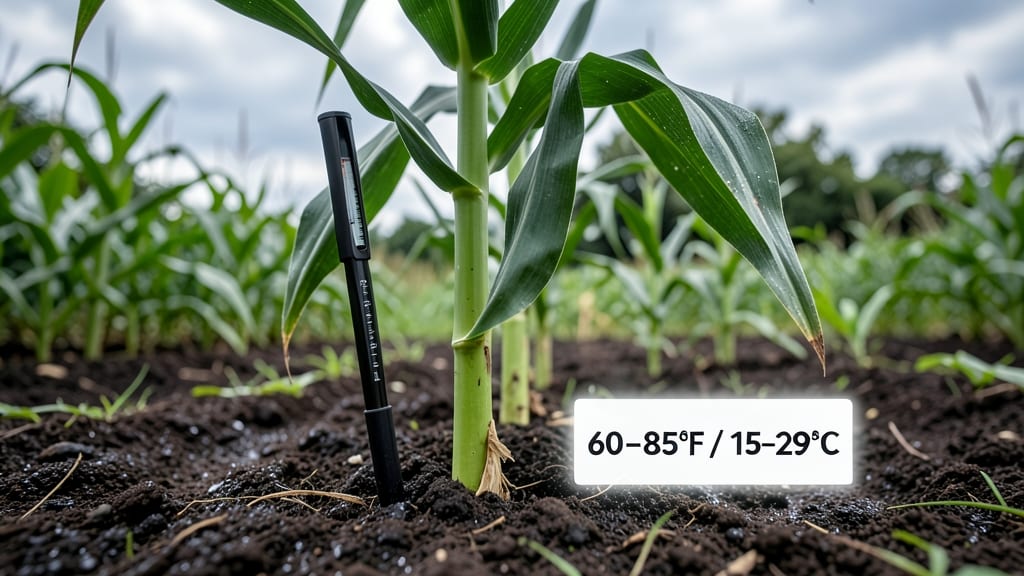
Getting your corn seeds to sprout fast depends on one critical factor: the soil temperature must hit at least 50°F—any lower, and germination slows to a crawl.
Struggling to get your corn seeds to sprout quickly? The secret lies in soil temperature—and getting it wrong can mean the difference between a thriving crop and wasted effort.
In Zone 6a, where spring soil can linger cold for weeks, planting too early often leads to patchy germination or seeds that rot before they even sprout. But with the right timing and a few simple adjustments, you can turn that 🌽 into a lush, productive stand.
Here’s how to check your soil’s readiness, adjust for faster growth, and troubleshoot common mistakes that stall your corn before it even takes off.
Optimal soil temperature ranges for corn germination by seed type
Corn seeds are picky about soil temperature—too cold, and they rot; too hot, and they dry out before sprouting. The ideal germination range for most corn varieties sits between 50°F and 95°F, but not all types thrive equally within this window.
Understanding these temperature thresholds can double your germination success rate and accelerate seedling growth by up to 50%.
Sweet corn, the most common backyard variety, germinates best at 60°F–85°F, while field corn (used for livestock or ethanol) tolerates slightly cooler 55°F–80°F soils. Popcorn, often overlooked, has the narrowest optimal range of 65°F–80°F. Even a 5°F deviation can delay sprouting by 3–5 days, so precision matters.
Why does temperature matter so much? Corn seeds require warmth to activate enzymes that break down stored nutrients. Below 50°F, germination stalls entirely, while above 95°F, seeds risk dehydration or fungal infections. The sweet spot? 70°F–75°F delivers the fastest, healthiest starts for all three types.
| Corn Type | Optimal Germination Range (°F) | Minimum Viable Temp (°F) | Maximum Safe Temp (°F) | Germination Time (Days) | Warning Signs of Stress |
|---|---|---|---|---|---|
| Sweet Corn | 60°F–85°F | 50°F | 90°F | 5–10 days | Mushy seeds, slow sprouts |
| Field Corn | 55°F–80°F | 45°F | 85°F | 7–14 days | Stunted roots, gray seeds |
| Popcorn | 65°F–80°F | 55°F | 85°F | 6–12 days | Blackened kernels, weak sprouts |
Sweet corn seeds, like Silver Queen or Ambrosia, germinate fastest at 70°F–75°F. At these temperatures, you’ll see sprouts emerge in just 5–7 days. Drop below 60°F, though, and germination can stretch to 14+ days, leaving seedlings vulnerable to frost or pests.
For early spring planting, use black plastic mulch to raise soil temps by 5–10°F.
Field corn, such as Pioneer 33B64, is hardier but still benefits from consistent warmth. Planting when soil hits 60°F ensures strong root development, while cooler 50°F–55°F soils slow growth and increase disease risk. Late-season varieties like Mo17 can tolerate slightly cooler soils but may produce smaller ears if stressed.
Popcorn lovers take note: varieties like Tom Thumb or Golden Bantam demand precise conditions. Below 65°F, seeds may fail to sprout entirely, while above 85°F, they risk drying out before emerging. A soil thermometer is your best friend here—monitor temps daily for 3–5 days pre-planting to avoid surprises.
Watch for warning signs of temperature stress: seeds that smell sour or turn grayish are rotting from cold soil, while seeds that look shriveled or fail to swell are suffering from heat stress. Seedling leaves that appear yellow or curled also signal temperature-related issues.
Act fast—correcting soil temps within 24–48 hours can save your crop.
Pro tip: If your soil runs 10°F below optimal, try warming it with compost or a clear plastic tunnel 2–3 days before planting. For hot climates, shade cloth can prevent soil temps from exceeding 90°F, protecting delicate seedlings from heat shock.
Remember, consistency is key. Soil temps fluctuating by more than 10°F daily can stunt growth or trigger fungal diseases. Use a soil thermometer (inserted 2–3 inches deep) to track conditions, and plant when temps are stable in your corn’s ideal range.
🌱
How to measure and adjust soil temperature for faster corn growth
Corn seeds need consistent soil warmth to germinate quickly, and testing your soil temperature is the first step to success. Without proper warmth—typically 60°F (15°C) or higher—your seeds may rot in the ground or sprout unevenly.
I’ve learned the hard way that rushing planting because of eagerness often leads to poor germination, so let’s fix that with science-backed methods.
Start by checking your soil temperature using a soil thermometer, available for under $10. Insert the probe 4–6 inches deep, where corn seeds are typically planted, and wait 30 seconds for an accurate reading.
Morning is the best time to test since soil cools overnight. If your reading is below 50°F (10°C), your seeds won’t germinate—even if the air feels warm.
- 🌡️ Test soil temperature daily for 3 days. Aim for 60°F+ (15°C+) at planting depth.
- ☀️ Warm cold soil with black plastic mulch (lay 2–3 weeks before planting) or row covers.
- 📅 Delay planting if temps drop below 50°F (10°C)—wait for stable warmth.
If your soil is too cold, don’t panic—there are natural ways to warm it up. Spread black plastic mulch over the planting area 2–3 weeks before sowing to absorb sunlight and raise temperatures by 5–10°F (3–6°C).
For smaller gardens, use row covers or even old cardboard painted black. Avoid synthetic materials that trap too much heat and risk overheating roots.
Timing is everything: plant corn when soil stays consistently above 60°F (15°C) for at least a week. In cooler climates, this might mean waiting until late May or early June.
Use a minimum-maximum thermometer to track fluctuations—if nights dip below 55°F (13°C), your seedlings could struggle. Pro tip: plant deeper (1–2 inches) in cooler soils to reach warmer layers.
When in doubt, delay planting. Corn seeds won’t wait, but your patience will pay off with stronger, faster-growing plants. I once planted too early in a 52°F (11°C) soil and lost half my seeds to rot.
Since then, I’ve made it a rule to wait for stable warmth—no exceptions. Your future corn stalks will thank you with plump ears and fewer pests.
For extra insurance, mix compost or aged manure into the soil before planting. Organic matter retains heat and improves drainage, creating the perfect environment for fast germination and robust growth. Just avoid fresh manure, which can overheat seeds and cause damage. 🌱