
How To
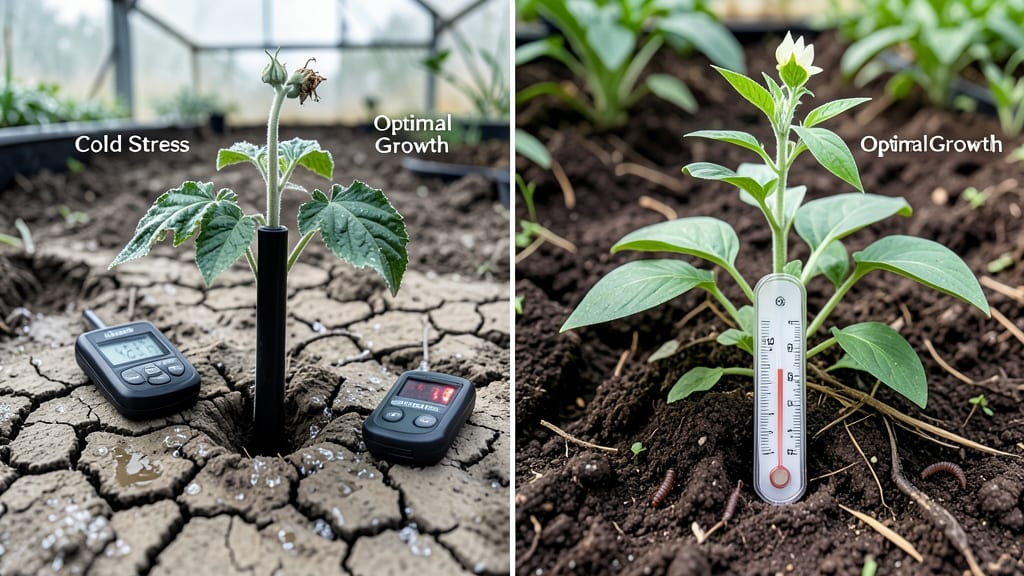
Soil temperature and composition are the foundation of healthy plant growth, controlling everything from root expansion to nutrient uptake; maintaining levels between 60°F and 75°F ensures optimal microbial activity and cellular function across most plant species.
Soil temperature doesn't just affect how fast plants grow—it dictates which nutrients become accessible to roots.
For example, phosphorus becomes far more soluble in warmer soil, but iron binds tightly in alkaline conditions when temperatures rise. 🌱 Extreme heat can also trigger oxidative stress in roots, while cold temperatures slow microbial decomposition, leaving essential nutrients locked away.
That's why gardeners often see stunted growth during sudden temperature swings, even with perfect soil pH.
Beyond the science, practical adjustments make all the difference. Adding organic mulch like straw keeps soil cooler in summer and warmer in winter, while drip irrigation systems maintain moisture levels that prevent heat shock.
Container plants need extra attention—small pots heat up faster than in-ground beds, so I always use light-colored pots and water them twice daily during heatwaves. The goal is to create a stable microclimate where roots can thrive without stress.
💡 In This Article
- How Temperature Shifts Alter Soil Chemistry and Root Health
- Adjusting Soil Conditions for Heat-Sensitive Plants
How temperature shifts alter soil chemistry and root health
Temperature acts like a thermostat for soil chemistry, directly controlling which nutrients become available to roots. For instance, phosphorus—critical for energy transfer in plants—becomes 10 times more soluble at 77°F compared to 50°F, while iron binds tightly in alkaline soils when temperatures exceed 80°F.
This explains why phosphorus deficiencies often appear in cool soils, even when tests show adequate levels. The root enzymes responsible for nutrient uptake, like phosphatases, also operate at peak efficiency between 68°F and 77°F, slowing dramatically outside this range. 🔥
Microbial activity follows a similar pattern: beneficial bacteria and fungi decompose organic matter 2-3 times faster at 75°F than at 50°F, but extreme heat (90°F+) kills beneficial microbes while promoting pathogenic fungi.
This is why compost heats up—microbes work overtime breaking down materials, but if it exceeds 140°F, the process becomes harmful. Cold soils (40°F) also freeze microbial populations, leaving nutrients locked in organic matter instead of being converted to plant-available forms.
Extreme temperatures disrupt root cellular function in predictable ways. Heat stress above 85°F triggers oxidative damage by producing reactive oxygen species that attack cell membranes, while cold below 45°F causes chilling injury—visible as brown, mushy roots in tropical plants like tomatoes.
Even short exposures to 95°F+ soil can kill root tips within 24 hours, halting nutrient absorption. This is why container-grown plants often suffer more in summer—their roots can't escape the heat like in-ground plants. 🌱
Plant species respond differently to these shifts. Cool-season crops like lettuce and spinach thrive at 55-65°F soil temperatures, while warm-season plants such as peppers and cucumbers need 70-85°F to germinate properly.
The difference lies in their cellular membranes: cool-season plants have higher levels of unsaturated fats that remain fluid in cold soils, while warm-season plants contain saturated fats that stay flexible only in heat.
This biochemical adaptation explains why planting warm-season crops too early results in poor germination, even with perfect soil moisture.
One often-overlooked factor is how temperature affects soil moisture dynamics. Warmer soils evaporate water 30-50% faster than cooler ones, creating a vicious cycle where plants dry out more quickly, forcing roots to seek deeper moisture.
This is why mulching becomes essential in summer—it reduces soil temperature by 10-15°F while retaining moisture. The opposite occurs in winter: cold soils hold moisture longer, but microbial activity slows, preventing nutrient release. This explains why spring fertilization often requires additional microbial stimulants to "wake up" the soil ecosystem. ✨
Understanding these mechanisms helps explain why plants exhibit stress symptoms that don't match soil test results. For example, yellowing leaves in summer might indicate heat stress blocking iron uptake, even when iron levels are adequate.
The solution isn't more fertilizer—it's adjusting the growing environment to match the plant's temperature needs. This is where practical adjustments, like shade cloth or mulch, become science-backed strategies rather than guesswork. 💫