
How To
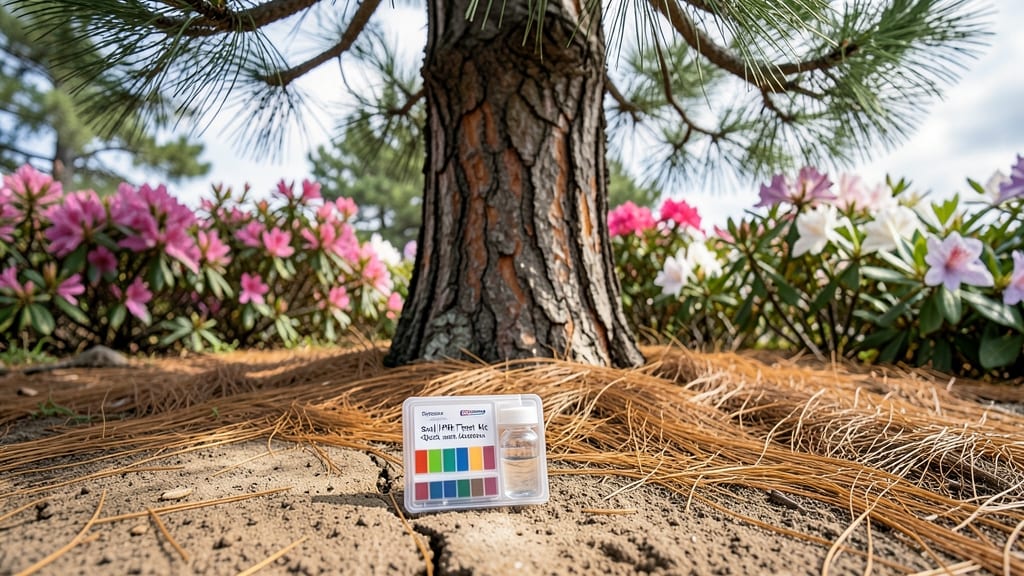
Pine needles do make soil acidic, typically lowering pH between 3.0 to 5.0 over time due to their high tannin and organic acid content, creating ideal conditions for acid-loving plants like blueberries, azaleas, and rhododendrons.
When pine needles break down, they release natural acids that gradually acidify the soil—this process is especially effective in sandy or well-draining soils where nutrients leach quickly. 🌲 The tannins in pine needles act like a slow-release fertilizer, not just lowering pH but also improving soil structure over months.
I’ve seen gardeners use them to revive over-alkaline soil, though it takes patience since the effects build up over seasons rather than weeks.
For best results, spread a 2-3 inch layer of fresh or dried pine needles around acid-loving plants in early spring. Pair them with other organic amendments like coffee grounds or peat moss to accelerate the pH drop.
Just avoid overdoing it—too many needles can create a thick, water-repellent mat that smothers plant roots.
💡 In This Article
- How Pine Needles Acidify Soil: Chemical Breakdown and pH Impact
- Best Uses for Pine Needles in Acid-Loving Gardens
How pine needles acidify soil: chemical breakdown and pH impact
Pine needles contain tannins (up to 10% of their dry weight) and organic acids like oxalic and citric acid, which break down slowly when they decompose.
As these compounds decompose, they release hydrogen ions (H+) into the soil, directly lowering the pH. Unlike fast-acting fertilizers, this process happens gradually—over 6-12 months—making pine needles a long-term soil amendment rather than an instant fix. 🔥
The pH drop depends on soil type: in sandy soils, pine needles can lower pH by 0.5-1.0 points per year due to poor buffering capacity, while clay soils may resist change more.
For comparison, oak leaves (which contain tannins too) raise pH slightly over time because their decomposition produces more alkaline byproducts. Grass clippings, meanwhile, have a neutral to slightly alkaline effect, making pine needles uniquely effective for acid-loving plants.
Temperature and moisture accelerate the process—pine needles decompose 30-50% faster in warm, humid climates (like the Southeast U.S.) than in cool, dry areas. The needles' waxy coating slows initial breakdown, but once microorganisms colonize the surface, decomposition ramps up.
This is why gardeners in Zone 7-9 see faster results than those in Zone 4-5. 🌱
What makes pine needles special is their dual action: they not only acidify soil but also improve drainage and suppress weeds. The 2-4 inch layer of needles creates a spongy mat that retains moisture while allowing excess water to drain—ideal for plants like azaleas that dislike soggy roots.
Unlike synthetic amendments (e.g., sulfur), pine needles work without risking over-acidification, though they won’t reverse severe alkalinity (pH >7.5) alone.
For maximum effect, combine pine needles with peat moss (which has a pH of ~3.5-4.5) or coffee grounds (pH ~6.2-6.8 when fresh). The coffee grounds add nitrogen and further lower pH, while peat moss provides a fine texture that blends well with sandy soils.
Over time, this combo can shift pH from 6.5 to 5.0—a sweet spot for blueberries and hydrangeas.
The key takeaway? Pine needles are nature’s slow-release acidifier, but their magic lies in patience. Unlike quick fixes, they build soil health over years, making them a gardener’s secret weapon for acid-loving plants. 💫