
How To
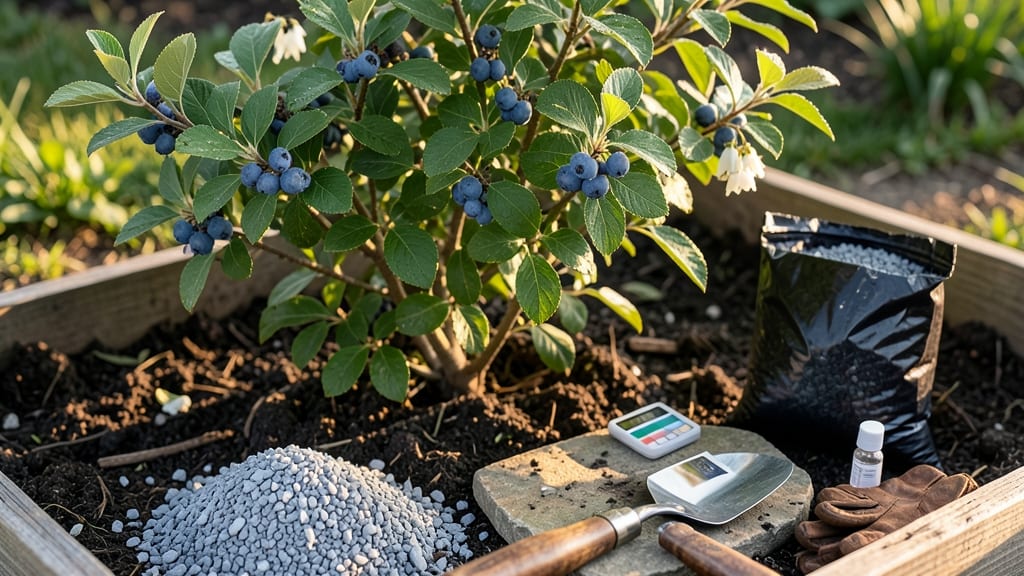
Wood ash does not make soil acidic—it actually raises soil pH by neutralizing acidity, making it more alkaline. However, overuse can disrupt nutrient balance, harming acid-loving plants like blueberries or azaleas. Use sparingly, testing soil first.
Wood ash contains alkaline compounds like potassium carbonate and calcium oxide that react with acidic soil components, effectively reducing hydrogen ions and raising the pH level. 🌱 This chemical process is why gardeners often use it to combat overly acidic conditions, but the effect varies depending on soil composition and application rate.
For example, sandy soils respond faster than clay-heavy ones, so always start with a small amount and monitor changes with a soil test kit.
While wood ash can be beneficial for certain plants like tomatoes or peppers that thrive in slightly alkaline conditions, it's crucial to avoid overapplication. Excessive use can create nutrient imbalances, particularly by increasing potassium levels while depleting phosphorus availability.
I recommend mixing ash into the top 2-3 inches of soil rather than spreading it on the surface, and pairing it with compost to maintain overall soil health.
💡 In This Article
- How Wood Ash Affects Soil pH Chemistry
- When and How to Use Wood Ash in Gardens
How wood ash affects soil pH chemistry
Wood ash primarily contains alkaline compounds like potassium carbonate and calcium oxide, which react with acidic soil components through a process called neutralization. When ash dissolves in water, it releases hydroxide ions (OH⁻) that bind with hydrogen ions (H⁺) in acidic soil, effectively reducing acidity.
This chemical reaction shifts the soil's pH toward neutrality or alkalinity, depending on the initial acidity level. For instance, a soil with a pH of 5.5 might rise to 6.0-6.5 after application, creating a more balanced environment for many plants.
The alkaline effect isn't just about potassium—calcium and magnesium in ash also play roles. Calcium, for example, helps improve soil structure by promoting the formation of stable soil aggregates, while magnesium acts as a micronutrient for plant growth.
However, the pH shift depends on factors like ash fineness and soil type. Coarse ash dissolves slower than finely ground ash, so texture matters. Sandy soils respond faster because their loose structure allows quicker chemical reactions, while clay soils may require more time to show noticeable changes.
Here's what happens at a microscopic level: when wood ash mixes with acidic soil, the hydrogen ions (H⁺) from organic acids like humic acid or aluminum ions (Al³⁺) from clay minerals react with the alkaline compounds in ash. This reaction forms water (H₂O) and salts, reducing the soil's overall acidity.
The result is a more stable pH environment where essential nutrients like nitrogen and phosphorus become more available to plants. Think of it like adding baking soda to lemon juice—both neutralize each other's extremes.
However, the chemical balance isn't permanent. Rainwater can gradually wash away the alkaline compounds, especially in sandy soils with poor water retention. This is why gardeners often apply ash in early spring or late fall, when rainfall is less intense.
The temporary nature of the pH boost means regular monitoring is key—soil tests every 6-12 months help maintain optimal conditions without overcorrecting. For example, a soil test showing pH 5.0 might need ash, but one at pH 6.5 could become too alkaline if more is added.
One common misconception is that all wood ash behaves the same. Hardwood ash (from oak or maple) tends to be more alkaline than softwood ash (from pine or cedar) because of its higher calcium content.
Softwood ash may contain more organic residues that break down slowly, offering a gentler pH adjustment. Always use ash from untreated wood—chemically treated lumber can introduce harmful compounds into your soil. The key is matching the ash type to your soil's specific needs.
Consider this real-world example: in a vegetable garden with acidic soil (pH 5.2), applying 1 pound of wood ash per 100 square feet might raise the pH to 6.0—ideal for tomatoes or peppers.
But the same amount on blueberry bushes (which need pH 4.5-5.0) could be disastrous, stunting growth by making the soil too alkaline. This is why knowing your plants' pH preferences is as important as understanding the ash's chemistry.
The takeaway? Wood ash is a powerful but precise tool. Its alkaline properties neutralize acidity through chemical reactions, but the effects are temporary and plant-specific. Always test your soil first and apply ash thoughtfully—like a gardener fine-tuning a recipe, not dumping in random ingredients. 🌱