
Blooming
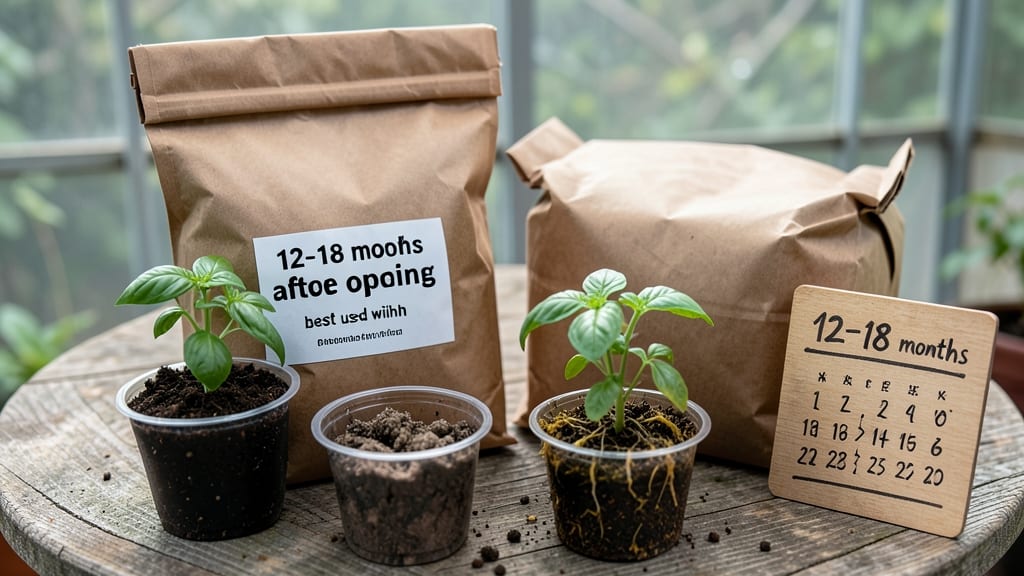
How long potting soil lasts depends on its composition and care, but most types degrade within 1-3 years. Organic materials break down over time, while moisture retention and root activity accelerate nutrient loss. Replace it when drainage slows, the texture becomes compacted, or plants show signs of nutrient deficiency.
Potting soil doesn't last forever because its organic components—like compost and peat moss—break down as microbes decompose them. 🌱 Over time, this process reduces aeration and drainage, creating a dense, waterlogged mess that roots struggle to penetrate.
I've seen potting mixes last longer in containers with good airflow or when mixed with perlite, but even then, they'll eventually lose their structure. The key is monitoring your plants: if they wilt quickly after watering or develop yellow leaves despite regular feeding, it's time for a refresh.
Another clue is the soil's smell—foul odors signal microbial overgrowth from excess moisture, while a musty scent points to fungal issues. For container gardens, I recommend refreshing the top 2-3 inches of soil annually as a quick fix, but full replacement every 2-3 years ensures optimal growing conditions.
Sterilized mixes last slightly longer, but they still need replenishing since they lack the beneficial microbes found in natural soils.
💡 In This Article
- Factors That Shorten Potting Soil Lifespan
- Signs Your Potting Soil Needs Replacement
Factors that shorten potting soil lifespan
Potting soil degrades primarily due to microbial decomposition of its organic components. Peat moss, compost, and coconut coir—common ingredients—break down as soil microbes convert them into simpler compounds, releasing nutrients but also altering the soil's structure.
This process accelerates in warm, moist environments where microbial activity peaks, typically reducing soil volume by 10-20% annually. For example, a bag of potting mix with 50% peat moss may shrink visibly within 6-12 months if kept consistently damp.
The presence of roots further accelerates degradation. As plants grow, their roots exude enzymes that break down organic matter faster, while also competing for nutrients that would otherwise sustain microbial life.
In sterilized potting mixes (often used for seed starting), this process slows significantly because they lack the diverse microbial communities found in natural soils.
However, even sterilized mixes lose their ideal texture over time due to physical compaction from watering and handling, which can reduce pore space by upstrong>30% within 18 months. 🌱
Moisture levels play a critical role in soil longevity. Overwatering creates anaerobic conditions that promote harmful fungal growth (like Pythium), which not only depletes oxygen but also breaks down soil structure more aggressively than beneficial microbes.
Conversely, chronically dry soil leads to organic matter oxidation, turning dark brown compost into a brittle, grayish residue. I've observed that containers without drainage holes degrade 20-30% faster than those with proper aeration, as waterlogged conditions accelerate both microbial activity and compaction.
Another often-overlooked factor is the pH balance. As organic matter decomposes, it releases acids that gradually lower soil pH, sometimes dropping from an ideal 6.0-7.0 to 5.0 or below within 2 years. This acidification not only affects nutrient availability but also inhibits beneficial microbial activity.
For instance, nitrogen becomes locked up in forms plants can't access when pH falls below 5.5, leading to stunted growth even with regular fertilization. Testing soil pH annually can help predict replacement needs before visual signs appear.
Physical stress from repotting or handling also shortens soil life. Every time you sift through soil to check moisture or repot plants, you disrupt the delicate aggregate structure that supports aeration.
Over 3-4 repotting cycles, this can reduce the soil's water-holding capacity by 40% or more, making it prone to either drying out too quickly or becoming waterlogged. Even gentle handling contributes to this breakdown, which is why professional growers often use fresh mixes for each planting cycle.
Consider these key factors when evaluating your soil's health:
- Organic content: Higher compost/peat mixes degrade faster than mineral-based blends
- Container size: Small pots (6-inch diameter) need replacement every 12-18 months due to rapid root saturation
- Watering habits: Consistent overwatering reduces lifespan by 30-50% compared to balanced moisture
- Plant type: Heavy feeders (like tomatoes) deplete nutrients 2x faster than low-maintenance plants