
Light Requirements
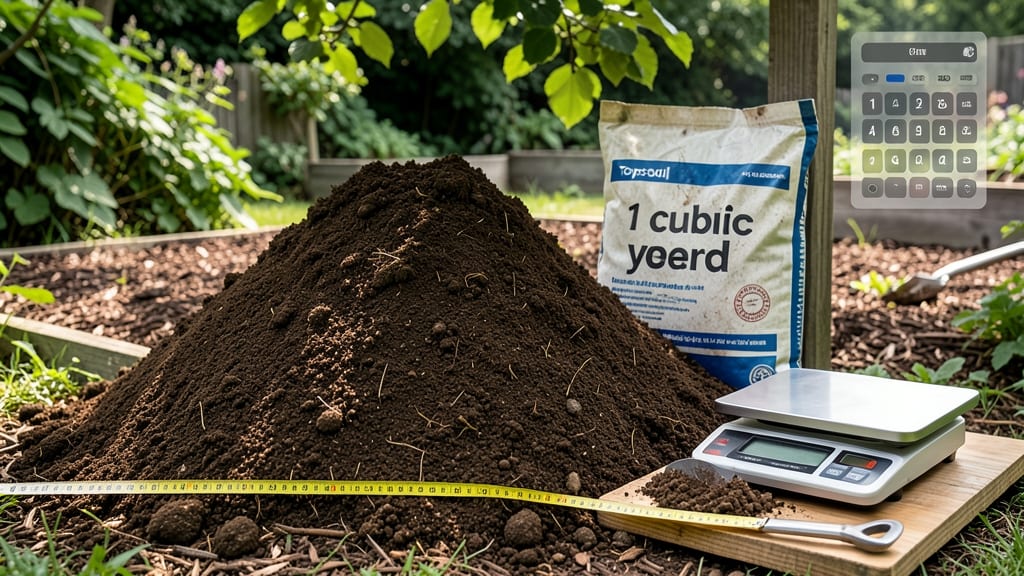
To determine how much 5 yards of topsoil weighs, you'll find it typically ranges from 2,000 to 2,500 pounds, with variations based on moisture levels and soil density. Standard topsoil usually weighs between 1,000–1,200 pounds per cubic yard.
Understanding this weight range helps with project planning, especially when calculating truck capacity or labor needs. 🔥 For example, a 10-cubic-yard delivery could easily exceed 20,000 pounds, requiring heavy-duty equipment.
The moisture content plays a huge role—wet soil can weigh up to 50% more than dry soil, so always account for seasonal variations when ordering bulk quantities. I've found that pre-measuring depth (usually 4-6 inches for most projects) helps avoid overestimating or underestimating your soil needs.
This weight estimate also impacts cost calculations, as delivery fees often scale with weight rather than volume. Clay-heavy soils tend to be denser and heavier, while sandy soils are lighter but may not retain moisture as well.
Always ask your supplier for a moisture-adjusted weight estimate if you're working with particularly dry or wet conditions.
💡 In This Article
- Topsoil Weight Factors: Moisture, Density, and Compaction
- Calculating Topsoil Weight for Landscaping Projects
Topsoil weight factors: moisture, density, and compaction
Moisture content is the single biggest factor affecting topsoil weight. When soil is saturated, it can weigh up to 50% more than when completely dry.
For example, a cubic yard of dry topsoil might weigh 1,100 pounds, but when damp (like after rain), that same volume could reach 1,650 pounds. This happens because water fills the pores between soil particles, adding significant bulk weight without increasing volume. 💫
Density variations create another major difference. Sandy topsoil typically weighs 1,000–1,100 pounds per yard due to its loose particle structure, while clay-heavy soils can exceed 1,300 pounds per yard because the particles pack more tightly.
The mineral composition matters too—organic-rich topsoil (with decomposed plant matter) often weighs slightly less than mineral-heavy soils because organic material has lower density than minerals like quartz or feldspar.
Compaction plays a critical role in weight calculations. Loose, freshly delivered topsoil occupies more space but weighs less per cubic foot. Once spread and compacted (like with a lawn roller), the same volume can weigh 10–20% more because particles settle into tighter arrangements.
This is why professional landscapers always specify whether they need "loose" or "compacted" soil weights for accurate project planning.
Regional differences further complicate weight estimates. Topsoil from volcanic regions (like Hawaii) contains heavier minerals like basalt, while coastal soils often include lighter sand particles. Even within the same area, seasonal changes affect weight—spring soil may be 30% heavier than summer soil due to higher moisture retention during cooler months.
Here's a quick comparison to visualize the impact:
- Sandy soil: 1,000–1,100 lbs/yd³ (lightest, least moisture retention)
- Loamy soil: 1,100–1,200 lbs/yd³ (balanced, most common for gardening)
- Clay-heavy soil: 1,200–1,300+ lbs/yd³ (heaviest, highest moisture capacity)
For your 5-yard project, always ask your supplier for the moisture-adjusted weight—this single detail can save you hundreds of pounds in unexpected delivery costs or labor challenges. A 10% moisture difference across 5 yards could mean an extra 1,000 pounds to move! ⚡