
Light Requirements
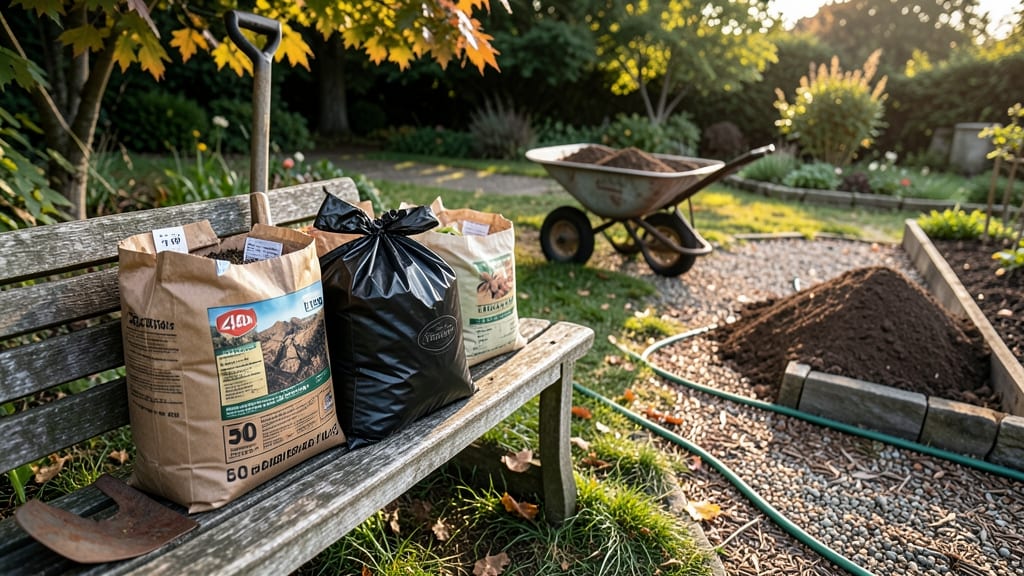
How much does a bag of topsoil cost? In 2024, you’ll typically pay $2 to $6 per 40-pound bag, but prices shift based on soil type (compost-blended, clay-heavy, or organic) and where you shop. Bulk purchases cut costs, while delivery fees can add up for heavy loads. Local garden centers and online sellers often beat big-box store prices.
A bag of topsoil’s price tag reflects more than just weight—it’s tied to the soil’s composition and intended use. 🌱 Organic topsoil, enriched with compost or peat moss, often costs more ($4–$6 per bag) because of its nutrient density, while standard screened soil runs $2–$4.
Regional soil types (like clay-heavy or sandy) also play a role, as do additives like lime or fertilizer. For example, a 1-cubic-yard delivery (about 27 bags) might drop the per-bag cost by 30–50% when bought in bulk.
Your best deals usually come from local suppliers who source soil regionally, avoiding shipping costs. I’ve found that garden centers often undercut big-box stores by $1–$2 per bag because they skip middlemen.
Online retailers like Amazon or Wayfair may offer convenience but watch for hidden fees—some charge extra for heavy deliveries or require minimum orders. Always ask about seasonal sales (spring and fall are prime times for discounts) and whether delivery includes setup help.
💡 In This Article
- Factors Affecting Topsoil Pricing by Type and Quality
- Where to Buy Topsoil for the Best Prices in 2024
Factors affecting topsoil pricing by type and quality
The price of topsoil isn’t just about weight—it’s a reflection of its composition and intended use. Organic topsoil, packed with compost, peat moss, or aged manure, costs $4–$6 per 40-pound bag because these additives boost nutrient levels and improve soil structure.
For example, a bag labeled "compost-blended" might include 20–30% organic matter, making it ideal for vegetable gardens but pricier than standard screened soil. 🌱 On the other hand, basic screened topsoil (removing rocks and debris) runs $2–$4 per bag and is better suited for general landscaping or filling in low spots.
Regional soil types also play a huge role in pricing. Clay-heavy soils, common in the Midwest, often require additives like sand or gypsum to improve drainage, driving up costs. Conversely, sandy soils in coastal areas may be cheaper but lack nutrients, needing extra fertilizer.
Additives like lime (to adjust pH) or slow-release fertilizer can add $1–$2 per bag, while premium mixes designed for specific plants (like acid-loving azaleas) can reach $7–$10 per bag. The key difference? Premium blends are engineered for performance, while budget options prioritize affordability over nutrient density.
What most people don’t realize is how soil quality affects long-term savings. A $5 bag of organic topsoil might seem expensive upfront, but it can reduce the need for synthetic fertilizers by 30–50% over time.
For instance, planting tomatoes in compost-amended soil yields 20% more fruit compared to standard soil, offsetting the higher initial cost. Meanwhile, cheap topsoil might require frequent amendments, adding up quickly.
Think of it like choosing between a $20 basic shovel and a $50 ergonomic one—the cheaper tool might work short-term, but the investment pays off in efficiency.
Another pricing factor is how the soil is processed. Screened topsoil (passed through a ¼-inch mesh) removes debris but retains structure, costing $2–$4 per bag. Unscreened soil, often cheaper ($1.50–$3 per bag), contains rocks and roots—great for drainage layers but not ideal for planting beds.
The processing time and energy required to refine soil directly impact its price tag. For example, a 1-cubic-yard load of screened soil might cost $15–$30, while unscreened could be $10–$20—a 30–50% difference in labor and equipment costs.
Seasonal availability also tweaks pricing. In spring and fall, demand spikes for gardening projects, driving up costs by 10–20%. Suppliers often stockpile soil in winter, offering discounts ($1–$2 per bag off) to clear inventory. If you’re planning a large project, timing your purchase can save hundreds.
For example, buying 5 cubic yards in January might cost $50–$70 per yard, while waiting for spring could push prices to $70–$90 per yard. Always ask suppliers about off-season deals—some even offer free delivery on bulk orders during slow periods.
Finally, consider the moisture content—wet soil weighs 20–30% more than dry, but suppliers typically charge by volume, not weight.
A "40-pound bag" might actually contain 30 pounds of dry soil if damp, meaning you’re paying for water weight. 💧 To avoid overpaying, request soil with a moisture content below 25% or opt for "dry screened" blends. This small detail can cut your total cost by 10–15% for large orders.