
Light Requirements
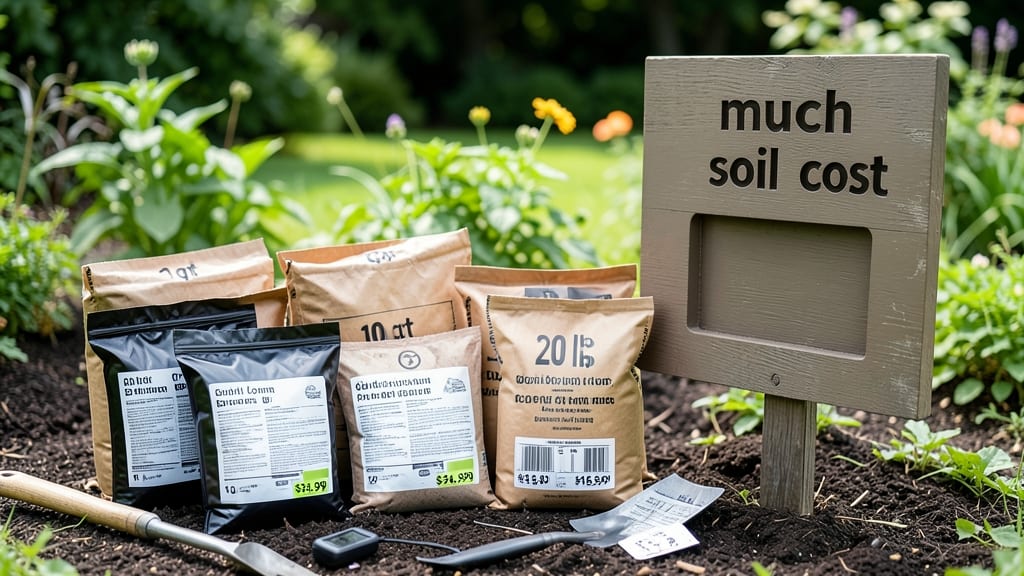
Soil costs vary widely by type, ranging from $1 to $10 per 40-pound bag for standard potting mix, $5 to $20 for premium garden soil, and $15 to $50 for specialty blends like cactus or compost-rich varieties. Bulk delivery prices drop significantly per cubic yard, often between $30 and $150.
Understanding how much soil costs helps you budget for gardening projects without overspending. 💰 The price differences come down to ingredients—standard mixes use basic materials, while premium soils incorporate compost, worm castings, or organic matter that boost plant growth.
For example, a 40-pound bag of potting soil might cost $5, but the same weight in a high-end vegetable mix could jump to $15.
Bulk purchases make the most sense for large projects like raised beds or lawn restoration, where you can save hundreds by buying a cubic yard instead of individual bags.
Another key factor is where you shop: local nurseries often charge more for convenience, while big-box stores or online retailers offer better bulk rates. If you're working with delicate plants like orchids or cacti, specialty soils are worth the investment—they're formulated to mimic natural growing conditions.
For most gardeners, though, a mid-range mix strikes the perfect balance between cost and performance.
💡 In This Article
- Factors Influencing Soil Pricing by Type and Quality
- Cost-Saving Tips for Buying Soil in Bulk or DIY Blends
Factors influencing soil pricing by type and quality
The price of soil isn't random—it's directly tied to what's inside the bag. Standard potting mixes use basic ingredients like peat moss, perlite, and vermiculite, which keep costs low at $1-$10 per 40-pound bag.
These materials provide structure but lack nutrients, making them ideal for seed starting or decorative plants. 🌱 The real cost jump happens when you add organic matter: compost, coconut coir, or worm castings can double or triple the price because they require processing and often come from sustainable sources.
Premium garden soils cost $5-$20 per bag because they include nutrient-rich components like aged compost or biochar. For example, a bag labeled "vegetable garden mix" might contain 30-50% compost, which improves moisture retention and microbial activity—critical for root development.
Specialty soils like cactus or orchid mixes go even higher ($15-$50) because they're formulated with precise textures and pH levels to mimic native growing conditions. The science here is simple: more specialized ingredients mean higher costs.
Regional availability plays a huge role too. In areas with abundant natural resources, like the Pacific Northwest with its peat bogs, standard potting soil stays affordable. But in drought-prone regions, water-retentive soils with hydro-gels can cost 2-3x more because they require imported materials.
Brand reputation matters too—organic-certified soils often charge premium prices for transparency and testing. 💡 For instance, a 1-cubic-foot bag of Miracle-Gro potting mix might cost $3, while an organic alternative from FoxFarm could reach $7.
Let's break down the cost-per-cubic-foot for common soil types to put this in perspective:
- Standard potting mix: $0.25-$0.50 per cubic foot (ideal for short-term projects like seedling trays)
- Premium garden soil: $0.50-$1.25 per cubic foot (better for vegetables and perennials)
- Topsoil (bulk): $0.10-$0.30 per cubic foot (cheapest for large-scale projects but lacks nutrients)
- Specialty mixes (cactus, orchid): $1.50-$3.00 per cubic foot (formulated for specific plant needs)
What most people overlook is how soil quality affects long-term costs. Cheap mixes may save money upfront but require more fertilizers and amendments over time.
Investing in nutrient-dense soil can reduce your overall gardening expenses by 30-50% through better plant health and higher yields. 🌿 For example, a $20 bag of compost-rich soil might eliminate the need for $50 worth of synthetic fertilizers over a growing season.
One final factor is packaging and convenience. Smaller bags (2-5 pounds) cost more per cubic foot because of higher labor and shipping costs, while bulk deliveries (typically 1+ cubic yards) offer the best value.
For reference, a 1-cubic-yard delivery of premium soil might cost $80-$150, but that's only $0.30-$0.50 per cubic foot—a fraction of bagged prices. This makes bulk purchases ideal for landscaping or large garden beds.