
How To
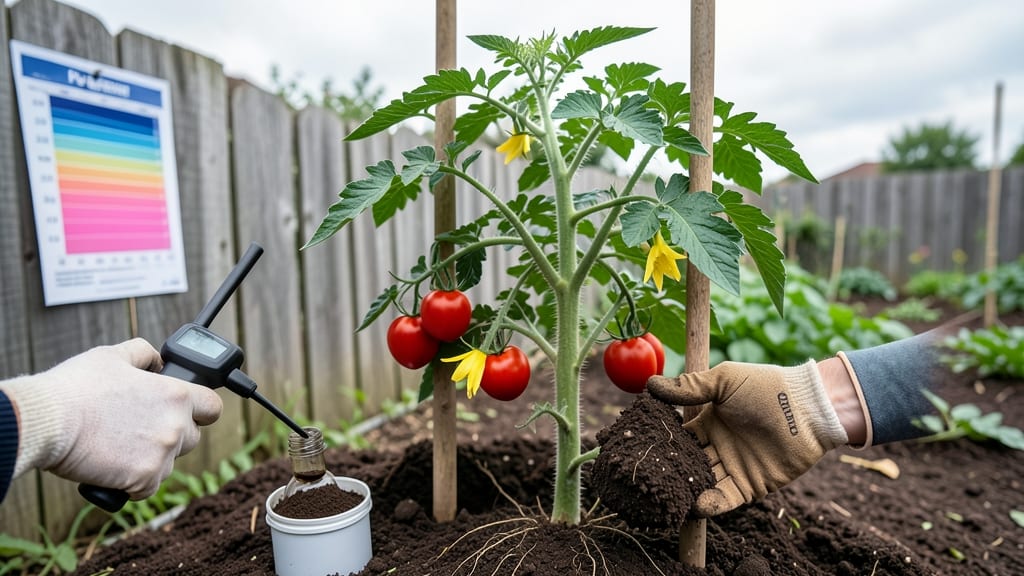
The ideal soil pH for tomatoes is between 6.0 and 6.8, creating the perfect environment for nutrient absorption, strong root systems, and disease resistance. Regular testing and adjustments with lime or sulfur keep your plants thriving.
Tomatoes thrive when their soil pH stays in this sweet spot because it directly impacts how well they absorb essential nutrients like phosphorus (critical for flowering) and calcium (preventing blossom end rot). 🌱 A pH outside this range can lock out nutrients or make them toxic, stunting growth or inviting pests.
I always test my soil before planting—it’s the best way to catch problems early and avoid wasted effort. For container gardens, you’ll need to monitor pH more frequently since amendments wash out faster with watering.
If your soil test shows a pH below 6.0, add crushed limestone or dolomitic lime to raise it gradually over a few weeks. For pH above 6.8, elemental sulfur or aluminum sulfate will lower it slowly. Remember: sudden changes shock roots, so spread amendments evenly and water them in thoroughly.
The goal isn’t perfection—it’s consistency. Even a slight drift outside the ideal range can stress your plants, so I recommend retesting every growing season.
💡 In This Article
- How Soil pH Affects Tomato Nutrient Absorption and Growth
- Step-by-Step Guide to Testing and Adjusting Soil pH for Tomatoes
How soil pH affects tomato nutrient absorption and growth
The pH scale measures how acidic or alkaline your soil is, and tomatoes prefer a slightly acidic to neutral range of 6.0 to 6.8. Here's what's actually happening at a microscopic level: Soil pH determines which nutrients are available for your tomato plants to absorb.
For example, phosphorus—critical for flowering and fruiting—becomes locked up in alkaline soils (pH above 7.0). At the same time, calcium (which prevents blossom end rot) becomes more soluble in slightly acidic conditions (pH 6.5).
This delicate balance is why tomatoes struggle when pH drifts too far in either direction.
Root health takes a direct hit when pH is off. In acidic soils (below 5.5), aluminum and manganese become toxic, damaging root tips and restricting water uptake. You'll notice stunted growth and yellowing leaves as the plant can't absorb enough nutrients.
On the alkaline side (above 7.5), iron deficiency becomes common—even though iron exists in the soil, the high pH makes it unavailable. This causes interveinal chlorosis (yellowing between leaf veins) that's often mistaken for overwatering.
The ideal pH range keeps these nutrients in perfect balance for robust root systems and disease resistance.
Disease resistance is another critical factor tied to pH. Fungal pathogens like early blight and verticillium wilt thrive in acidic soils because the lower pH weakens plant defenses. Meanwhile, bacterial infections often worsen in alkaline conditions where calcium uptake is compromised.
I've seen firsthand how container-grown tomatoes in pH-unbalanced soil develop blossom end rot within weeks—even with adequate calcium in the fertilizer. The key is maintaining that 6.0-6.8 window where the plant's natural defenses stay strong and nutrient uptake remains efficient.
Let's talk about what happens at the extremes. Below 5.0, your tomatoes will show signs of aluminum toxicity: dark brown root tips and stunted shoots. Above 8.0, you'll notice iron deficiency symptoms first—yellow leaves with green veins—followed by poor fruit set.
The plant essentially starves itself because it can't access essential micronutrients. This is why professional growers monitor pH constantly, especially in hydroponic systems where there's no soil buffer to stabilize pH naturally.
What most people don't realize is how quickly pH changes can occur. Rainwater, organic matter decomposition, and even fertilizer applications can shift your soil pH by 0.5-1.0 points in a single season. That's why I recommend testing every 3-4 months during the growing season, not just once at planting.
The goal isn't static perfection—it's maintaining that 6.0-6.8 range where your tomatoes can access all their nutritional needs without stress. Even small fluctuations outside this window can trigger nutrient deficiencies or disease susceptibility.
Consider this practical example: In my own garden, I once had two identical tomato plants side by side—one in soil tested at 5.8 and the other at 7.2.
While both received identical fertilizer, the plant in 7.2 soil developed severe iron chlorosis within three weeks, while the one in 5.8 showed early signs of aluminum toxicity. The lesson?
Soil pH isn't just about numbers—it's about creating the perfect chemical environment where your tomatoes can thrive from root to fruit. 🌱