
Diseases
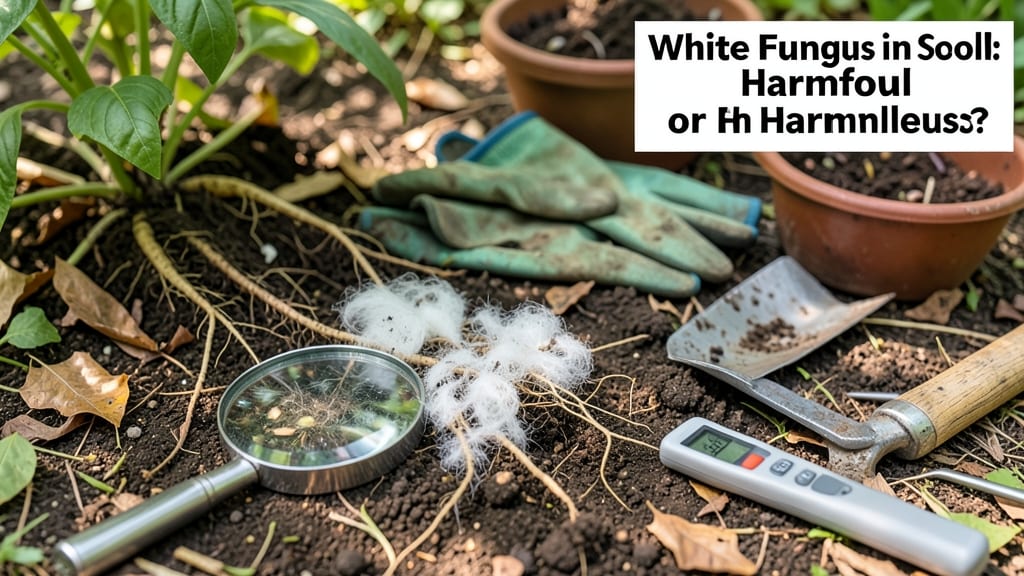
Is white fungus in soil bad? It’s not always a disaster—it’s often harmless, but knowing the difference saves your plants. 🌱 I’ve seen everything from fuzzy white mold to sneaky pathogens, and the key is spotting the red flags early before it spreads to your garden.
Most white growth is just saprophytic fungi breaking down organic matter, which actually improves soil. But if it’s fuzzy, fast-spreading, or paired with wilting plants, you’re dealing with something like Fusarium or Phytophthora—and those need action. The good news?
Simple fixes like improving airflow, adjusting moisture, and adding compost can turn a problematic patch into healthy soil. You’ll learn to tell harmless fluff from dangerous invaders, plus how to remove it safely without harming your plants.
No more guessing whether to pull it out or leave it be—just clear steps that work for containers, raised beds, and in-ground gardens alike. Let’s get your soil back to thriving, not just surviving. The fix is easier than you think—and your plants will thank you.
Root Causes Of White Fungus Growth
White fungal growth in soil isn’t just an eyesore—it’s often a sign that something’s off in your plants’ environment. Understanding the why behind it helps you take targeted action before it spreads or harms your garden. Here’s a breakdown of the most common triggers, explained in simple terms:
Fungi thrive in damp, oxygen-deprived conditions—like a soggy sponge. When soil stays too wet for too long, it:
- Starves roots of oxygen: Waterlogged soil forces roots to "breathe" through tiny air pockets, but excess moisture displaces oxygen, creating anaerobic zones where fungi like Rhizoctonia or Pythium flourish.
- Slows organic matter breakdown: Microbes that decompose dead plant material (like bacteria) need oxygen too. Without it, they produce methane instead of nutrients, leaving a fungal-friendly gloop.
- Encourages mold spores: White fungal threads (hyphae) spread faster in moisture because they can "swim" through water films on soil particles.
Actionable fix: Test your soil’s drainage by filling a jar with soil and water—if it drains in less than 2 hours, you’re likely overwatering. Amend with perlite, sand, or coconut coir to improve aeration.
Fungi spread like wildfire in stagnant air. Without airflow:
- Humidity spikes: Trapped moisture near the soil surface creates a microclimate where fungal spores germinate rapidly (think of a closed terrarium).
- Debris accumulates: Dead leaves, mulch, or plant clippings pile up, providing food and shelter for fungi like Botrytis (gray mold’s cousin).
- Temperature stays ideal: Fungi grow best between 60–85°F (15–30°C). Poor ventilation keeps soil in this "sweet spot" longer.
Actionable fix:
- 🌡️ Space plants 3–6 inches apart to improve airflow.
- 💨 Use a fan on low (24/7) near seedlings or houseplants.
- ✂️ Remove mulch from the base of stems to prevent fungal "highways."
Fungi are nature’s recyclers—but they’ll over-recycle if given too much food. Common culprits:
- Fresh mulch or compost: Raw materials like grass clippings or wood chips create a nitrogen-rich buffet for fungi. Until fully decomposed, they release sugars that fuel growth.
- Dead roots or plant matter: Buried stems or leaves act as "fungal highways," letting mycelium spread underground.
- Over-fertilized soil: Too much nitrogen (from synthetic or organic fertilizers) shifts the soil microbiome toward fungi over beneficial bacteria.
Actionable fix:
- 🔥 Use "hot" compost (140°F+) to kill fungal spores before adding to soil.
- 🍄 Rake away surface debris and replace with aged compost (6+ months old).
- 📉 Balance fertilizers: Aim for a 3-1-2 NPK ratio (nitrogen-phosphorus-potassium) to discourage fungal dominance.
Fungi are opportunistic—they don’t need much to thrive, but they love these conditions:
| Factor | Fungal Sweet Spot | Your Goal |
|---|---|---|
| Temperature | 60–85°F (15–30°C) | Keep soil below 75°F (24°C) with shade cloth or drip irrigation. |
| Humidity | 70%+ near soil | Maintain 40–60% with a hygrometer and dehumidifier if needed. |
| Nighttime Dew | Fungal spores love overnight moisture | Water early in the day so leaves dry by dusk. |
Actionable fix:
- 🌞 Mulch with straw (not wood chips) to regulate temperature swings.
- 💦 Water deeply but infrequently—aim for 1 inch per week (check with a rain gauge).
- 🌡️ Monitor with tools: A soil thermometer and hygrometer cost <$20 and save your plants.
Pro tip: 💡 If white fungus keeps reappearing, it’s often a combo of causes (e.g., overwatering + poor airflow). Fix the root issues first—spraying fungicides masks the problem without addressing why it’s there.
Quick Fixes for White Fungus Woes
If you’ve spotted white fungal growth creeping through your soil, don’t panic—there are practical ways to tackle it before it spreads. The key is identifying the root cause (literally!) and applying targeted solutions.
Below, we break down fixes based on the most common culprits, from overwatering to poor drainage, plus prevention tips to keep your soil healthy long-term.
If your soil is soggy and white fungus is thriving, excess moisture is likely the villain. Here’s how to dry it out safely:
- 🌱 Step 1: Pause Watering Immediately Let the soil dry out naturally for 2–3 days. Avoid watering until the top 1–2 inches feel dry to the touch.
- 💨 Step 2: Improve Airflow Move potted plants to a well-ventilated spot (e.g., near an open window or under a fan). For garden beds, space plants farther apart to reduce humidity.
- 🧼 Step 3: Disinfect the Soil (Optional) Mix 1 part hydrogen peroxide (3%) with 4 parts water and lightly spray the soil surface. This kills fungal spores without harming plants. Avoid over-saturating!
- 💡 Pro Tip: Use a moisture meter to monitor soil dampness. Aim for a balance—most plants prefer slightly dry soil over soggy conditions.
If water pools at the bottom of pots or in garden beds, fungus will feast on the stagnant moisture. Here’s how to drain it properly:
- 🛠️ Step 1: Check Drainage Holes For potted plants, ensure the container has drainage holes at the bottom. If not, drill them or repot into a container with holes.
- 🪨 Step 2: Add a Drainage Layer Line the bottom of pots with gravel, perlite, or broken pottery shards (1–2 inches deep) to create a barrier for excess water.
- 🌿 Step 3: Amend Heavy Soil If your garden soil is clay-like, mix in compost or sand to improve aeration. Aim for a loamy texture that drains well but retains moisture.
- ✨ Bonus Fix: Elevate pots on feet or saucers to prevent water from sitting against the container.
If white fungus keeps returning, spores may be hiding in old soil, pots, or tools. Sanitize everything to break the cycle:
- 🧹 Step 1: Remove Infected Soil Discard the top 1–2 inches of contaminated soil and replace it with sterilized potting mix (heat-treated or from a sealed bag).
- 🔪 Step 2: Sterilize Pots and Tools
- Pots: Wash with hot, soapy water, then rinse with a 1:10 bleach-water solution (let air-dry in sunlight).
- Tools: Soak pruners and trowels in rubbing alcohol (70% or higher) for 10 minutes, then wipe dry.
- 🌡️ Step 3: Bake Soil (For Severe Cases) Spread infected soil in a thin layer on a baking sheet and bake at 200°F (93°C) for 30 minutes to kill spores. Use outdoors or in a well-ventilated area!
- 🎯 Prevention Tip: Rotate crops yearly to prevent fungal buildup in the same spot.
Once you’ve treated the white fungus, keep it from coming back with these habits:
- 💧 Water Wisely:
- Water early in the day so foliage dries quickly.
- Use a soaker hose or drip irrigation to avoid wetting leaves (which fuels fungus).
- 🌿 Choose Resistant Plants: Some plants (like succulents or lavender) are less prone to fungal issues. Research varieties suited to your climate.
- 🍄 Monitor Humidity:
- Use a dehumidifier in greenhouses or basements.
- Avoid mulching too heavily around moisture-loving plants.
- 🌱 Boost Soil Health:
- Add compost or worm castings to strengthen plant immunity.
- Sprinkle crushed eggshells or cinnamon on soil surfaces as a natural antifungal barrier.
With these fixes, your soil should stay fungus-free and your plants thriving. Remember: consistency is key—prevention beats treatment every time! 🌱
Frequently asked questions
Is white fungus in soil always harmful to plants?
Not necessarily! Many white fungi are harmless saprophytes that break down organic matter, actually improving soil health. The key is identifying the type—if it’s fuzzy, fast-spreading, or paired with wilting plants, it could be a pathogen like Fusarium. Look for plant stress signs (yellowing, stunted growth) to determine if action is needed.
How can I tell if white fungus is mold or something worse?
Harmless mold is usually powdery and grows on the surface, while dangerous fungi often appear as cottony or web-like strands that spread underground. Check for plant symptoms: root rot, dark lesions, or sudden wilting mean it’s likely a pathogen. For confirmation, scrape a small sample onto a damp paper towel—if it turns black or smells foul, it’s a red flag.
Will hydrogen peroxide really kill white fungus in soil?
Yes, but use it carefully! A 3% solution mixed 1:4 with water is safe for spot-treating soil surfaces. Spray lightly (don’t soak) and repeat every 3-5 days until the fungus disappears. For severe cases, mix 1 tablespoon of baking soda per gallon of water as a natural alternative—both disrupt fungal cell walls without harming plants.
Can I still use the soil if white fungus is present?
It depends! If it’s harmless mold, the soil is still usable—just improve drainage and airflow. For pathogenic fungi, remove the top 1-2 inches of infected soil and replace with sterilized mix. If repotting isn’t an option, solarize the bed by covering with clear plastic for 4-6 weeks to bake out spores naturally.
Why does white fungus keep coming back after treatment?
Persistent fungus usually means underlying conditions (like poor drainage or high humidity) aren’t fixed. Check for these common causes: overwatering, compacted soil, or lack of airflow. Adjust your watering schedule, add perlite to improve drainage, and space plants farther apart. A soil test ($20 at garden centers) can reveal nutrient imbalances fueling fungal growth.