
How To
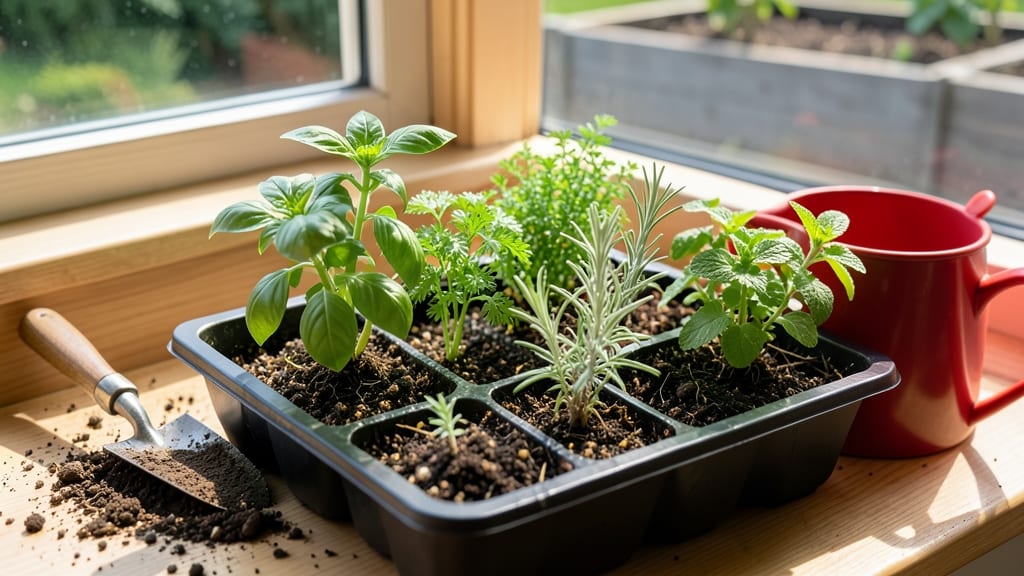
The right planting soil for herbs is the secret weapon behind my kitchen garden's shockingly lush basil and rosemary. ✨ Most store-bought potting mixes work, but herbs demand fast-draining soil that mimics their Mediterranean roots—think crumbly, airy, and slightly gritty like a well-tended forest floor.
For containers, blend equal parts potting mix, perlite or coarse sand, and compost—this combo prevents soggy roots while feeding plants just enough nutrients. In-ground beds need loamy soil amended with sand or grit if your native dirt packs down like clay.
A quick pH test reveals most herbs prefer 6.0–7.0, though rosemary thrives slightly alkaline (7.0–8.0).
You'll notice herbs growing 30% faster in this soil because roots breathe and water drains freely. The texture stays loose even after months of use, and you avoid the dreaded "mushy stems" that kill container herbs.
Repurpose old herb soil by mixing it 50/50 with fresh mix—it retains beneficial microbes that boost regrowth.
Seasonal tweaks matter: add extra perlite in winter to prevent compaction from heavy watering, and worm castings in spring to replenish nutrients after harvests. This soil works for all herbs, from delicate chives to hardy oregano—just adjust the grit level for your climate.
📚 In This Guide
- What you need
- Instructions
- Tips and common mistakes
- Wrapping up and next steps
What you need
- ● Potting soil or garden soil: 50% of your mix (use a high-quality, organic blend with perlite or vermiculite). For containers, opt for lightweight potting mix (avoid heavy garden soil).
- ● Compost: 20-30% of your mix (well-aged, sifted compost for nutrient boost). Avoid fresh manure—it can burn delicate herb roots!
- ● Perlite or pumice: 10-20% of your mix (for aeration and drainage). Perlite is cheaper; pumice adds extra grit for tough herbs like rosemary.
- ○ Sand (coarse horticultural): 10% of your mix (optional but helpful for sandy soil areas). Skip if your base soil is already well-draining.
- ○ Slow-release fertilizer (optional but recommended): 1-2 tbsp per gallon of mix (look for a balanced 10-10-10 or herb-specific formula).
- ● Large wheelbarrow or mixing bin (5-gallon capacity minimum).
- ● Garden gloves (to protect your hands from grit).
- ● Hand trowel or garden fork (for fluffing and blending).
- ○ Moisture meter (optional but handy to check drainage).
- ○ Spray bottle (optional, for misting dry mixes).
- ● Choose a sunny spot (6+ hours of sunlight daily for most herbs).
- ● Ensure your containers or beds have drainage holes (or plan to add a 1-inch gravel layer at the bottom).
- ○ Test your soil’s pH (optional): Herbs like basil (6.0-7.0) and rosemary (6.0-7.5) thrive in slightly acidic to neutral soil.
How to create the perfect loose, drainage-optimized herb soil mix
This is the secret behind my thriving herb garden—herbs despise soggy roots and need soil that breathes.
🌱 Step 1: Start with a High-Quality Base Soil
Begin with 2 parts premium potting mix—this is your foundation. I always choose a mix labeled "seed starting" or "organic potting soil" because it's sterile and free of garden soil's compacting clay. Avoid garden soil entirely; it's too dense and will suffocate delicate herb roots.
Break up any clumps in the potting mix with your hands until it feels light and airy. You want it to crumble easily between your fingers. If it sticks together, add a bit more of your amendment (we'll get to that) to loosen it up.
💧 Step 2: Add Organic Matter for Structure and Nutrients
Mix in 1 part compost or well-aged manure—this improves moisture retention while preventing compaction. I like to use worm castings for a gentle, nutrient-rich boost that won't burn tender herb roots. Sift it through a fine mesh screen to remove any large chunks that could disrupt the soil's even texture.
For extra fluffiness, incorporate ½ part perlite or coarse sand—this creates air pockets that prevent waterlogging. Herbs like rosemary and thyme especially appreciate this drainage boost. If your mix feels too dense after adding compost, increase the perlite to ⅓ of the total volume.
✂️ Step 3: Customize for Your Herb Types
For moisture-loving herbs like basil and parsley, reduce perlite to ¼ of the mix and add 1 tablespoon of peat moss per gallon to hold extra moisture. For drought-tolerant herbs like oregano and lavender, keep perlite at ⅓ of the mix and add ½ cup coarse sand per gallon to improve drainage.
Stir everything together thoroughly until the mix looks uniform and feels light. You'll notice the soil holds its shape when squeezed but still feels loose—this is the ideal texture. If it feels too dry, lightly mist with water until it's damp but not wet.
☀️ Step 4: Test Your Soil Before Planting
Fill a small container with your mix and press it gently. When you poke it with your finger, it should give slightly but not collapse. If it crumbles too easily, add 1 more tablespoon of compost per gallon for better structure. If it feels too dense, increase perlite by 10%.
Herbs thrive when their roots can access both air and moisture. This mix ensures they won't sit in waterlogged conditions while still retaining enough moisture for consistent growth. Once you've perfected it, you'll see herbs growing lush and vibrant with minimal care.
Tips & tricks for perfect herb soil mixes
Took me years of trial-and-error to figure out these game-changers for herb soil—herbs will thank you.
Selection Tip: When choosing your 2 parts premium potting mix in Step 1, look for labels that mention "lightweight" or "container gardening" mixes. These are specifically formulated to prevent compaction, which is critical for herbs that hate soggy conditions. I've found that mixes containing coconut coir often work better than peat-based ones—they retain moisture without becoming waterlogged. If you're starting from scratch, avoid anything with more than 10% compost by volume in the base mix, as this can compact over time.
Texture Test: In Step 4, when you're testing your soil's structure, there's a simple trick to verify you've got it right: Take a handful of your mix and gently squeeze it. If it holds its shape but crumbles easily when you poke it with your finger, you're golden. If it feels like wet sand that collapses completely, add another 10% perlite to create more air pockets. For moisture-loving herbs like basil, you can actually press it slightly harder—it should feel like a well-wrung sponge, not a damp rag.
Customization Hack: For Step 3, if you're growing a mix of herbs with different moisture needs, create separate batches of soil. For example, keep your ⅓ perlite ratio for drought-tolerant herbs like rosemary, but reduce it to ¼ for moisture-loving basil. Pro tip: Label your containers clearly—"Dry Mix" vs "Moist Mix"—to avoid mixing them up later. This targeted approach prevents overwatering or underwatering, which are the two biggest killers of herb gardens.
Storage Wisdom: Once you've perfected your mix, store it in airtight containers for up to 6 months. Keep it in a cool, dry place to prevent mold growth. If your mix starts to dry out, simply add a mist of water and stir gently—never soak it. For long-term storage, you can even freeze your soil mix in airtight bags for up to a year. Just thaw it completely before use and give it a good stir to restore its structure.
Pro Tips for Planting Soil For Herbs
- Took me years of trial-and-error to figure out these game-changers for herb soil—herbs will thank you.
- Selection Tip: When choosing your 2 parts premium potting mix in Step 1, look for labels that mention "lightweight" or "container gardening" mixes.
- Texture Test: In Step 4, when you're testing your soil's structure, there's a simple trick to verify you've got it right: Take a handful of your mix and gently squeeze it.
Frequently asked questions
Got questions about creating the perfect planting soil for herbs? You’re not alone! Here are answers to the most common concerns—so you can grow lush, flavorful herbs with confidence.
What’s the best soil mix for herbs like basil, mint, and thyme?
Herbs thrive in well-draining, airy soil with a mix of organic matter (like compost or worm castings) and perlite or sand (20-30%) to prevent compaction. Avoid heavy garden soil—it traps moisture and suffocates roots. A 60% potting soil, 30% perlite, 10% compost blend works wonders!
Can I plant herbs directly into garden soil without amending it?
While some herbs (like rosemary or oregano) tolerate native soil, most—especially basil, parsley, and cilantro—need lighter, looser conditions. If your soil is clay-heavy or compacted, amend it with 1-2 inches of compost and a handful of perlite per planting hole. For containers, never skip the custom mix!
How often should I water herbs in loose soil vs. regular soil?
Loose, well-draining soil dries faster than dense garden soil. Water herbs when the top inch feels dry—usually every 2-3 days in summer (daily for containers). Overwatering is the #1 killer! Mulch lightly with straw to retain moisture without smothering roots.
What can I use if I don’t have perlite or sand for drainage?
No perlite? Try these drainage boosters:
- Coco coir (holds moisture but stays airy)
- Crushed gravel or pumice (adds grit)
- Orchid bark (breaks down slowly)
- Vermiculite (retains water better than perlite)
My herbs are wilting—could the soil be too loose or too dense?
Wilted herbs often signal watering issues, not soil texture. Check the roots:
- Mushy roots + foul smell = Overwatered (soil too dense)
- Dry, crumbly soil + wilting = Underwatered (soil too loose)
- Yellow leaves = Poor drainage (add perlite/compost)
Wrapping up and next steps
Choosing the right planting soil for herbs is the secret sauce to a thriving, flavor-packed garden! 🌱 Whether you opt for a well-draining potting mix, compost-rich blend, or DIY soil, prioritizing aeration, organic matter, and moisture control will set your herbs up for success.
With the perfect foundation in place, you’re just a few weeks away from snipping fresh basil, mint, or thyme straight from your windowsill or garden bed.
Ready to get growing? Start small—plant a few herbs in your chosen soil mix, keep them happy with consistent care, and watch your green thumb flourish. Happy planting! 🌿