
Vegetables
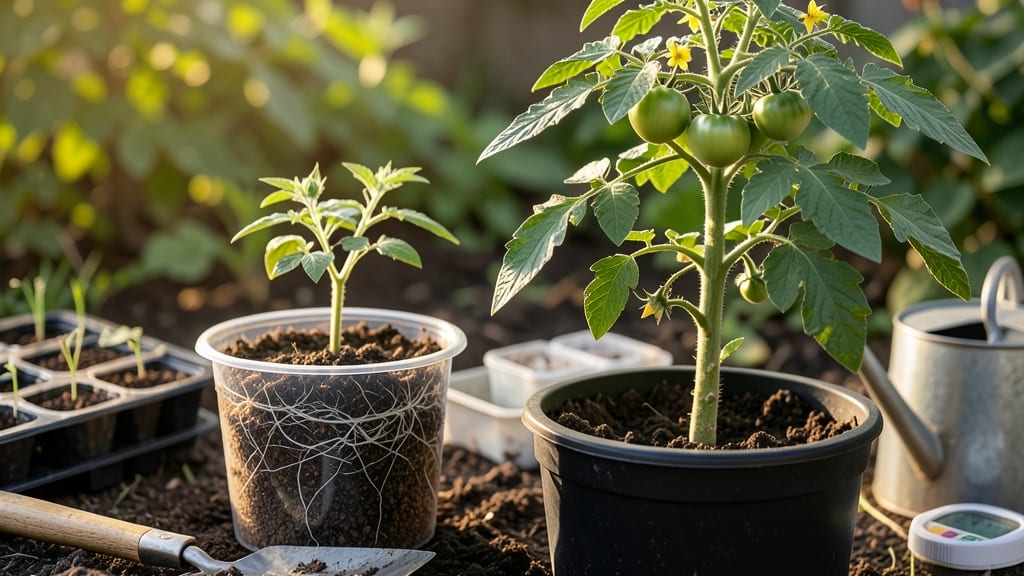
Potting mix and potting soil aren't the same—and choosing the wrong one can stunt your vegetable roots before they even start. 🌱 I've seen firsthand how the right growing medium turns a struggling tomato plant into a vine loaded with fruit, while the wrong one leaves seedlings wilting despite perfect watering.
The confusion comes from marketing: "potting soil" often means generic garden soil with peat or compost added, which compacts easily and drains poorly—disaster for vegetables. Potting mix, on the other hand, is designed to stay loose, drain fast, and hold just enough moisture without suffocating roots.
Think of it as the difference between sand and clay for your plants' feet. For root crops like carrots or radishes, you need light, fluffy potting mix that lets them spread without resistance. Leafy greens tolerate slightly denser mixes, but even they thrive better in mix than soil.
Herbs? They're somewhere in between—most do well in mix, but a few like rosemary prefer the slightly heavier soil texture. Here's the game-changer: most vegetables need potting mix, not soil.
The only exception is when you're amending regular garden soil for in-ground planting—but even then, mix is better for containers. Let's break down why your veggies deserve the lighter option.
The first product explained
🌱🥬 Meet Miracle-Gro Indoor Potting Mix—your secret weapon for thriving container-grown veggies! This premium blend is designed specifically for edibles, ensuring your tomatoes, peppers, and herbs get the nutrient-packed foundation they crave. Whether you're a balcony gardener or a seasoned urban farmer, this mix is tailored to deliver fast, healthy root development and bigger harvests—no green thumb required!
📏 Key Specs & Features
Here’s what makes this mix stand out:
- Perfectly Balanced Formula: Enriched with slow-release fertilizer (12-12-18 NPK ratio) to feed plants for up to 6 months—ideal for veggies with long growing seasons like zucchini or eggplant.
- Lightweight & Aerated: Made with coco coir, peat moss, and perlite for optimal drainage and oxygen flow, preventing root rot while keeping moisture just right.
- pH-Balanced: Slightly acidic (5.5–6.5) to support micronutrient uptake, critical for leafy greens and fruiting plants.
- Pesticide-Free & OMRI Listed: Safe for organic gardening and certified for organic use—no harsh chemicals to worry about!
- Bag Size: Available in 1.5 cu. ft. (18-quart) and 8 cu. ft. (96-quart) options, perfect for small pots or large raised beds.
🎯 Who’s It For?
This mix is a game-changer for:
- 🏡 Beginner Gardeners: No guesswork—just add plants, water, and watch them grow!
- 🏙️ Urban & Balcony Farmers: Compact yet nutrient-dense, ideal for herbs, cherry tomatoes, and peppers in limited space.
- 🌿 Organic Enthusiasts: Chemical-free and packed with natural amendments for healthier, tastier produce.
- 🔄 Container & Hydroponic Users: Works in fabric pots, self-watering planters, and even hydroponic setups (with adjustments).
💰 Price Point & Value
Priced competitively at $6.97–$19.97 (depending on bag size), this mix offers exceptional value for its quality.
Compare that to generic potting soils (often $4–$8 but lacking veggie-specific nutrients), and you’ll see why gardeners swear by it. Pro Tip: 💡 The 8 cu. ft. bag is a steal for large-scale growing—split it between multiple containers to save!
Ready to grow like a pro? Grab a bag and let your veggies thrive! 🌱✨
The second product explained
Meet Miracle-Gro Performance Organics All Purpose Garden Soil—your go-to companion for lush, thriving veggies with a sustainable twist! 🌱💚 This premium blend is designed to bridge the gap between potting mixes and traditional garden soil, offering a nutrient-rich, organic solution that’s perfect for container gardening, raised beds, and even in-ground planting. Whether you’re a seasoned gardener or just starting your green thumb journey, this product is engineered to simplify your growing process while delivering exceptional results.
📏 Key Specs & Features
This 12-quart bag (or 80-quart bulk option) is packed with organic matter, including composted plant materials, earthworm castings, and a balanced blend of slow-release nutrients. Here’s what sets it apart:
- Organic & OMRI Listed: Free from synthetic fertilizers, making it ideal for organic gardening enthusiasts.
- Moisture-Retentive Formula: Holds water efficiently to prevent wilting while ensuring proper drainage.
- pH-Balanced: Optimized for nutrient uptake (ideal pH range of 6.0–7.0 for most vegetables).
- Versatile Use: Suitable for tomatoes, peppers, herbs, leafy greens, and root vegetables.
- Lightweight & Easy to Handle: No heavy lifting—perfect for small spaces or balcony gardens.
🎯 Who’s It For?
This product is a game-changer for:
- 🌿 Small-space gardeners: Urban dwellers, apartment balconies, or patio planters.
- 🍅 Vegetable lovers: Ideal for growing nutrient-dense crops like kale, carrots, or cherry tomatoes.
- 🌍 Eco-conscious growers: Those prioritizing organic, sustainable gardening practices.
- 👩🌾 Beginners & pros alike: Simple to use with no guesswork—just add plants and water!
💰 Price Point & Value
Priced around $12–$15 for the 12-quart bag (or ~$30 for the 80-quart bulk), this soil offers serious bang for your buck. While it’s slightly more expensive than basic potting mixes, the organic nutrients and long-term plant health benefits make it a worthy investment.
Plus, one bag can fill multiple containers or supplement larger garden beds—reducing waste and saving you money in the long run.
💡 Pro Tip: For even better results, mix this soil with compost or perlite to improve aeration for root vegetables like radishes or potatoes!
Head-to-head comparison
Now that you understand the basics of potting mix and potting soil, let’s dive into a side-by-side comparison to help you decide which is the best fit for your vegetable garden.
Whether you're growing tomatoes in containers or herbs on your windowsill, the right choice can make all the difference in your harvest! 🥕🌱
🌱 Performance: Which Promotes Better Vegetable Growth?
When it comes to growing vegetables, performance is all about how well the medium supports root development, nutrient absorption, and overall plant health. Here’s how the two stack up:
- Potting Mix: 🏆 Winner for most vegetables! Designed specifically for container gardening, potting mix is lightweight, well-aerated, and packed with organic matter like peat moss, coconut coir, or compost. This makes it ideal for vegetables that need quick drainage and root expansion, such as lettuce, herbs, peppers, and tomatoes. The mix also retains moisture without becoming waterlogged, reducing the risk of root rot—a common issue in dense soils.
- Potting Soil: Better suited for heavier feeders like squash, cucumbers, or corn, which thrive in denser, nutrient-rich environments. However, it can compact over time, limiting root growth in containers. If not amended with perlite or vermiculite, it may also retain too much moisture, suffocating roots.
Pro Tip: 💡 For best results with potting soil, mix in 20-30% perlite or compost to improve aeration and drainage. This can turn it into a hybrid that mimics the benefits of potting mix!
💰 Price: What’s Your Budget?
Your wallet will thank you for knowing the cost differences upfront. Here’s the breakdown:
| Factor | Potting Mix | Potting Soil |
|---|---|---|
| Cost per Bag (1-2 cubic feet) | $3–$6 | $2–$5 |
| Long-Term Value | Higher upfront, but less frequent replacement needed due to lightweight, sterile composition. | Cheaper initially, but may require more frequent amendments (compost, fertilizer) to maintain quality. |
| DIY Options | Expensive to DIY (requires high-quality peat/coir + perlite). | 💰 Budget-friendly DIY: Mix garden soil with compost and perlite for a custom blend! |
Pro Tip: 🔥 Buy potting mix in bulk if you’re a serial container gardener—it saves money and reduces waste. For potting soil, consider local garden centers or compost piles for free/cheap amendments!
🏗️ Features: Composition and Key Differences
Under the hood, these two growing mediums have very different compositions. Here’s what sets them apart:
- Potting Mix:
- 🌿 Lightweight: Made with peat moss, coconut coir, or compost + perlite/vermiculite for aeration.
- ⚡ Sterile: Free of weeds, pathogens, and pests (great for seed starting!).
- 💧 Moisture Control: Drains well but retains enough water for root zones.
- 🌱 Nutrient-Poor: Often requires fertilizer or compost additions.
- Potting Soil:
- 🪨 Denser: Contains garden soil, compost, and sometimes sand for structure.
- 🌱 Nutrient-Rich: Often includes manure or organic matter, reducing the need for extra fertilizer.
- 💧 Moisture Retention: Can hold water longer but risks compaction if not amended.
- ⚠️ Not Sterile: May contain weed seeds or pests from outdoor soil.
Pro Tip: 🌡️ If you’re using potting soil for vegetables, test it first—if it’s too dense, mix in 1 part perlite to 3 parts soil to improve airflow!
🕒 Durability: How Long Does It Last?
Both mediums degrade over time, but their lifespans depend on how you use them:
- Potting Mix:
- ⏳ Lasts 1–2 growing seasons in containers before breaking down.
- 🔄 Easy to Refresh: Top-dress with compost or worm castings to renew nutrients.
- 🌱 Best for Short-Term Crops: Ideal for fast growers like lettuce or radishes.
- Potting Soil:
- ⏳ Lasts longer (2–3 seasons) if amended regularly.
- 💀 Compacts Over Time: Roots struggle in dense soil, leading to poor growth.
- 🌿 Great for Perennials or Heavy Feeders: Works well for tomatoes, peppers, or squash if kept loose.
Pro Tip: ✨ Extend the life of either medium by replacing the top 2–3 inches annually with fresh compost or potting mix!
🌡️ Temperature and Climate Adaptability
Your local climate plays a role in which medium performs better:
- Potting Mix:
- ❄️ Cooler Climates: Retains warmth better in spring/fall due to organic matter.
- ☀️ Hot Climates: Drains quickly, preventing overheating of roots.
- ⚠️ Risk of Drying Out: May need daily watering in arid conditions.
- Potting Soil:
- ☀️ Warmer Climates: Holds moisture longer, reducing watering frequency.
- ❄️ Cold Climates: Can stay too wet, risking root rot in winter.
- 🌡️ Best for Moderate Zones: Works well in USDA Zones 5–9 with proper amendments.
- Potting soil is cheaper and works well if you’re willing to supplement it with compost or fertilizer.
- Potting mix is pricier but designed for optimal growth—ideal if you want minimal effort, maximum yield.
Which one should you choose?
So, which one should you choose—potting mix or potting soil—for your vegetable garden? The answer depends on your goals, space, and the type of veggies you’re growing. Let’s break it down to help you make the best decision for a thriving harvest! 🌱🍅
🌿 For Container Gardening & Small Spaces
If you’re growing in pots, hanging baskets, or limited space, potting mix is the clear winner. It’s lightweight, well-aerated, and packed with nutrients to support root growth in confined areas. Perfect for herbs, lettuce, tomatoes, and peppers—veggies that thrive in containers!
🏡 For In-Ground or Raised Beds
If you’re planting directly in the ground or a raised bed, potting soil can be a budget-friendly option—just mix it with compost or native soil to improve drainage.
However, for heavy feeders like broccoli, carrots, or squash, consider amending it with organic matter or using a high-quality potting mix for better results.
💰 Budget-Friendly vs. Premium Performance
🌱 Pro Tip for Best Results
For container gardens, always use potting mix—it’s formulated to prevent compaction and retain moisture without suffocating roots. For in-ground planting, blend potting soil with compost or coconut coir to mimic natural soil conditions.
Still unsure? Start with a small test batch—try potting mix for your most prized plants and see how they respond! 🌟