
How To
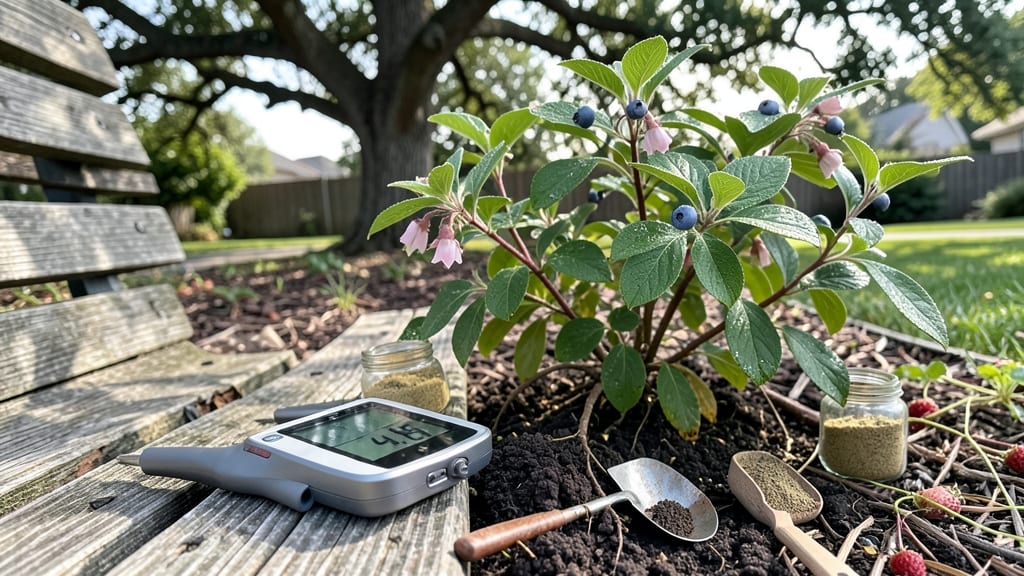
Getting proper soil pH right is essential for healthy plants: vegetables and herbs typically need a range of 6.0–7.0, while acid-loving plants like blueberries and azaleas thrive at 4.5–5.5, and alkaline-tolerant crops such as asparagus and lavender prefer 7.0–8.0. Regular testing and adjustments with lime or sulfur keep your garden thriving.
Soil pH directly impacts which nutrients your plants can access—think of it as the key to unlocking the vitamins in their "food."
For example, iron becomes nearly unusable in alkaline soil, while phosphorus binds tightly in overly acidic conditions. 🌱 Microbial activity also peaks at neutral pH (around 6.5–7.0), which means healthier soil ecosystems that support root growth.
Extreme pH levels (below 5.0 or above 8.0) can stress plants, stunt growth, or even kill them by disrupting cellular functions.
Most gardeners don’t realize how quickly soil pH can shift—rain, organic matter decomposition, or even water quality can alter it over time. That’s why I recommend testing your soil every spring before planting, using a simple DIY kit or sending a sample to a lab for precise results.
Organic amendments like wood ash (to raise pH) or coffee grounds (to lower it) work gradually, while synthetic lime or sulfur provide faster adjustments. Timing matters too: amend soil 2–3 months before planting to let changes stabilize.
💡 In This Article
- How Soil pH Affects Nutrient Availability for Plants
- Step-by-Step Guide to Testing and Adjusting Soil pH
How soil pH affects nutrient availability for plants
Soil pH determines which nutrients dissolve and become available to plant roots.
For instance, iron—critical for chlorophyll production—becomes nearly unusable in alkaline soil (pH above 7.0) because it forms insoluble compounds like iron hydroxide. 🌱 This is why plants in alkaline soil often show yellowing leaves (chlorosis) even when iron is present.
Conversely, phosphorus, essential for energy transfer and root growth, binds tightly in acidic soil (pH below 5.5), making it inaccessible to plants despite being abundant in the soil.
The ideal pH range for most vegetables (6.0–7.0) aligns with peak solubility for key nutrients like nitrogen, potassium, and calcium. For example, nitrogen—found in soil as nitrate (NO₃⁻)—is most available at pH 6.0–7.5, while calcium and magnesium dissolve best in slightly alkaline conditions.
Microbial activity, which breaks down organic matter into plant-accessible forms, also thrives in this neutral range. Extreme pH levels (below 5.0 or above 8.0) disrupt these processes, stressing plants by limiting nutrient uptake or even causing toxic buildup of elements like aluminum or manganese.
Consider blueberries, which require acidic soil (pH 4.5–5.5) to access aluminum and manganese—nutrients they need but most plants can’t tolerate in high amounts. In alkaline soil, these metals become toxic, burning roots and stunting growth.
Similarly, asparagus, which prefers pH 7.0–8.0, struggles in acidic soil where calcium and magnesium become locked up, leading to weak stems and poor yield. The pH also affects soil structure: acidic soils often compact more easily, while alkaline soils may develop hardpan layers that restrict root penetration.
Plants also exhibit visible symptoms when their pH needs aren’t met.
Leaf yellowing (chlorosis) in alkaline soil signals iron or manganese deficiency, while stunted growth or purple stems in acidic soil often indicate phosphorus or calcium shortages. 🌿 These symptoms aren’t just cosmetic—they reflect the plant’s inability to absorb essential nutrients due to pH-induced chemical reactions in the soil.
For example, at pH 8.0, only about 1% of soil iron is available to plants, compared to nearly 100% at pH 6.0.
Even small pH shifts can dramatically alter nutrient dynamics. For instance, lowering soil pH from 7.0 to 6.0 can triple the availability of phosphorus, while raising it from 6.0 to 7.0 increases calcium solubility by 50%.
This is why precise pH management is critical—it’s not just about hitting a target number, but optimizing the chemical environment for the specific nutrients each plant requires.
For example, tomatoes need slightly acidic soil (pH 6.0–6.8) for optimal calcium uptake to prevent blossom-end rot, while spinach thrives in neutral to slightly alkaline soil (pH 6.5–7.5) where its preferred nutrients like boron and molybdenum are most soluble.
Soil microbes play a hidden but vital role in this process. Beneficial bacteria and fungi, which help decompose organic matter and fix nitrogen, are most active at pH 6.5–7.0. In acidic soil, these microbes decline, reducing nutrient cycling and weakening plant immunity.
Conversely, alkaline soils may harbor fewer beneficial microbes but can accumulate harmful pathogens due to altered microbial balance. This microbial imbalance is why plants in poorly managed pH often show stunted growth or increased susceptibility to diseases—even when fertilized adequately.