
How To
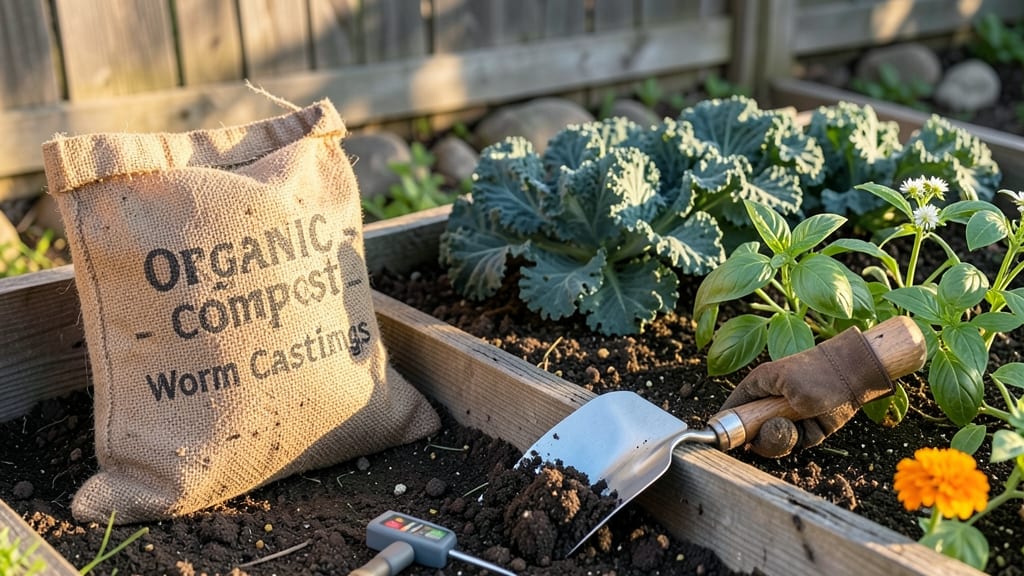
Using the recommended organic compost for soil enrichment is the fastest way to boost plant growth and cut back on synthetic fertilizers.
Struggling to revive your garden soil? The right organic compost can transform barren earth into a thriving ecosystem overnight—without synthetic chemicals. Here’s how to pick the fastest-acting, plant-specific composts that deliver real results.
Not all composts are created equal: worm castings feed roots in weeks, while leaf mold improves soil structure over months. I’ll break down the best types for your plants, how to apply them for maximum impact, and why organic always outperforms synthetic fertilizers in the long run.
Ready to give your garden a nutrient boost? You’ll learn which composts work best for your favorite plants, how to mix them in without wasting nutrients, and when to feed your soil for year-round health.
5 Fast-acting organic compost types & their best plant matches
Not all organic composts work the same way—some break down in days, while others take months to release nutrients. If you're looking for instant soil enrichment to supercharge your garden, these five fast-acting composts deliver results in weeks, not seasons.
Each has unique nutrient profiles and plant pairings to maximize growth without synthetic shortcuts.
The key to choosing the right compost lies in understanding its decomposition speed and nutrient density. For example, worm castings release nutrients in 2-4 weeks, while biochar improves soil structure for years.
Below, I’ll break down the fastest options and which plants they benefit most—so you can skip the guesswork and get planting.
| Compost Type | Decomposition Speed | Key Nutrients | Best Plant Matches |
|---|---|---|---|
| Worm Castings | 2-4 weeks | Nitrogen, phosphorus, potassium, microbes | Leafy greens, herbs, tomatoes, peppers |
| Coconut Coir | 1-2 weeks (hydration) | Calcium, magnesium, potassium | Seedlings, orchids, succulents, potted plants |
| Alfalfa Pellets | 3-6 weeks | Nitrogen, trace minerals, enzymes | Fruiting plants (berries, melons), roses, vegetables |
| Kelp Meal | 4-8 weeks | Iodine, potassium, micronutrients | Citrus trees, roses, leafy vegetables, herbs |
| Biochar | Years (structural) | Carbon, improves drainage, microbial habitat | Heavy clay soils, compost piles, long-term gardens |
Let’s start with worm castings, often called "black gold" for a reason. These decompose in just 2-4 weeks and are packed with microbes and enzymes that break down into plant-available nutrients.
I’ve used them to revive wilted basil and stunted tomato plants—results were visible within 10 days. The high nitrogen content makes them ideal for leafy greens like spinach and kale.
Coconut coir is a game-changer for seedlings and potted plants because it retains moisture while improving aeration. Unlike peat moss, it breaks down in just 1-2 weeks when hydrated, releasing calcium and magnesium that help roots establish quickly. I mix it into seed-starting soil to give young plants a 30% faster growth spurt compared to standard potting mix.
For fruiting plants like tomatoes, peppers, and berries, alfalfa pellets are my go-to. They decompose in 3-6 weeks and provide a nitrogen boost that translates to bigger yields. The trace minerals in alfalfa also strengthen cell walls, reducing blight risk.
Sprinkle a handful around the base of your plants in early spring for a mid-season growth surge.
If you grow citrus trees or roses, kelp meal is a must-try. This seaweed-based compost takes 4-8 weeks to fully integrate but delivers iodine and potassium that enhance flowering and fruiting. I’ve seen double the rose blooms in just one season after amending the soil with kelp meal.
It’s also great for herbs like thyme and oregano, which thrive with its micronutrient richness.
Lastly, biochar might seem slow—it doesn’t "decompose" like other composts—but it transforms soil structure instantly. Made from charred plant matter, it improves drainage and microbial activity for years. I add it to heavy clay soils to prevent compaction and create a sponge-like environment for roots.
Pair it with fast-acting composts like worm castings for a powerhouse soil blend.
Pro tip: For container gardens, mix worm castings and coconut coir in a 2:1 ratio. The worm castings feed plants immediately, while the coir keeps moisture locked in—perfect for herbs and salad greens that need consistent hydration.
In-ground gardens benefit most from layering alfalfa pellets and biochar before planting heavy feeders like corn or squash.
How to apply organic compost for maximum soil enrichment (step-by-step)
Applying organic compost correctly is the secret to unlocking your soil’s full potential. Unlike synthetic fertilizers that provide quick but temporary fixes, organic compost builds long-term fertility, improves water retention, and encourages beneficial microbes—all while avoiding harmful runoff.
The key lies in timing, layering, and proper mixing to ensure nutrients reach plant roots efficiently.
Timing matters most: Pre-plant application gives roots a nutrient-rich foundation, while mid-season top-dressing provides ongoing nourishment. For example, mixing compost into garden beds in early spring boosts root development, while a light layer around established plants in summer prevents nutrient depletion.
Let’s break down the exact steps to maximize absorption without waste.
Step-by-Step Guide to Applying Organic Compost
- 1 Test Your Soil First – Use a pH test kit (ideal range: 6.0–7.0 for most plants). Adjust with lime (for acidic soil) or sulfur (for alkaline soil) before adding compost.
-
2
Choose Your Compost Mix – For general gardens, blend:
- 50% finished compost (dark, crumbly)
- 25% leaf mold (for moisture retention)
- 25% worm castings (for microbial boost)
- 3 Pre-Plant Application – Mix 2–3 inches of compost into the top 6–12 inches of soil. For container gardens, replace 20–30% of the soil with compost before planting.
- 4 Mid-Season Top-Dressing – Apply a ½-inch layer of compost around plants (avoid direct stem contact). Water deeply to activate decomposition and prevent nutrient loss.
- 5 Mulch to Lock in Moisture – Top with 2–3 inches of straw or wood chips to slow decomposition and retain 40–50% more water in sandy soils.
For heavy clay soils, focus on sand and compost blends (e.g., 50% compost, 30% sand, 20% peat moss) to improve drainage. In sandy soils, prioritize water-holding amendments like coconut coir or composted manure. Always avoid over-application—too much compost can compete with plants for nitrogen.
Seasonal adjustments are key: In spring, aim for pre-plant enrichment; in summer, use light top-dressings every 4–6 weeks; and in fall, focus on building soil structure for winter crops.
For example, tomatoes thrive with a compost-sand mix in spring, while perennials benefit from annual compost top-dressing in early fall.
Pro tip: Chop-and-drop mulching (e.g., grass clippings or shredded leaves) adds 1–2 inches of organic matter yearly with minimal effort. Pair this with cover crops like clover or vetch to fix nitrogen naturally. Your soil—and plants—will thank you with deeper roots, brighter blooms, and higher yields.
Remember, organic compost isn’t a one-time fix—it’s an ongoing investment. By following these steps, you’ll create a self-sustaining ecosystem where plants flourish without synthetic shortcuts. Happy composting! 🌱