
Advice
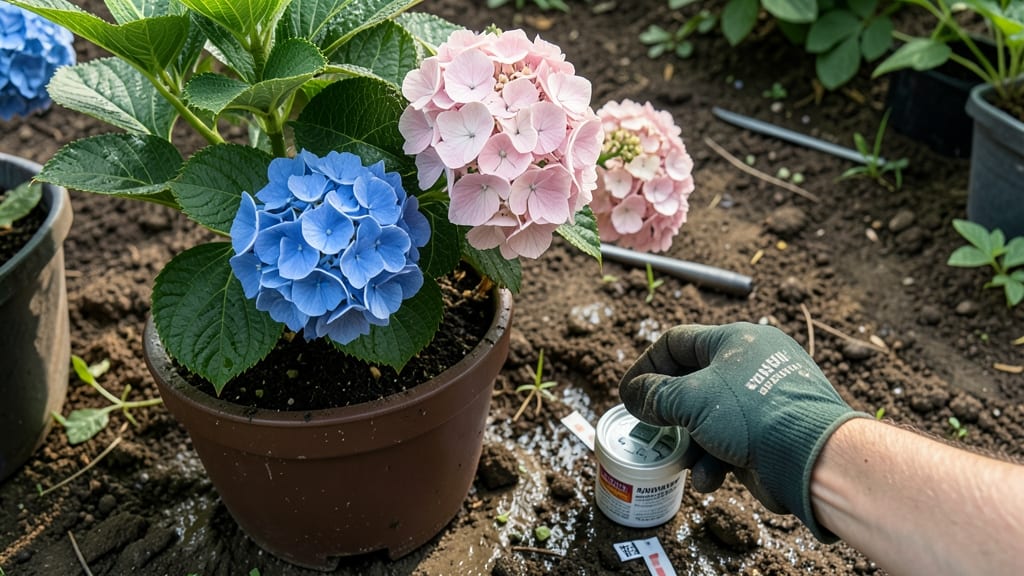
Soil acidity determines hydrangea color by altering aluminum availability: acidic soil (pH 5.0–5.5) produces blue blooms, while alkaline soil (pH 6.0+) yields pink flowers. Test pH levels and amend with sulfur or lime to shift hues naturally.
Hydrangeas are nature's pH-sensitive color chameleons, where soil chemistry directly controls their pigment production. 🌸 The key lies in aluminum compounds: acidic soil dissolves these compounds, triggering blue pigments called delphinidins, while alkaline conditions block aluminum uptake, allowing pink anthocyanins to dominate.
This isn't just about aesthetics—it's a chemical reaction you can control with simple soil amendments.
Most gardeners discover this magic when their hydrangeas mysteriously change color from year to year—what appeared blue one season might turn pink the next, depending on seasonal rainfall patterns or compost additions.
The science behind this works like a natural pH litmus test: your soil's acidity level becomes the master switch for flower color. What's fascinating is how precise this relationship is—just a 0.5 pH shift can dramatically alter bloom hues.
💡 In This Article
- How Soil pH Affects Hydrangea Pigment Production
- Natural Ways to Adjust Soil pH for Vibrant Hydrangea Colors
How soil pH affects hydrangea pigment production
Hydrangea color changes stem from a biochemical dance between two pigments: delphinidin (blue) and anthocyanin (red/pink). In acidic soil (pH <5.5), aluminum ions become soluble and bind with delphinidin, stabilizing its blue form.
This is why hydrangeas like Hydrangea macrophylla (the mophead variety) turn vibrant blue—the aluminum acts like a pigment activator, making the blue hue more intense. The optimal pH range for maximum blue production sits between 5.0 and 5.5, where aluminum solubility peaks.
The shift to pink occurs when soil becomes alkaline (pH >6.0). At these levels, aluminum precipitates out of solution, leaving anthocyanin pigments—naturally pink or red—to dominate. Interestingly, the same plant can produce both colors simultaneously if different flower buds experience varying soil conditions.
For example, a single hydrangea bush might display blue blooms on one branch and pink on another, depending on localized soil pH variations. This phenomenon happens because hydrangeas produce flower buds in late summer, and their color gets "locked in" based on the soil's acidity at that moment.
What makes this even more fascinating is the role of other minerals. Magnesium and calcium compete with aluminum for uptake, which can dilute the blue pigment effect. In alkaline soils, these minerals become more available, further suppressing aluminum absorption. The result?
A softer pink or lavender hue instead of the bold reds you might expect from pure anthocyanin expression. This is why some hydrangeas appear almost white in highly alkaline conditions—the pigments become diluted by the presence of these competing minerals.
Here's where it gets practical: the color shift isn't just about pH numbers—it's about aluminum availability in the soil solution. Even if your soil tests at 5.2, if the aluminum is bound to organic matter or clay particles, your hydrangeas might still produce muted colors.
This is why some gardeners see inconsistent results despite "correct" pH levels. The key is ensuring both proper pH and sufficient aluminum in a form the plant can access. For example, organic matter like peat moss can help hold aluminum in a plant-available form in acidic soils.
Consider this comparison: In a pH 5.0 soil, aluminum solubility is about 100% higher than in pH 6.0 soil. That's why a small pH adjustment can make a dramatic difference in bloom color.
The relationship follows a logarithmic scale—each 0.5 pH unit change roughly doubles or halves aluminum availability. This explains why some gardeners see dramatic color shifts with seemingly minor soil amendments.
What most people don't realize is that hydrangeas aren't the only plants affected by this mechanism. Azaleas and blueberries also rely on soil acidity for optimal growth, using similar aluminum-dependent pathways.
The difference is that hydrangeas make this color change visually dramatic, turning their pigment production into a garden art project. 🌸