
Fertilization
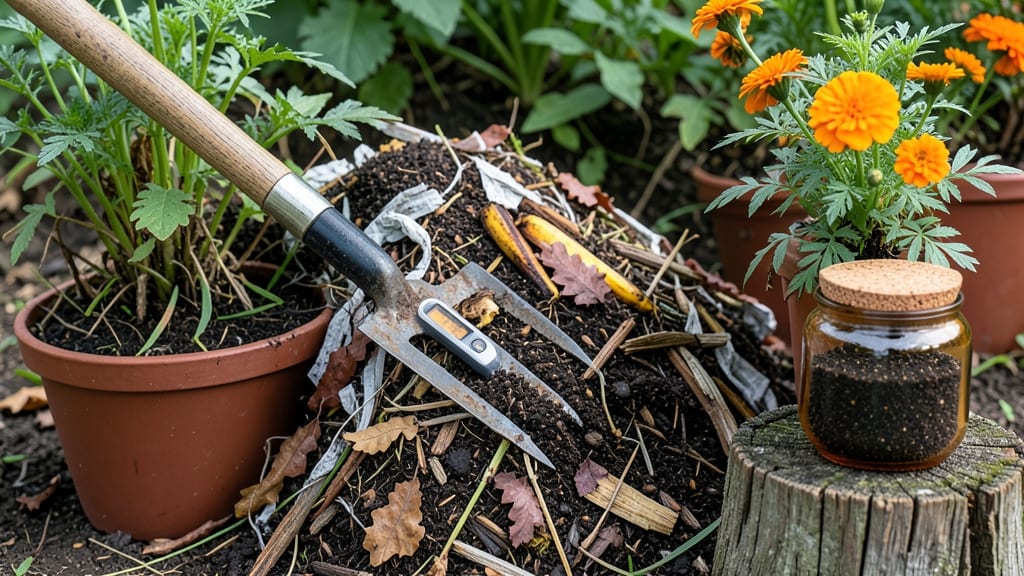
Great soil and compost are the secret weapon behind every thriving garden. 🌱 I’ve spent years turning rocky, nutrient-poor soil into a lush, fertile growing medium—and the difference in plant growth is nothing short of miraculous.
The right mix of organic matter, minerals, and microbial life transforms struggling plants into vigorous, productive powerhouses.
You don’t need fancy equipment or a degree in horticulture to get this right. Start with a simple soil test to check pH and nutrient levels—most garden centers sell affordable kits.
Then, build fertility by layering compost, aged manure, or worm castings into your beds. Even a small backyard can become a high-performance growing space with the right approach.
By the end of this guide, you’ll know exactly how to create a soil blend that retains moisture, drains well, and feeds plants naturally. Your tomatoes will burst with flavor, your flowers will bloom longer, and your lawn will stop looking like a patchy carpet.
The best part? You’ll be doing it all without synthetic chemicals.
Whether you’re a beginner with a few raised beds or an experienced gardener looking to refine your soil science, these techniques work. Let’s get your plants growing like never before—naturally and effortlessly.
The first product explained
Meet EcoBloom Premium Compost Starter—your game-changing ally for healthier soil and thriving plants! 🌱✨ This award-winning product is designed to transform your gardening experience by jumpstarting nutrient-rich compost in record time. Whether you're a seasoned green thumb or a curious beginner, EcoBloom delivers fast, effective results without harsh chemicals.
📏 Key Specs & Features
- Form: Powder blend (easy to mix with compost or soil)
- Composition: 100% organic—packed with microbial inoculants, compost accelerators, and natural enzymes
- Coverage: Covers up to 5 cubic yards of compost
- Shelf Life: 12 months (store in a cool, dry place)
- Certifications: OMRI-listed for organic gardening
- Eco-Friendly: Biodegradable packaging
🎯 Who’s It For?
EcoBloom is perfect for:
- 🌿 Home gardeners looking to enrich garden beds or potting mixes
- 🏡 Urban farmers with limited space (great for containers and raised beds!)
- 🐝 Sustainability enthusiasts who prioritize natural, chemical-free solutions
- 🛠️ DIY composters tired of waiting months for finished compost
💰 Price Point & Value
Priced at $24.99 for a 2-pound bag, EcoBloom offers unbeatable value. Compare that to traditional composting methods (which can take months to yield usable compost), and you’ll see why this is a no-brainer for plant lovers.
Plus, a little goes a long way—one bag can supercharge multiple compost piles or garden plots!
💡 Pro Tip: For best results, mix EcoBloom into your compost pile or soil before adding fresh organic matter. This kickstarts the decomposition process, giving your plants a nutrient boost in as little as 2-4 weeks!
The second product explained
Meet EcoGro Organic Compost Starter—your ultimate ally for turning kitchen scraps and yard waste into nutrient-rich gold! 🌱✨ This premium compost accelerator is designed to speed up decomposition, reduce odors, and create the perfect foundation for thriving plants. Whether you're a seasoned gardener or just starting your green thumb journey, EcoGro is here to simplify the process while delivering exceptional results.
📏 Specs & Features
EcoGro isn’t just another compost product—it’s a game-changer packed with:
- 100% Natural Formula: No synthetic additives—just a blend of beneficial microbes, enzymes, and organic matter to break down waste efficiently.
- Fast Decomposition: Cuts composting time in half (ready in as little as 4-6 weeks with proper use!).
- Odor Control: Neutralizes smells naturally, keeping your compost bin fresh and inviting.
- Versatile Use: Works for indoor bins, outdoor piles, vermicomposting, and even Bokashi systems.
- Eco-Friendly Packaging: Comes in a recyclable, biodegradable pouch—because sustainability starts at home.
🎯 Who’s It For?
EcoGro is perfect for:
- Urban Gardeners: Maximize small spaces with efficient composting.
- Eco-Conscious Families: Reduce waste and create nutrient-rich soil for homegrown veggies.
- Beginner Composters: No more guesswork—just add scraps, mix with EcoGro, and watch the magic happen!
- Professional Growers: Scale up operations with a reliable, high-performance compost starter.
💰 Price Point & Value
At $19.99 for a 5-pound bag, EcoGro offers unmatched value. Compare that to traditional compost starters that cost twice as much for half the results! Plus, one bag can process up to 50 gallons of waste, making it a cost-effective long-term investment.
Pro Tip: 💡 Pair EcoGro with a compost thermometer to monitor heat levels—ideal decomposition happens between 120°F–160°F!
Head-to-head comparison
Ready to dive into the nitty-gritty? Let’s break down the key differences between garden soil and compost in a side-by-side comparison that’ll help you make the best choice for your plants!
Whether you're a seasoned gardener or just starting out, understanding these distinctions will empower you to nurture healthier, happier plants. 🌱✨
📊 Performance: How They Support Plant Growth
When it comes to plant performance, soil and compost serve different—but equally vital—roles. Here’s how they stack up:
- Soil:
- Foundation: Acts as the structural base for roots, providing stability and aeration.
- Nutrient Retention: Holds essential minerals (like nitrogen, phosphorus, and potassium) but may require amendments over time.
- Drainage: Varies by type (clay, sandy, loamy), but well-balanced soil ensures roots don’t drown or dry out.
- Microbiome: Hosts beneficial bacteria and fungi that break down organic matter, but it’s often less "active" than compost.
- Compost:
- Nutrient Boost: Packed with decomposed organic matter, it’s a powerhouse of readily available nutrients like nitrogen and micronutrients.
- Soil Structure: Improves soil aeration and water retention, making it ideal for amending heavy or sandy soils.
- Microbe Magnet: Teeming with beneficial microbes that enhance root growth and suppress plant diseases.
- Quick Results: Plants often show faster growth when compost is mixed in, thanks to its high nutrient density.
Winner? For immediate growth and nutrient delivery, compost takes the lead. But for long-term stability and structure, soil is irreplaceable. The best results? Use them together! 🌿
🛠️ Features: What They Bring to the Table
Let’s talk about the unique features that set soil and compost apart:
| Feature | Garden Soil | Compost |
|---|---|---|
| Source | Natural mineral and organic matter from the earth (sand, silt, clay, decomposed plants). | Decomposed kitchen scraps, yard waste, and other organic materials (e.g., coffee grounds, eggshells, grass clippings). |
| Texture | Can range from gritty (sandy) to dense (clay) or crumbly (loamy). | Dark, crumbly, and rich—often described as "black gold" for its fertility. |
| pH Balance | Varies widely (acidic to alkaline); may need testing and amendments. | Generally neutral to slightly acidic (6.0–7.5), making it versatile for most plants. |
| Ease of Use | Ready to use as-is, but may need fertilization or conditioning. | Best mixed into soil (20–30% compost is ideal) or used as a top dressing. |
| Sustainability | Renewable but can degrade with overuse or erosion. | Highly sustainable—turns "waste" into a valuable resource! |
Pro Tip: 💡 If your soil feels compacted or lifeless, compost is your secret weapon to revitalize it. For container gardening, a 50/50 mix of soil and compost is often perfect!
💰 Price: Cost-Effectiveness for Gardeners
Budget-friendly or wallet-friendly? Let’s crunch the numbers:
- Soil:
- Purchase Cost: Varies by type ($5–$50 per cubic yard or bag). Topsoil is cheaper, while specialty blends (e.g., potting mix) cost more.
- Long-Term Cost: May require annual amendments (fertilizers, lime) to maintain fertility.
- DIY Option: Free if you have access to natural soil sources (e.g., local farms, forests).
- Compost:
- Purchase Cost: $10–$50 per cubic yard (higher quality compost costs more).
- Long-Term Cost: Nearly free! Homemade compost from kitchen/yard waste saves money and reduces landfill waste.
- DIY Option: Best value—a simple compost bin yields free, nutrient-rich "black gold" in 2–6 months.
Winner? For upfront savings, soil wins if you’re buying in bulk. But for long-term savings and sustainability, compost is the champ. 🏆 Why not make your own? It’s easier than you think!
🏗️ Durability: Longevity and Lifespan
How long will they keep your plants thriving? Here’s the breakdown:
- Soil:
- Lifespan: Can last years (or decades!) if protected from erosion and enriched regularly.
- Degradation: Nutrients deplete over time, especially with heavy planting or poor maintenance.
- Maintenance: Requires occasional tilling, mulching, or fertilizing to stay productive.
- Compost:
- Lifespan: "Fresh" compost breaks down within a growing season, but its nutrients are quickly absorbed.
- Degradation: Loses potency faster than soil but can be replenished easily with new batches.
- Maintenance: Low—just add more compost as needed or top-dress plants annually.
Winner? Soil wins for long-term stability, while compost excels in short-term nutrient bursts. Combine both for a garden that stays lush year-round! 🌳
🌱 Versatility: Best Uses for Each
Not all plants (or projects) are created equal. Here’s where each shines:
- Soil:
- Ideal for in-ground gardens, lawns, and large-scale landscaping.
- Perfect for plants with deep root systems (e.g., trees, shrubs, perennials).
- Great for container gardening when mixed with amendments (e.g., perlite, peat moss).
- Best for long-term projects like vegetable gardens or flower beds.
- Compost:
- Best for amending poor soil or reviving depleted garden beds.
- Perfect for <
Which one should you choose?
So, which soil or compost solution is right for you? The answer depends on your gardening goals, budget, and commitment level. Let’s break it down to help you make the best choice! 🌱✨
🌿 For Beginners or Small Gardens
If you're just starting out or have limited space, Product A is your best bet! It’s affordable, easy to use, and perfect for potted plants or small garden beds.
Its lightweight formula makes it simple to mix into existing soil, and the slow-release nutrients mean you won’t have to reapply as often. Pro tip: Pair it with a basic compost bin to maximize your garden’s health without overwhelming yourself.
🌎 For Serious Gardeners or Large Plots
If you’re serious about gardening or managing a larger area, Product B is the winner. Its rich, nutrient-dense composition is ideal for heavy feeders like tomatoes, vegetables, and flowers.
The cost is higher upfront, but the long-term benefits—like improved soil structure and reduced need for synthetic fertilizers—make it a worthwhile investment. Pro tip: Combine it with homemade compost for a powerhouse soil blend that will keep your plants thriving year after year.
💰 For Budget-Conscious Gardeners
If you’re watching your wallet but still want high-quality results, consider Product A for now and gradually build your own compost over time. Start with a small compost bin and use kitchen scraps and yard waste to create free, nutrient-rich compost.
Over time, you can reduce your reliance on store-bought products and enjoy the satisfaction of self-sustaining soil!
🌍 For Eco-Friendly Enthusiasts
Both products are organic, but Product B takes the eco-friendly crown with its superior nutrient density and ability to reduce waste. If sustainability is your priority, opt for Product B and supplement it with composting to create a closed-loop system.
Every bit helps reduce landfill waste and chemical runoff, making your garden—and the planet—happier! 🌎💚
Final Thought: There’s no one-size-fits-all answer, but the key is to start where you are. Whether you choose convenience (Product A) or long-term investment (Product B), the most important thing is to get your hands dirty and nurture your soil. Happy gardening! 🌟